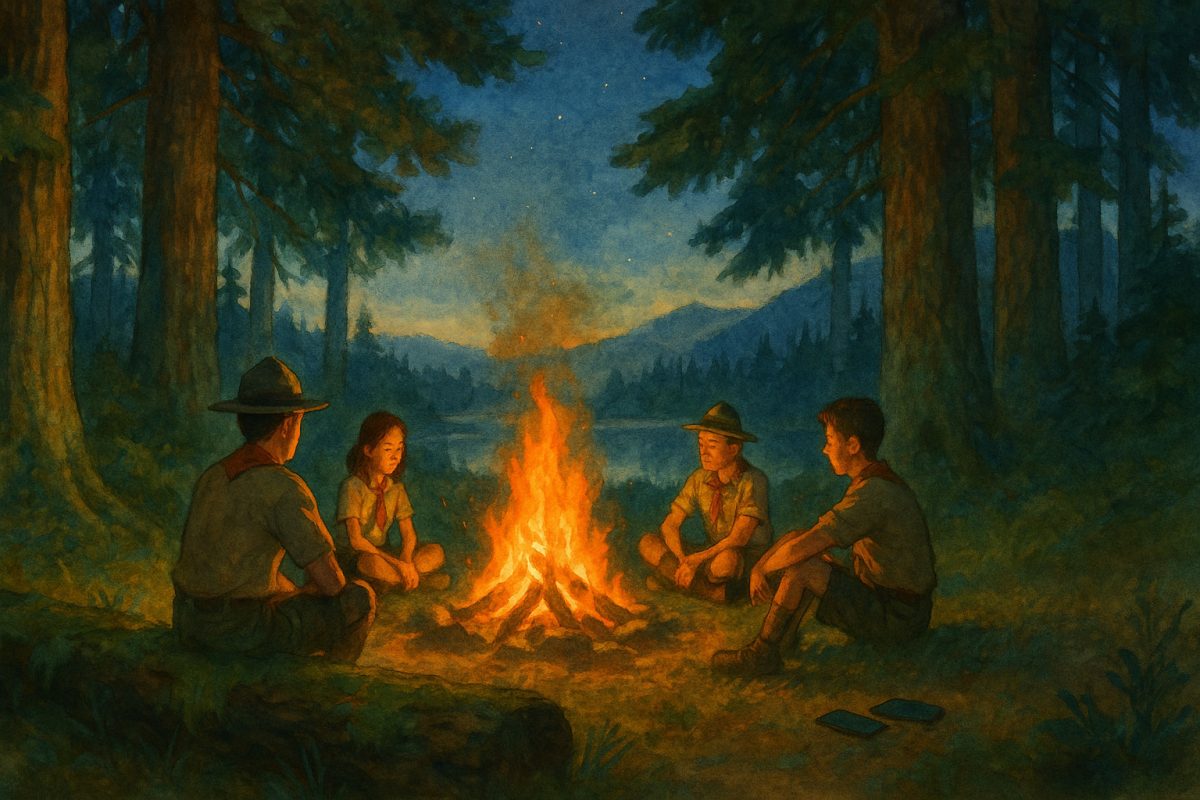
Spending time outdoors is a core part of Scouting. Scouts enjoy a genuine break from screens as they immerse themselves in fresh air, hands-on learning, and new challenges outdoors. Many families want to find a healthy balance between technology and the outdoors, and Scouting gives a proven way to build that balance into everyday life.
This article explains how Scouting activities help youth reconnect with nature, reduce screen time, and develop healthy habits that last. It includes practical ideas, proven benefits, and clear steps for making each outdoor adventure count.
Why Time in Nature Is More Important Now
Modern life is filled with screens. Studies show that higher screen time is linked to poorer mental health and a weaker connection to nature in children. Spending more time in green spaces has been shown to improve mental health and cognitive function, supporting overall wellbeing. Track your relationship with technology and nature by logging your screen time and outdoor activities for a week. Keep a record of when and how long you use devices, and note your outdoor activities. Tracking your habits can make it easier to spot areas for improvement. When you see your screen time and outdoor activities side by side, small changes become obvious.
The Science Behind Green Time and Screen Time
Research shows that spending time in nature supports mental wellbeing and healthy development. Research from the National Center for Biotechnology Information indicates that outdoor play can help mitigate the negative effects of excessive screen time, particularly in terms of communication and daily living skills. The Child Mind Institute reports that kids who play outside are happier, better at paying attention, and less anxious than kids who spend more time indoors.
Girls often spend less time outdoors than boys, despite similar screen usage. Scouting programs should encourage all youth to get involved outside. Outdoor play helps build physical strength, improves sleep quality, and fosters the development of essential problem-solving skills.
Understanding how outdoor play supports mental health can guide your decisions about balancing screen time and nature. The research below demonstrates a clear connection between time spent outside and improved wellbeing.
The talk explains how adventurous or risky play in green spaces supports children’s mental health by giving them safe ways to experience fear and develop coping skills. Research shows that children in the UK play about three hours a day, but the most adventurous play happens outdoors rather than at home. Declines in unsupervised and exploratory play, especially for girls and children with disabilities, may be linked to rising rates of anxiety, making play an important protective factor.
| Benefits of Green Time | Evidence from Studies |
|---|---|
| Improved mental health | Systematic review of 186 studies |
| Better communication skills | Cohort study on outdoor play |
| Stronger nature connection | Texas Children in Nature research |
| Reduced stress and anxiety | Kids Mental Health Foundation |
The evidence is clear: replacing even small amounts of recreational screen time with outdoor activities creates measurable improvements in mood, sleep, and social skills. For Scouts working toward Eagle rank, this research provides a strong foundation for understanding why outdoor activities and service projects are central to the program. Developing problem-solving, physical confidence, and emotional regulation in outdoor settings builds the leadership skills essential for progress.
How Scouting Activities Build a Connection to Nature
Scouting is built around outdoor experiences. From camping and hiking to service projects and nature observation, every activity presents an opportunity to make a connection with the natural world. These outdoor moments offer more than a way to fill a schedule. They build real habits and values that shape how Scouts see themselves and care for their environment.
The official Scouting America outdoor program emphasizes that in the outdoors, Scouts have opportunities to acquire skills that make them more self-reliant. They can explore canoe and hiking trails, complete challenges, and develop practical abilities that serve them throughout life. Scouting skills go beyond tying knots or starting a fire. Scouts also gain an understanding of natural systems and their place within them.
Every camping trip becomes a classroom where Scouts learn to read weather patterns, identify animal tracks, and notice seasonal changes. A simple hike transforms into lessons about ecosystems, conservation, and personal resilience. These experiences create what researchers call nature connectedness: a bond that links our sense of wellbeing with our awareness and care for the environment.
Key Features of Effective Nature Activities
The most impactful Scouting activities share several characteristics that deepen the nature connection:
- Hands-on exploration like plant identification, animal tracking, or water quality testing
- Group challenges and teamwork outdoors require cooperation and problem-solving
- Reflection and journaling about nature experiences to process what was learned
- Service projects that directly help the environment and local ecosystems
These elements work together to create meaningful experiences. When a Scout identifies bird calls during a campout, they gain more than memorized facts. They build observation skills and connect more deeply with their local environment. When patrols work together to make trail markers or clean up a waterway, they’re taking ownership of natural spaces and understanding their role as stewards.
After outdoor activities, make a habit of asking yourself questions like, “What did I notice that I’ve never seen before?” and “What did I learn this time?” Taking a moment to reflect helps turn outdoor time into real learning.
The reflection component is particularly important. Research shows that Scouting’s emphasis on outdoor adventure, through activities such as hiking, camping, and team-building exercises, allows kids to unplug from digital distractions and engage with their environment in ways that support mental health and personal development.
Using Tools to Measure Nature Connection
Scouting leaders and parents can utilize practical tools to assess how activities are fostering a connection to the natural world. The Practitioner Guide to Assessing Connection to Nature catalogs 11 different assessment tools that help track growth and plan better programs. This ensures every outing has a real impact and helps leaders understand which activities resonate most with their Scouts.
Two of the most useful tools for Scouting programs are the Environmental Action Scale (ENACT) and the Nature Connection Index. ENACT measures both emotional connection to nature and pro-environmental behaviors, making it perfect for tracking how camping trips and service projects influence Scout attitudes. The Nature Connection Index focuses on psychological connectedness and can be used with both youth and adults to identify changes over time.
| Tool Name | What It Measures | How to Use in Scouting |
|---|---|---|
| ENACT | Nature connection and environmental behaviors | Pre- and post-activity surveys to track attitude changes |
| Nature Connection Index | Emotional and cognitive connection to nature | Group discussions and individual reflection exercises |
| Love and Care for Nature Scale | Feelings of care and responsibility for nature | Service project planning and follow-up assessments |
Using these assessment tools doesn’t require complex surveys or formal testing. Leaders can incorporate simple questions into patrol meetings or campfire discussions to encourage open dialogue. “How did today’s hike change how you think about this forest?” or “What made you feel most connected to nature during our service project?” These conversations help Scouts process their experiences and give leaders insight into program effectiveness.
The goal is to create intentional opportunities for Scouts to engage with nature in ways that build a lasting connection, rather than making every outdoor activity a formal lesson. When Scouts recognize that their actions influence the environment and that the environment also shapes their lives, they develop stewardship that benefits communities for generations.
Tips for Reducing Screen Time Through Scouting
Making the shift from screens to green time is easier with a plan in place. The key is creating specific systems that make outdoor time more appealing than screen time, rather than simply restricting devices. Research shows that structured outdoor activities are more effective at reducing screen time than blanket restrictions alone.
Set specific outdoor goals each week that provide you with a concrete target to work toward. Instead of vague plans like “spend more time outside,” track measurable targets like three hours of hiking, identifying five new bird species, or completing one outdoor skill practice session. Write these goals down and check them off as you complete them. This creates the same satisfaction loop that makes apps addictive, but channels it toward outdoor activities.
Plan regular screen-free Scouting meetings or outings by designating specific times when devices stay in the car or at home. Start with shorter periods, such as two-hour hikes, and then gradually extend to full-day adventures or overnight camping trips. Scouting America’s outdoor programs provide structured frameworks for these screen-free experiences, from basic camping to high-adventure activities.
Planning a successful screen-free weekend requires careful preparation to ensure everyone stays engaged without their usual digital entertainment. The video below guides you through the essential steps for organizing outdoor adventures that keep Scouts engaged and excited about the natural world.
The video walks beginners through the essentials of an overnight camping trip, covering planning, campsite setup, campfires, and cooking. It explains how to prepare by checking campground rules, facilities, weather, and packing needs. Viewers learn how to pitch a tent, build a fire, and cook classic foods like hot dogs and s’mores, along with easy breakfast options. It closes with tips on drying gear, cleaning up, and leaving no trace.
Encourage nature-based badges and rank requirements that naturally pull Scouts away from screens. Merit badges like Environmental Science, Forestry, and Astronomy require extended outdoor observation and hands-on activities. The Camping merit badge alone requires 20 nights of camping, creating multiple opportunities for screen-free experiences. ScoutSmarts’ camping merit badge guide breaks down these requirements with practical tips to help you succeed.
Involve the whole family in outdoor adventures to create accountability and shared experiences. When parents participate in hiking, camping, or service projects, it becomes harder for anyone to default to screen time. Family involvement also models the behavior you want to see and creates positive associations with outdoor activities.
Sometimes, digital skills and outdoor activities can work together. For example, use a camera for nature photography, then talk about the experience as a group. Use a camera for your nature photography projects, then spend time reviewing and discussing the images without the use of devices. Map out hiking routes using GPS apps, then put the phone away and navigate using the printed map and compass. This transition method works particularly well for tech-oriented Scouts who might otherwise be resistant to outdoor activities.
To really improve at any goal, pay close attention to which actions work and which ones don’t. If your goal is to reduce screen time through Scouting activities, track what works for you. Maybe two-hour hikes don’t compete with gaming, but full-day camping trips do. While solo activities can sometimes feel less engaging, group challenges often create excitement that makes you forget about your devices. Adjust your approach based on what produces the desired results.
| Strategy | Time Commitment | Best For | Screen Time Reduction |
|---|---|---|---|
| Weekly outdoor goals | 3-5 hours per week | Building consistent habits | Moderate, gradual improvement |
| Screen-free meetings | 2-4 hours per session | Group activities and skills | High during meeting times |
| Merit badge work | 10-20 hours total | Long-term engagement | High, sustained over months |
| Family adventures | Full days or weekends | Creating lasting memories | Complete during activities |
Moving from lots of screen time to more outdoor activities takes patience. Start with outdoor activities that sound fun and exciting. A Scout who loves technology might enjoy using trail apps to plan routes, then gradually spend more time hiking without devices. The goal is to establish positive associations with outdoor time that eventually supersede the appeal of screens.
Lasting Benefits for Scouts and Families
The positive effects of reconnecting with nature through Scouting extend beyond simply reducing device time. Studies show that increased connection to nature leads to more conservation behaviors, stronger mental health, and habits that last into adulthood. Even one month after participating in a nature-focused activity, individuals are more likely to make environmentally beneficial choices.
Research from Yale’s Center for Business and the Environment demonstrates that diverse and growing evidence suggests that exposure to nature can benefit the physical and mental health of children and adolescents. For Scouts specifically, this translates into measurable improvements in attention span, stress management, and overall mood regulation that extend well beyond their time outdoors.
One of the most significant benefits is the development of what researchers call “pro-environmental behaviors,” which go beyond immediate relief from screens.“ Weekly visits to nature areas promoted both wellbeing and nature conservation behaviors, creating a positive feedback loop where Scouts who spend more time outdoors become more invested in protecting those spaces.
Building Habits That Stick
The National Wildlife Federation reports that children who regularly engage with nature exhibit improved sleep quality, enhanced moods, and better overall health. What makes Scouting particularly effective is its structured approach to outdoor experiences. Rather than occasional family hikes, Scouts participate in regular, progressive outdoor activities that build competence and confidence over time.
The key to lasting change is what psychologists call “habit stacking”: linking new behaviors to your current routines. When a Scout earns their Camping merit badge, they’re gaining hands-on experience in outdoor living, decision-making, and self-reliance. They’re developing a systematic approach to outdoor problem-solving that becomes second nature. This competence creates positive associations with nature that persist into adulthood.
Recent research shows that the benefits compound over time. Children who spend increasing amounts of time engaging in screen-based activities and less time outdoors show measurable differences in attention and mood regulation. Scouting provides the structured alternative that reverses this trend.
Measuring Real Progress
Effective Scouting programs are intentional about fostering a connection to nature and use measurable outcomes to track that growth. The most successful troops conduct simple before-and-after assessments of their Scouts’ outdoor confidence and environmental awareness. This might involve asking Scouts to rate their comfort level with outdoor activities at the beginning of the year, then tracking changes over time.
Making a habit of conducting what could be called a “post-adventure audit” helps Scouts systematically turn experiences into wisdom. After a challenging campout, a Scout might ask themselves: “Did I handle the weather well? How could I have been more helpful to my patrol?” This structured reflection transforms passive outdoor time into active learning, building lasting skills and confidence.
The Nature Connection Handbook provides practical tools for measuring these changes, including simple surveys and group discussion frameworks that help leaders track their Scouts’ growing connection to the outdoors.
Gender Differences in Nature Engagement
Research consistently shows that both boys and girls benefit from increased nature connection; however, girls may require additional encouragement to participate in outdoor activities. Studies demonstrate that engaging with nature can significantly reduce symptoms of anxiety and depression across all demographics, but social pressures sometimes discourage girls from pursuing outdoor adventures.
Successful Scouting programs address this by highlighting female role models in outdoor leadership and ensuring activities appeal to diverse interests. When girls see other young women confidently leading backpacking trips or teaching wilderness skills, they’re more likely to engage fully in outdoor programming.
The most memorable outdoor experiences often involve overcoming challenges together. The campout, despite unexpected rain, and the patrol working together to stay dry, creates stronger bonds and more lasting memories than perfect weather conditions would have. This shared struggle, followed by success, builds the kind of confidence that translates into other areas of life.
Long-Term Environmental Impact
Perhaps the most significant lasting benefit is the development of conservation-minded thinking. Exposure to nature boosts mental health by reducing stress, enhancing mood, and improving cognitive function; it also fosters emotional connections to natural spaces that drive protective behaviors.
Scouts who camp, hike, and explore outdoors regularly develop what researchers call “place attachment”: a strong emotional bond with specific natural places. This attachment motivates them to make environmentally conscious choices throughout their lives, from career decisions to daily habits like recycling and energy conservation.
Many Eagle Scout projects focus on environmental conservation, reflecting this deep connection between outdoor Scouting experiences and long-term environmental stewardship. These projects reflect values developed through years of positive outdoor experiences and also serve as meaningful additions to a Scout’s resume.
Quick Takeaways
- Spending more time in nature can improve mental health and foster lasting habits that persist well into adulthood.
- Scouting activities are proven to reduce screen time and foster a love for the outdoors through structured, progressive experiences.
- Using reflection and measurement tools can make outdoor programs even more effective by turning experiences into wisdom.
- Both boys and girls benefit from nature connection, but girls may require additional encouragement to engage in outdoor activities fully.
- Nature connection leads to more conservation-minded actions and environmental stewardship throughout life.
The research is clear: Scouts who regularly engage with nature through structured outdoor activities develop stronger mental health, better environmental awareness, and more resilient life skills. These benefits compound over time, creating adults who are both more capable and more committed to protecting the natural world they learned to love through Scouting.
Frequently Asked Questions
What if my Scout prefers video games or screens to being outside?
Start with activities that bridge their current interests with outdoor experiences. Research shows that children who spend more time on screens often need gradual transitions to outdoor activities rather than sudden changes. Try geocaching, which combines GPS technology with treasure hunting, or nature photography challenges that let them use devices while exploring.
Invite friends to join outdoor activities whenever possible. Social connections make outdoor time more appealing than solo adventures. Plan short, engaging activities, such as building a fire or learning basic knots, rather than long hikes that might feel overwhelming. Celebrate each step forward rather than focusing on what they’re missing indoors.
The key is to help outdoor time feel like an appealing choice, creating positive associations with time spent outside. When Scouts discover they can have fun outside, they naturally start choosing it more often. Studies indicate that creating positive outdoor experiences early leads to lifelong preferences for nature-based activities.
How can leaders measure if Scouts are connecting with nature?
Use simple before-and-after conversations or quick surveys to track changes in attitudes and behaviors. Ask questions like “How comfortable do you feel spending time outside?” or “What’s your favorite outdoor activity?” before starting a program, then repeat the same questions after several outdoor meetings.
Watch for behavioral changes during activities. Scouts who are connecting with nature will start asking questions about plants, animals, or weather patterns. They’ll volunteer for outdoor tasks or suggest nature-based activities for future meetings. These observable changes often matter more than survey responses.
The Practitioner Guide to Assessing Connection to Nature offers structured tools for measuring nature connection, but simple group discussions can also be effective. Ask Scouts to share their favorite moments from outdoor activities or what they learned about local wildlife.
To master any skill or goal, be brutally honest about how your actions lead to real results. If Scouts aren’t showing increased nature connection, examine what inputs need to change. Perhaps activities would benefit from more hands-on exploration or less structured instruction time.
Are there ways to blend technology and nature in Scouting?
Absolutely! Digital tools can enhance outdoor experiences when used thoughtfully and effectively. Nature photography teaches observation skills while creating lasting memories of outdoor adventures. Apps like iNaturalist help Scouts identify plants and animals, turning every hike into a scientific discovery mission.
GPS and mapping activities combine technology skills with navigation training. Scouts can create digital maps of their favorite camping spots or use apps to track hiking distances and elevation changes. Research suggests that technology becomes beneficial when it serves outdoor exploration rather than replacing it.
Citizen science projects offer another excellent blend. Scouts can use smartphones to contribute data to real scientific studies about local wildlife, water quality, or weather patterns. These activities teach both technology skills and environmental awareness.
Balance remains crucial. Plan for plenty of screen-free outdoor time so Scouts can develop a sense of comfort and confidence in nature through direct experience. Technology can serve as a useful tool for outdoor learning, supporting rather than overshadowing hands-on experiences.
How can families support less screen time at home?
Create shared outdoor goals that the whole family works toward together. Plan weekly family hikes, camping trips, or backyard activities that everyone enjoys. Studies show that family participation makes outdoor activities more appealing to those who are reluctant to participate.
Establish device-free times during the week, such as during meals or for one hour after dinner. Use these times for outdoor activities like gardening, playing catch, or simply talking on the porch. Consistency matters more than duration when building new family habits.
Use Scouting events as anchors for family outdoor time. Plan camping trips around Scout activities or practice outdoor skills at home between meetings. When families view Scouting as part of a broader outdoor lifestyle rather than an isolated activity, Scouts are more likely to develop a connection with nature.
Make a habit of conducting a “post-action audit” after family outdoor activities by asking, “What did we enjoy most? How could we make this even better next time?” This reflection helps families systematically improve their outdoor experiences and build lasting preferences for nature-based activities.