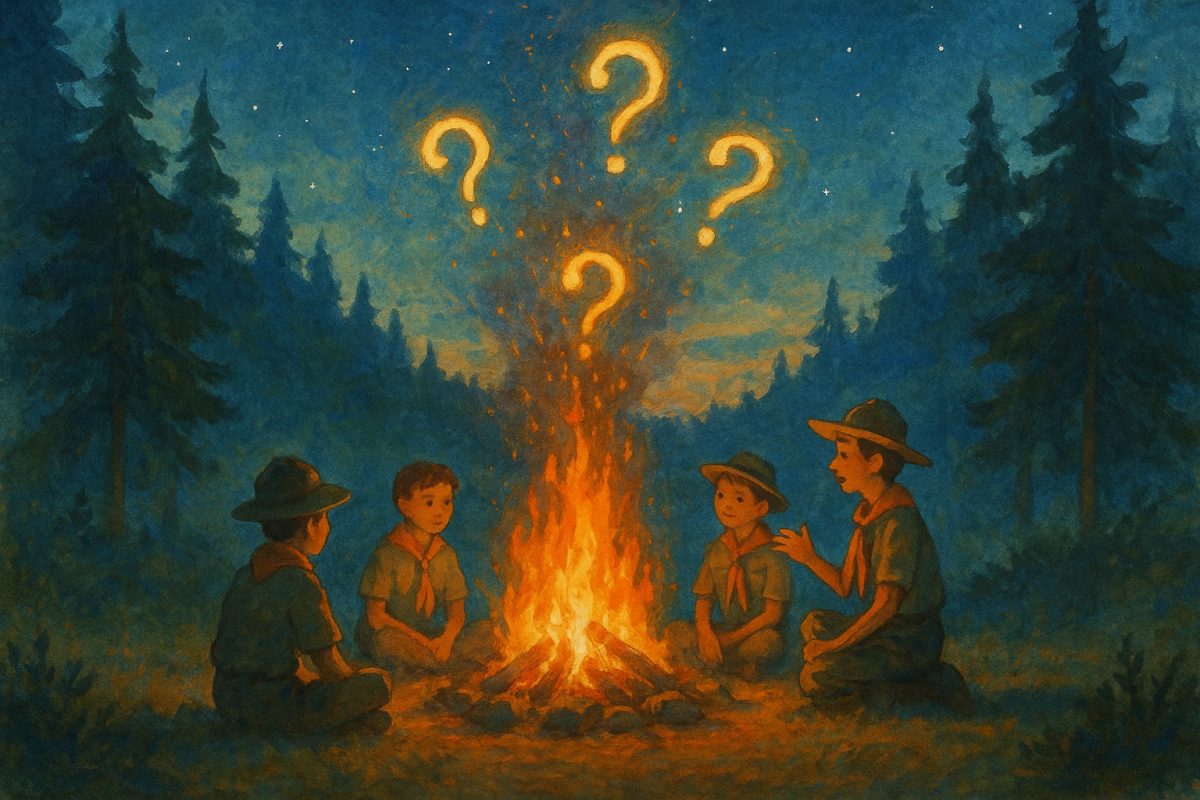
For this – please use AI with web search and make a list of 100 Scouting trivia questions at basic, intermediate, and advanced level.
Trivia games are a fantastic way to bring Scouts together, spark friendly competition, and reinforce what everyone has learned along their Scouting journey. Whether you’re a troop leader planning a meeting or a Scout looking to challenge your friends, well-crafted trivia questions can make learning about Scouting history, skills, and traditions both fun and memorable.
This guide will walk you through the best types of Scout trivia questions to test your troop’s knowledge. You’ll find tips on how to create your own questions, discover key topics to cover, and learn how trivia can help Scouts remember important lessons. Let’s dive in and see how you can make your next troop meeting more engaging with some thoughtful trivia!
Why Use Scout Trivia in Your Troop?
Scout trivia transforms ordinary troop meetings into dynamic learning experiences that stick with Scouts long after the meeting ends. When Scouts compete to answer questions about Scouting history, badge requirements, or outdoor skills, they’re actively retrieving information from memory, engaging with the material rather than just listening to a presentation.
This active recall strengthens their understanding of core Scouting principles in ways that traditional instruction often can’t match. A Scout who correctly answers “What does ‘Be Prepared’ mean?” during trivia will remember that definition far better than one who simply heard it explained during a meeting. The competitive element creates positive pressure that helps cement knowledge into long-term memory.
Trivia games naturally build teamwork and leadership skills through their collaborative structure. When Scouts work together to answer challenging questions, they practice communicating ideas clearly, listening to teammates, and making group decisions under time pressure. These are the same skills they’ll need as patrol leaders, senior patrol leaders, and in their future careers.
The format also creates natural opportunities for Scouts to share specialized knowledge they’ve gained through merit badges or personal interests. A Scout working on Astronomy Merit Badge might shine during questions about constellations, while another Scout’s camping experience helps the team answer questions about knot tying or fire safety.
Scout trivia builds confidence by giving every Scout a chance to contribute. Unlike some activities that favor physical skills or specific talents, trivia questions can be tailored to different knowledge levels and interests. A newer Scout might know the Scout Oath perfectly, while an experienced Scout tackles complex questions about Eagle Scout requirements or advanced outdoor skills.
The key is rotating who serves as quizmaster each week, giving every Scout practice with public speaking and question preparation. When a Scout researches and presents trivia questions to their troop, they’re developing presentation skills while reinforcing their own knowledge of Scouting topics. This approach keeps everyone invested in the activity rather than having the same few Scouts dominate every session.
Trivia games also encourage Scouts to pay closer attention during regular meetings and activities. When they know they might face questions about the previous week’s skill demonstration or guest speaker presentation, Scouts listen more actively and retain more information. This creates a positive feedback loop where better attention leads to better performance, which builds confidence and encourages continued engagement.
Key Categories for Scout Trivia Questions
To make your trivia sessions well-rounded, include questions from these main categories. Each category serves a specific purpose in reinforcing different aspects of Scouting knowledge and skills.
Scouting History and Traditions
Scouting history questions help Scouts understand the foundation of their movement and connect with the legacy they’re part of. Focus on key figures like Robert Baden-Powell, who founded the worldwide Scouting movement, and Daniel Carter Beard, one of the founding fathers of Scouting America. Include questions about important milestones, such as the first Scout camp at Brownsea Island in 1907 or the establishment of the Eagle Scout rank in 1911.
Don’t forget to include questions about symbolism that Scouts encounter daily. The fleur-de-lis on the Scout badge represents the north point of a compass, symbolizing the Scout’s ability to point others in the right direction. These historical connections make abstract symbols meaningful and memorable.
Scout Law, Oath, and Values
The Scout Law and Oath form the moral foundation of Scouting, making them perfect trivia material. Questions should cover the 12 points of the Scout Law (trustworthy, loyal, helpful, friendly, courteous, kind, obedient, cheerful, thrifty, brave, clean, and reverent) and the meaning behind each point.
Include questions about core Scouting mottos like “Be Prepared” and “Do Your Best.” These catchphrases represent fundamental approaches to life that Scouts should internalize. Ask Scouts to explain what being “morally straight” means or how they can demonstrate being “physically strong” in their daily lives.
Uniforms, Badges, and Ranks
Uniform and badge questions help Scouts understand the visual language of Scouting. Cover the meaning behind different uniform components, from the neckerchief (which represents the Scout’s bond with their troop) to the position of various patches. Include questions about rank advancement requirements and the symbolism behind rank badges.
Special recognition programs like the Order of the Arrow provide excellent trivia material. Ask about the organization’s purpose (Scouting’s national honor society), its symbol (the arrow), and its principles of cheerful service. These questions reinforce the value of service and leadership within Scouting.
Outdoor Skills and Safety
Knot tying questions are trivia classics because they combine practical skills with memorable names and uses. Ask which knot works best for specific situations: the bowline for rescue work, the clove hitch for starting lashings, or the sheet bend for joining two ropes of different sizes. This category reinforces the mechanical relationship between specific techniques and their practical applications.
First aid questions should focus on basic emergency response that every Scout should know. Cover topics like treating cuts, recognizing signs of heat exhaustion, or the proper response to a sprained ankle. While academic in nature, these questions could save lives in real situations.
Safety protocols deserve special attention in trivia games. Include questions about the Outdoor Code: “As an American, I will do my best to be clean in my outdoor manners, be careful with fire, be considerate in the outdoors, and be conservation-minded.” Each of these four principles (Clean, Careful, Considerate, Conservation-minded) represents a different aspect of responsible outdoor behavior.
Camp Life and Activities
Camp-related questions tap into shared experiences that create strong memories and group bonds. Ask about traditional camp activities, safety rules specific to different areas (waterfront, climbing, archery), and the purpose behind various camp traditions.
Summer camp provides rich material for trivia questions because most Scouts have attended at least one camp. Include questions about common camp games, the buddy system, and camp-specific safety protocols. These questions help Scouts process and retain important safety information in an engaging format.
To see how effective Scout trivia can bring a troop together while covering this variety of topics, watch this demonstration of virtual games that troops can adapt for their meetings.
.
In this video, Christine Kerwin shares tips for organizing virtual games with your troop during Zoom meetings. She demonstrates simple games like scavenger hunts, trivia, headbands, and Pictionary, emphasizing the importance of keeping energy high and engaging girls in leadership roles. The games require minimal preparation, are adaptable to virtual settings, and offer an interactive way for participants to bond and have fun.
| Category | Sample Question | Why It Matters |
|---|---|---|
| Scouting History | Who founded the Boy Scouts of America? | Connects Scouts to their heritage |
| Scout Law & Oath | Name the 12 points of the Scout Law | Reinforces core values and character |
| Uniforms & Badges | What does the First Class badge symbolize? | Builds understanding of advancement |
| Outdoor Skills | Which knot is best for tying two ropes together? | Reinforces practical survival skills |
| Camp Life | What is the Outdoor Code’s first “C”? | Promotes responsible outdoor behavior |
When selecting questions from these categories, balance difficulty levels to keep all Scouts engaged. Mix questions that newer Scouts can answer with challenges that will test even your most experienced troop members. This approach ensures that trivia sessions build confidence while still providing learning opportunities for everyone.
How to Create Effective Scout Trivia Questions
Writing your own trivia questions transforms a simple game into a powerful learning tool that builds knowledge while keeping Scouts engaged. The best trivia questions don’t just test memory; they spark curiosity and create connections between different areas of Scouting knowledge.
Start with clear, simple language that every Scout can understand. Avoid jargon or overly complex phrasing that might confuse younger participants. A question like “What does the fleur-de-lis symbolize in Scouting?” works better than “Explain the historical significance of the fleur-de-lis emblem within the context of international Scouting traditions.”
Mix different question formats to keep the game dynamic and accommodate different learning styles. Multiple choice questions work well for complex topics, true/false questions can quickly test basic knowledge, and open-ended questions encourage deeper thinking. For example, you might ask “True or False: The Scout Law has 12 points” followed by “Name three points of the Scout Law” and then “Which knot would you use to: A) Start a lashing, B) Join two ropes, C) Secure a rope to a post?”
Include questions for all experience levels within your troop. New Scouts should be able to answer some questions confidently, while more experienced Scouts face appropriate challenges. This approach keeps everyone engaged and prevents frustration. A good mix might include 40% beginner questions, 40% intermediate, and 20% advanced.
Reference official sources like the Scouts BSA Handbook and merit badge pamphlets to ensure accuracy. When writing questions about rank requirements or safety procedures, double-check your information against current official materials. Outdated or incorrect information can confuse Scouts and undermine their advancement progress.
Make sure all answers are verifiable and current. Scouting policies and procedures change over time, so review your questions regularly. Uniform requirements and merit badge prerequisites that were true five years ago may no longer apply today.
Include questions that relate directly to your troop’s unique traditions or recent activities. This personal touch makes trivia more engaging and helps Scouts feel connected to their specific troop experience. Ask about your recent summer camp adventures, troop traditions, or local community service projects. These questions create shared memories and reinforce the bonds that make your troop special.
True usefulness isn’t just about knowing facts; it’s about creating questions that promote Scout learning and growth. When you write trivia questions that connect Scouting knowledge to real situations, you’re providing genuine value to your fellow Scouts. A question about knot tying is more useful when it asks which knot to use in a specific camping scenario, rather than simply focusing on a definition.
| Tip | Example |
|---|---|
| Relate to real experiences | Ask about a recent campout or troop event |
| Encourage teamwork | Use group challenges or timed rounds |
| Vary difficulty | Mix easy, medium, and hard questions |
| Use visuals if possible | Show badge images or knot diagrams for ID questions |
Consider incorporating visual elements when possible. Show pictures of merit badge designs for identification questions, display knot diagrams, or use photos from recent troop activities. Visual questions break up the verbal format and appeal to Scouts who learn better through images.
Test your questions before the big game. Run them past other leaders or experienced Scouts to make sure they’re clear, fair, and appropriately challenging. Questions that seem obvious to you might stump others, while questions you think are challenging might be too easy. This feedback helps you calibrate difficulty and catch any unclear wording.
Remember that the goal is to reinforce learning in an enjoyable way, not to stump Scouts. The best trivia questions teach something new even when answered incorrectly, sparking discussions that deepen understanding of Scouting principles and skills.
Running a Successful Troop Trivia Game
A well-organized trivia game transforms learning into an active, collaborative experience that builds both knowledge and team spirit. The key to success lies in creating structure that keeps everyone engaged while maintaining fairness and momentum throughout the session.
Start by dividing Scouts into balanced teams of 4-6 members. Research from trivia hosting experts shows this size works best for collaboration without creating chaos. Mix experience levels within each team so newer Scouts can learn from veterans while contributing their own knowledge. Give each team a fun name related to Scouting—think “The Knot Masters” or “Compass Crusaders”—to build team identity from the start.
Establish clear rules before the first question. According to professional trivia hosts, setting ground rules upfront prevents confusion and arguments later. Ban cell phones for answers but allow them for special bonus rounds like photo identification. Set time limits for each question (typically 30-60 seconds) and make it clear that the host’s decision is final. Post these rules visibly so teams can reference them throughout the game.
Your scoring system should be simple but engaging. Award one point for regular questions and two points for bonus questions at the end of each round. Consider letting teams choose one round to “double down” on for extra strategy. This creates excitement and allows teams to play to their strengths—teams might be confident in outdoor skills and less sure about Scout history.
Rotate question topics throughout the game to maintain interest and give every Scout a chance to shine. Mix Scout skills, outdoor knowledge, troop traditions, and general Scouting history. A typical five-round structure might include: outdoor skills, Scout history, knots and camping, leadership and citizenship, and a final “confidence round” where teams rank their answers from most to least confident for weighted scoring.
To keep the energy high, celebrate correct answers enthusiastically and use incorrect responses as teaching moments. When a team gets a knot question wrong, briefly demonstrate the correct technique. This turns mistakes into learning opportunities rather than disappointments.
For a professional setup that enhances the experience, consider using presentation slides projected on a screen so everyone can see visual questions clearly. A simple microphone and speaker system ensures all Scouts hear questions properly, especially in larger meeting spaces. A basic setup costs around $150, making these tools an affordable option to transform the atmosphere.
The video below provides excellent guidance on organizing trivia nights with practical setup tips and example round structures that work well for Scout groups:
In this episode, Ryan Budds helps Jim Fields from Nebraska learn how to start a trivia night in his town. Ryan shares his journey from hosting trivia in Chicago to turning it into a full-time business in LA, emphasizing the importance of creating a fun and engaging environment. He offers tips on organizing trivia nights, selecting categories, and managing logistics, as well as advice on how to connect with venues, set up pricing, and handle equipment. Ryan also discusses the significance of branding, creating varied formats, and making trivia nights enjoyable for all participants.
Award recognition that motivates continued learning and celebrates achievements. Small prizes, such as Scout patches, camping gear, or the privilege of choosing the next meeting’s opening game, work well. Consider categories like “Best Team Spirit,” “Most Improved,” or “Best Scouting Knowledge” to recognize different strengths.
After each trivia session, create space for reflection by inviting Scouts to share one thing they learned or found surprising. This simple practice cements new knowledge and sparks curiosity about topics they want to explore further. The real value lies in identifying what Scouts want to learn next, rather than just getting answers right. When Scouts honestly assess what they know versus what they discovered during the game, they naturally focus on the specific skills and knowledge areas that need attention. This reflection turns trivia from entertainment into a learning system that builds genuine competence over time.
Quick Takeaways
- Scout trivia transforms learning from a solo activity into a shared adventure that builds knowledge, teamwork, and confidence all at once. When Scouts work together to recall the Scout Law or debate the proper technique for a bowline knot, they’re reinforcing the fundamental skills and values that make Scouting meaningful. Research shows that Scouts develop stronger academic skills and self-confidence through interactive activities that encourage collaboration and friendly competition.
- The most effective trivia sessions cover a balanced mix of Scouting history, practical skills, core values, and your troop’s unique traditions. This variety keeps everyone engaged while ensuring that newer Scouts learn alongside experienced ones. Questions about Baden-Powell’s first camp at Brownsea Island are valuable, just like challenges about identifying edible plants or reciting the Outdoor Code. Scouting America emphasizes that youth develop citizenship skills and ethics through activities that connect learning to real-world application.
- Using official resources ensures your questions are accurate and aligned with current Scouting standards. The Scouts BSA Handbook, merit badge pamphlets, and your council’s materials provide reliable content that reinforces what Scouts are already learning in their advancement work. Many troops maintain question banks covering first aid, knots, outdoor skills, and citizenship topics that directly support rank requirements.
- Mixing question formats and difficulty levels keeps trivia sessions dynamic and inclusive. Easy warm-up questions about Scout mottos allow everyone to participate, and more challenging scenarios about Leave No Trace principles or emergency procedures encourage advanced Scouts to think critically. Multiple choice questions work well for complex topics, while true-false questions can quickly cover a lot of ground during shorter meetings.
- The key to successful Scout trivia is making sessions interactive and reflective, with competition playing a secondary role. When Scouts discuss why certain answers are correct or share stories related to the questions, they’re building the kind of sustainable learning process that creates genuine understanding. This approach turns what could be a simple quiz into a meaningful way to strengthen both knowledge and patrol bonds while preparing for advancement opportunities.
Frequently Asked Questions About Scout Trivia
What are good sources for Scout trivia questions?
Official handbooks remain your best foundation for accurate Scout trivia content. The Guide to Advancement and current Scouts BSA Handbook contain verified information that aligns with advancement requirements. Merit badge pamphlets offer detailed content for specialized rounds, while the Troop Leader Resources section provides additional activity ideas.
Your troop’s history creates some of the most engaging questions. Past campouts, service projects, and troop traditions give Scouts a chance to connect with their unit’s legacy. Local council websites often include historical information about your area’s Scouting heritage that makes for memorable questions.
Reputable Scouting websites like ScoutSmarts and official Scouting America resources ensure accuracy. Avoid random internet sources that might contain outdated or incorrect information, especially regarding advancement requirements.
How often should I run trivia games with my troop?
Monthly trivia sessions work well for most troops without overwhelming the meeting schedule. This frequency allows you to cover different themes while keeping the activity fresh and anticipated. Many successful troops incorporate trivia at the end of campouts or during indoor meetings when weather limits outdoor activities.
The key is reading your troop’s energy and interest level. Some groups thrive on weekly quick-fire rounds, while others prefer longer monthly sessions with more elaborate themes. Advancement activities should enhance your regular program elements, not take their place.
Consider timing trivia around natural program breaks. Post-campout sessions help reinforce skills learned during the outing, while pre-meeting trivia can serve as an engaging opening activity that gets everyone focused.
Can trivia help with advancement?
Trivia reinforces advancement knowledge in ways that traditional instruction often misses. When Scouts answer questions about knot-tying techniques or Leave No Trace principles, they actively engage with the information rather than just receiving it. This process strengthens memory formation and helps knowledge stick long-term.
The connection between specific inputs and learning outputs becomes clear through trivia games. If a Scout struggles with First Aid questions, that signals a need for more hands-on practice with those skills. If patrol members consistently miss camping questions, it indicates where to focus future instruction.
Many advancement requirements involve demonstrating knowledge that trivia can help prepare Scouts for. Merit badge counselors often ask similar questions during conferences, so regular trivia practice builds confidence for those interactions.
What if some Scouts are shy or unsure?
Team-based formats help shy Scouts participate without feeling spotlighted. Patrol trivia allows quieter members to contribute ideas while more outgoing Scouts handle the verbal responses. This approach builds confidence gradually while maintaining engagement for all personality types.
Rotating roles within teams ensures everyone gets comfortable with different participation levels. One round might have shy Scouts writing answers while confident speakers present them. The next round switches roles, giving everyone practice with various aspects of the game.
Team building activities like trivia work best when they meet Scouts where they are. Some need time to warm up, others jump right in. Creating multiple ways to contribute ensures no one feels left out or pressured beyond their comfort zone.
How can I make trivia more fun?