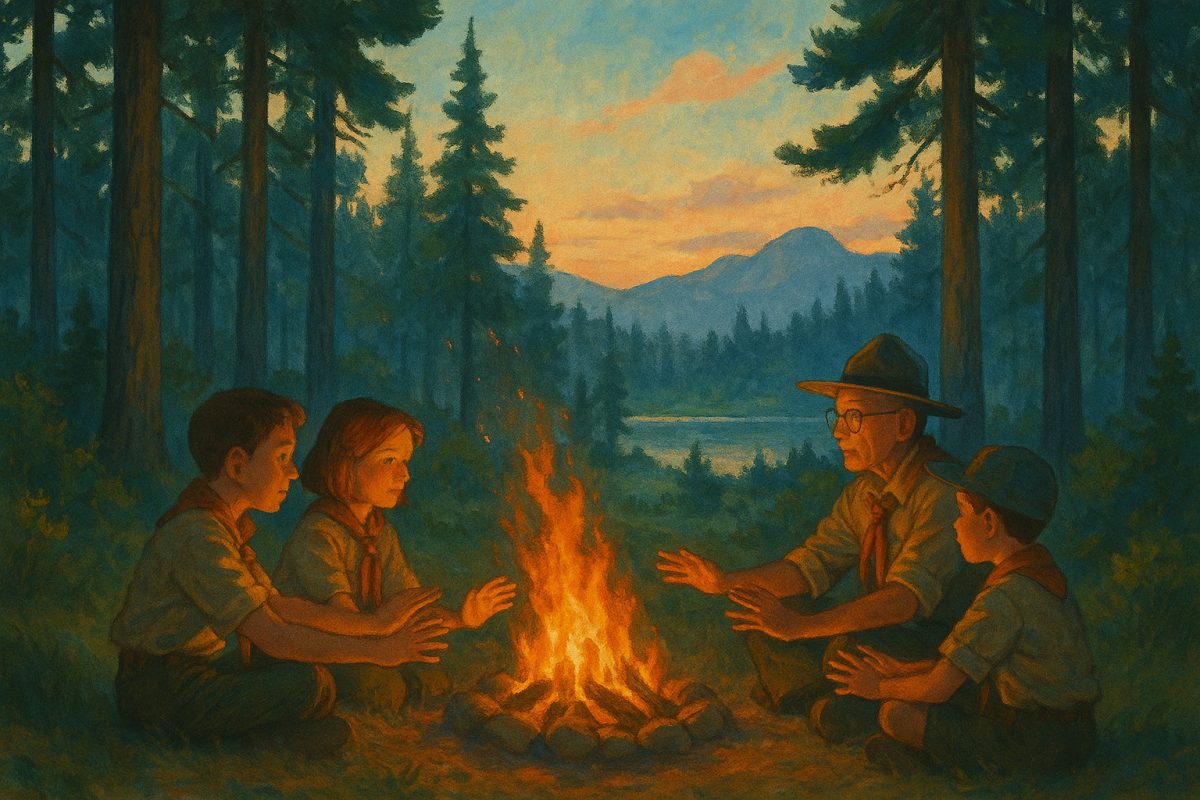
Building a campfire is one of the most rewarding skills you can master as a Scout. The warmth, light, and sense of community a campfire brings make it a highlight of any outdoor adventure. Knowing how to build the perfect campfire means you can stay safe, cook well, and leave nature as beautiful as you found it.
In this guide, you’ll learn how to choose the right spot, gather the best materials, and build a fire structure that lights easily and burns efficiently. You’ll also discover how to keep your campfire safe, follow Leave No Trace principles, and extinguish your fire completely. Let’s get started!
Choosing the Right Campfire Site
The foundation of campfire safety starts before you even strike a match. Your choice of location determines whether you’ll have a controlled, enjoyable fire or a dangerous situation that could spiral out of control. The difference between experienced Scouts and beginners often comes down to this critical first step.
Select a spot where fires are allowed and check local regulations and fire bans before you begin. Scouting America emphasizes that you should always verify federal and local regulations regarding fire restrictions. Many areas implement seasonal fire bans during dry conditions, and violating these restrictions can result in hefty fines and endanger entire ecosystems.
Use existing fire rings if available, as these designated spots have already been cleared and tested for safety. If no fire ring exists, clear a wide area of leaves, twigs, and debris. The official BSA guideline calls for a 10-foot diameter cleared area around your fire site to prevent flames from spreading to surrounding vegetation.
Keep your fire at least 15 feet from tents, trees, and overhanging branches. This distance provides a crucial safety buffer that accounts for wind shifts and flying sparks. Look up before committing to a spot. Low branches can catch fire from rising heat and sparks, even when they seem out of reach.
Make sure you have water and a shovel or sand bucket nearby for safety. These aren’t optional extras but essential fire suppression tools that should be within arm’s reach throughout your entire campfire experience. Position them where every Scout can access them quickly if needed.
Preparing the Ground
For ground fires, dig a shallow pit or trench and surround it with rocks if permitted. This setup helps keep your fire contained and protects the ground from lasting damage. The pit should be just deep enough to nestle your fire below ground level while still allowing proper airflow.
To master campfire safety, you need to be ruthlessly honest about the relationship between your site preparation (inputs) and fire control (outputs). Proper site preparation is what keeps a fire contained and prevents it from spreading.
The video below demonstrates the step-by-step process for choosing a safe campfire site and preparing the ground properly. These visual techniques will help you identify potential hazards and establish a secure fire base.
The Boy Scouts demonstrate both unsafe and proper campfire-building techniques during a wildfire awareness event. They emphasize clearing a 10-foot area of vegetation, avoiding overhanging branches, and keeping water and a shovel nearby. Fires should be small, contained within a rock ring, and never left unattended. To extinguish, use Smokey Bear’s “pour, stir, and feel” method to ensure all embers are cold.
Gathering and Sorting Your Materials
A successful campfire starts with the right materials, sorted by size. Before you even think about striking a match, you need to collect three distinct types of wood that work together like a team. Each type has a specific job, and missing any one of them will leave you frustrated and cold.
Start with tinder—dry, fluffy material like wood shavings, pine needles, or cotton balls that lights with a single match. Think of tinder as your fire’s foundation. It needs to be bone-dry and no thicker than a wooden match. Gather a handful for each fire you plan to make, because even the smallest amount of moisture will turn your tinder into a soggy disappointment.
Kindling comes next—small sticks ranging from spaghetti-thick to finger-wide, ideally split for faster ignition. This is your fire’s engine room. Kindling burns fast and hot, creating the heat needed to ignite your larger fuel wood. Split kindling catches fire much faster than round sticks because splitting exposes the dry interior and creates more surface area for flames to grab onto.
Fuelwood provides the lasting power—larger sticks and logs from wrist-thick to wider. Use only dead, dry wood gathered from a wide area to avoid damaging the environment. This is what keeps your fire burning long enough to cook dinner or warm your group during evening activities.
The secret to fire building success lies in preparation. Sort your wood into piles by thickness before you start building. This simple step makes the difference between a smooth fire-building experience and scrambling around in the dark looking for the right size stick while your flames die out.
| Wood Type | Thickness | Purpose |
|---|---|---|
| Tinder | Fluffy, pencil-thin | Easy ignition |
| Kindling | Spaghetti to thumb | Builds heat, catches flame |
| Fuelwood | Wrist and wider | Sustains fire, produces coals |
Always gather more kindling and tinder than you expect to use. Even Scouts who have built dozens of fires underestimate how much material is required to get a fire going, especially in damp conditions. The core truth of fire building is simple: if it fails, your inputs weren’t right. In most cases, that points to insufficient kindling or damp tinder.
When gathering materials, spread out your collection area. Take only a small amount from each area so the site still looks natural. Take a few pieces from here, a few from there, and leave the area looking natural. This practice follows Leave No Trace principles and ensures there’s material left for other campers and wildlife.
Look for wood that snaps cleanly when you break it. Wood that bends or feels spongy contains too much moisture and will create more smoke than flame. The best kindling often comes from the dead lower branches of evergreen trees, which stay dry even after rain because they’re protected by the canopy above.
Building the Campfire Structure
The structure you choose determines how your fire burns, how long it lasts, and what you can do with it. Each fire lay serves different purposes, and understanding when to use which structure will make you more effective around camp. Select a fire lay that matches the job you need to do.
There are several classic fire lays that every Scout should master. Choose one based on your needs and group size, keeping in mind that the right structure makes all the difference between a struggling fire and one that lights easily and burns steadily.
Log Cabin (Platform) Fire
The log cabin fire creates a steady cooking surface and works well for group gatherings. Start by stacking two wrist-thick logs parallel to each other, about three inches apart. Maintain a gap that allows air to flow while keeping the structure steady.
Lay two more logs across them at right angles, forming a square foundation. Continue stacking logs in alternating directions, building upward like you’re constructing a miniature cabin. Place your tinder and kindling bundle in the center hollow space, where it’s protected but still gets plenty of oxygen.
This structure creates a bright, steady flame and produces excellent coals for cooking. The crisscross pattern allows air to flow through multiple levels, feeding the fire from below while the flat top provides a stable platform for pots and pans. According to Scouter Life, this is the ideal council fire for a whole camp of Scouts because it burns evenly and lasts a long time.
Teepee (Cone) Fire
The teepee fire lights faster than any other structure and burns hot and bright. Place a small bundle of tinder in the center of your fire ring, then lean kindling around it to form a cone shape. Start with the smallest pieces closest to the tinder, gradually adding larger sticks as you build outward.
Leave gaps between the sticks to create a framework that lets air flow upward through the center. As your fire grows, you can add larger logs to the outside of the cone, always maintaining that upward-pointing structure.
Teepees light easily and burn hot, making them ideal for quick warmth or boiling water. The flames rise through the center, creating a hot, efficient burn that uses fuel quickly. This makes it perfect when you need heat fast but aren’t planning to cook or maintain the fire for hours.
Pyramid (Upside Down) Fire
The pyramid fire provides steady heat for a long time. Lay your largest logs at the bottom as a foundation, then stack progressively smaller logs and kindling on top, finishing with tinder at the very top. This creates a structure that looks like an upside-down teepee.
Light the fire from the top and let it burn downward. As the upper layers burn, they create hot coals that fall onto the larger logs below, gradually igniting them. This method produces long-lasting coals and requires less maintenance once established.
The pyramid fire excels when you need consistent heat over several hours, like for cooking multiple meals or keeping warm through an evening program. Cool of the Wild notes that this structure burns more efficiently because gravity helps distribute the burning material downward.
To see these techniques in action, watch this demonstration that shows proper airflow and ignition methods for each fire lay:
The video demonstrates three campfire types—log cabin, upside down (pyramid), and lean-to—explaining how to build each and when to use them. It emphasizes checking fire regulations, starting with a clean fire ring, and keeping water nearby. Each method’s structure is shown step-by-step, highlighting airflow, fuel placement, and burn characteristics. The video ends with a reminder to never leave a fire unattended and to fully extinguish it until ashes are cold.
| Fire Lay | Best For | Burn Time | Difficulty |
|---|---|---|---|
| Log Cabin | Cooking, group activities | Long, steady | Moderate |
| Teepee | Quick heat, boiling water | Hot, fast | Easy |
| Pyramid | Extended warmth, minimal maintenance | Very long | Moderate |
Remember that mastering fire building comes down to understanding the relationship between your specific actions and the results you get. If your fire won’t light, check the structure before adding more tinder. Is air flowing through properly? Are your materials dry? Is your kindling the right size? Change the inputs, and you’ll change the output.
Lighting and Maintaining Your Campfire
Once your fire structure is built, it’s time to bring it to life. Use matches or a lighter to ignite the tinder at the base of your structure. Start with the smallest, driest material you’ve gathered—this creates the initial flame that will spread to your kindling.
Gently blow or fan at the base of the flames to provide oxygen. Fire needs three things to survive: fuel, heat, and oxygen. Your breath supplies that crucial third element, helping the flames catch and grow stronger. Blow gently at the base to give the fire more oxygen without smothering it.
Add kindling gradually as the fire grows, then fuelwood once it’s established. This is where patience pays off. Rushing to add large pieces too early will smother your young fire. Wait until you have a solid bed of glowing coals before adding your bigger logs. The fire will tell you when it’s ready by burning consistently without your help.
Never leave your fire unattended. Assign a fire watcher if needed, especially during group activities. Wind can shift, sparks can fly, and conditions can change quickly. A responsible Scout always knows where their fire is and what it’s doing. More than good practice, it’s often required by fire regulations and Leave No Trace principles.
If you’re struggling to start your fire, try building a small windbreak with rocks or logs on the upwind side. This simple technique protects your flame and keeps your tinder burning longer, giving you more time to get the kindling established. Success with fire building depends on having dry materials, good airflow, and protection from wind.
Fire Safety and Leave No Trace
Have water, a shovel, or sand close at hand; responsible fire management depends on it. Water is your most reliable extinguishing tool, while a shovel helps you stir ashes and dirt can smother flames in an emergency. Having these tools within arm’s reach means you can respond immediately if something goes wrong.
Only burn wood that fits within your fire ring and never move firewood between locations. Moving firewood can spread invasive species that damage local ecosystems. Use only dead and downed wood that you can break by hand, and source it from the immediate area where you’re camping. This protects forests from harmful insects and diseases that hitchhike on transported wood.
When you’re finished, drown the fire with water, stir the ashes, and feel for heat. Repeat this process until everything is cool to the touch. Extinguishing your fire completely is the only way to prevent hidden embers from sparking wildfires.
Scatter cold ashes and restore the site to its natural appearance. Leave No Trace means leaving no sign that a fire was there. Remove any unburned wood, scatter the cold ashes over a wide area away from camp, and replace any rocks you moved back to their original positions. Future visitors should find the site in the same condition or better than when you arrived.
Quick Takeaways
- Before you strike that first match, these five essential points will keep you safe and successful. Each takeaway represents a critical step that separates experienced fire builders from those who struggle with weak flames and safety hazards.
- Always check fire regulations and use existing fire rings when possible. Fire restrictions change frequently based on weather conditions, drought levels, and seasonal risks. Smokey Bear’s fire safety guidelines recommend checking local regulations before every camping trip, as restrictions can be implemented with little notice during high-risk periods. Using established fire rings protects the surrounding environment and provides a safe, contained space that’s already been tested by previous campers.
- Gather and sort your wood by size before you start building. Tinder should be pencil-thin or smaller—think dry grass, birch bark, or wood shavings. Kindling ranges from pencil thickness to your thumb, while fuelwood should be thumb-sized up to your wrist. REI’s campfire guide emphasizes that having all three sizes ready prevents the frustration of watching your fire die while you scramble to find the right materials.
- Choose the right fire lay for your specific needs. The log cabin structure burns steadily and creates excellent coals for cooking, while the teepee design produces tall flames perfect for light and warmth. Positioned between the two, the pyramid lay offers both solid coals and respectable flame height. Match the design to your needs, from cooking and warmth to creating a welcoming glow.
- Keep safety tools within arm’s reach at all times. Water, a shovel, or sand should be positioned where you can grab them instantly if needed. This is standard practice to keep small problems from becoming serious. Many experienced campers keep a dedicated water container for fire safety, separate from their drinking water.
- Extinguish your fire completely and leave no trace. Leave No Trace principles require that you drown the fire with water, stir the ashes thoroughly, and repeat until everything feels cool to the touch. Cold ashes should be scattered once completely extinguished, and the fire ring should look undisturbed when you leave.
- To master fire building, focus on the specific inputs that create reliable outputs. If your fire will not light, it usually means you lack enough dry tinder, have poor airflow, or are rushing the process. Focus on changing your technique rather than simply increasing effort. Success comes from understanding the mechanical relationship between proper materials, correct structure, and patient execution.
Frequently Asked Questions
Q: What’s the best type of wood for a campfire?
Dry, dead hardwoods like oak, maple, or hickory are your best bet for a strong, long-lasting campfire. These dense woods burn hotter and longer than softwoods, producing steady heat with less smoke. According to the REI campfire guide, hardwoods can burn for hours once established, making them perfect for cooking and warmth.
Softwoods like pine, cedar, and fir work great for kindling because they catch fire quickly and produce bright flames. Start with softwoods to light your fire, then move to hardwoods to keep it burning steadily. Never use green or wet wood—it creates excessive smoke, burns poorly, and can be dangerous in enclosed areas.
Q: How do I know my fire is really out?
Your fire isn’t out until every ember is cold to the touch and there’s no heat, smoke, or glowing anywhere in the fire pit. The Smokey Bear Foundation recommends stirring the ashes completely with water, then stirring again until everything feels cool.
Here’s the proper extinguishing process: Pour water slowly over all embers and ashes, stir thoroughly with a shovel or stick, then pour more water. Keep stirring and adding water until you can hold your hand five inches above the ashes without feeling any heat. This process can take 10-15 minutes, but it’s the only way to ensure your fire won’t reignite.
Q: Can I build a campfire anywhere outdoors?
Fire regulations vary by location and season, and violating them can lead to hefty fines or worse. Always check with local authorities, park services, or forest rangers before lighting any fire. Many areas have seasonal fire bans during dry periods, and some locations prohibit fires entirely.
When fires are allowed, use established fire rings whenever possible rather than creating new fire scars. The National Park Service emphasizes that designated fire areas are specifically chosen for safety and environmental protection. If you must build in a new location, clear a 10-foot diameter area down to mineral soil and surround your fire with rocks.
| Fire Restriction Level | What’s Allowed | What’s Prohibited |
|---|---|---|
| No Restrictions | All fires in designated areas | Fires outside designated rings |
| Stage 1 Restrictions | Fires in developed campgrounds only | Dispersed camping fires, smoking while walking |
| Stage 2 Restrictions | Gas stoves and grills only | All wood fires, charcoal, smoking outdoors |
Q: What should I do if my fire won’t light?
The most common problem is insufficient tinder and kindling, or trying to jump straight to large pieces of wood. Start with materials no thicker than a pencil—dry grass, birch bark, or paper work well as tinder. Build up gradually through pencil-thick twigs, then thumb-thick kindling, before adding larger fuel wood.
Check your fire lay structure and airflow next. A teepee arrangement works best for getting fires started because it allows oxygen to reach the flames from multiple angles. If wind is interfering, create a windscreen with rocks or logs, but make sure air can still circulate. Never use gasoline, lighter fluid, or other accelerants. They are extremely dangerous and can cause flare-ups leading to serious burns.
If your wood seems dry but still won’t catch, try scraping or splitting pieces to expose fresh, dry interior wood. Wood that appears dry on the outside may still hold moisture that makes ignition difficult. The ScoutSmarts campfire guide recommends gathering three times more tinder and kindling than you expect to need.