Conservation volunteering gives Scouts opportunities to help the environment and strengthen their communities. Whether you’re interested in protecting wildlife, restoring habitats, or cleaning waterways, there are many ways to get involved and make a lasting difference. In this guide, you’ll learn how to find, plan, and participate in conservation projects as a Scout, along with tips to make the most of each effort.
Scouts of all ages and backgrounds can play a vital role in environmental stewardship. From hands-on cleanups to building wildlife habitats, your efforts support healthy ecosystems and inspire others to care for the natural world. Let’s explore the steps, opportunities, and resources that will help you volunteer for conservation projects with confidence and impact.
Why Conservation Volunteering Matters for Scouts
Conservation volunteering creates a powerful foundation for Scout development that extends far beyond earning merit badges. When Scouts work directly with their local environment, they develop leadership skills through real-world problem-solving and team coordination. Research from the National Environmental Education Foundation shows that youth-focused environmental volunteer programs build leadership skills, environmental literacy, and civic responsibility during critical developmental years.
The hands-on nature of conservation work strengthens connections between Scouts and their communities in ways that classroom learning cannot match. Planting native trees, monitoring water quality, or organizing cleanup events puts Scouts face-to-face with local environmental challenges and the people working to address them. This direct engagement builds relationships with park rangers, environmental scientists, and community leaders who become mentors and references for future opportunities.
Conservation projects align perfectly with rank advancement requirements and multiple merit badge opportunities. The Environmental Science merit badge requires Scouts to participate in a natural resource conservation project, while Forestry, Fish and Wildlife Management, and Soil and Water Conservation merit badges all benefit from hands-on volunteer experience. According to Scouting America’s Conservation and Environment program, Scouts have rendered distinguished public service by helping to conserve wildlife, energy, forests, soil, and water for generations.
The habits formed through conservation volunteering create lifelong environmental stewards. Studies from organizations like Texan by Nature demonstrate that direct childhood experiences in nature result in a lasting sense of stewardship and care for the environment. Scouts who participate in conservation projects develop an understanding of how individual actions impact larger systems, a perspective that serves them well in leadership roles throughout their lives.
Conservation work also contributes directly to community resilience and well-being. The OECD’s 2024 report on youth environmental engagement highlights how young volunteers strengthen local ecosystems while building social connections that make communities more adaptable to environmental challenges. When Scouts restore pollinator gardens or remove invasive species, they go beyond service hours, actively improving the health and sustainability of their neighborhoods.
Keep a simple field journal during each project. Recording what you did, who you met, and what you learned helps you track your progress and makes it easier to share your impact with others. This practice transforms scattered volunteer experiences into a coherent record of growth and contribution that proves invaluable during Eagle Scout boards of review and scholarship applications. The key is being ruthlessly honest about the relationship between your specific actions and the actual results you observe in the field.
Types of Conservation Projects Scouts Can Join
Conservation projects offer Scouts hands-on opportunities to make a real difference in their local environment while building practical skills. Projects may be short-term, like a weekend cleanup, or longer, like seasonal habitat restoration, allowing Scouts of all experience levels to participate. The key is finding projects that match your interests and schedule while supporting your advancement goals.
Habitat Restoration and Protection
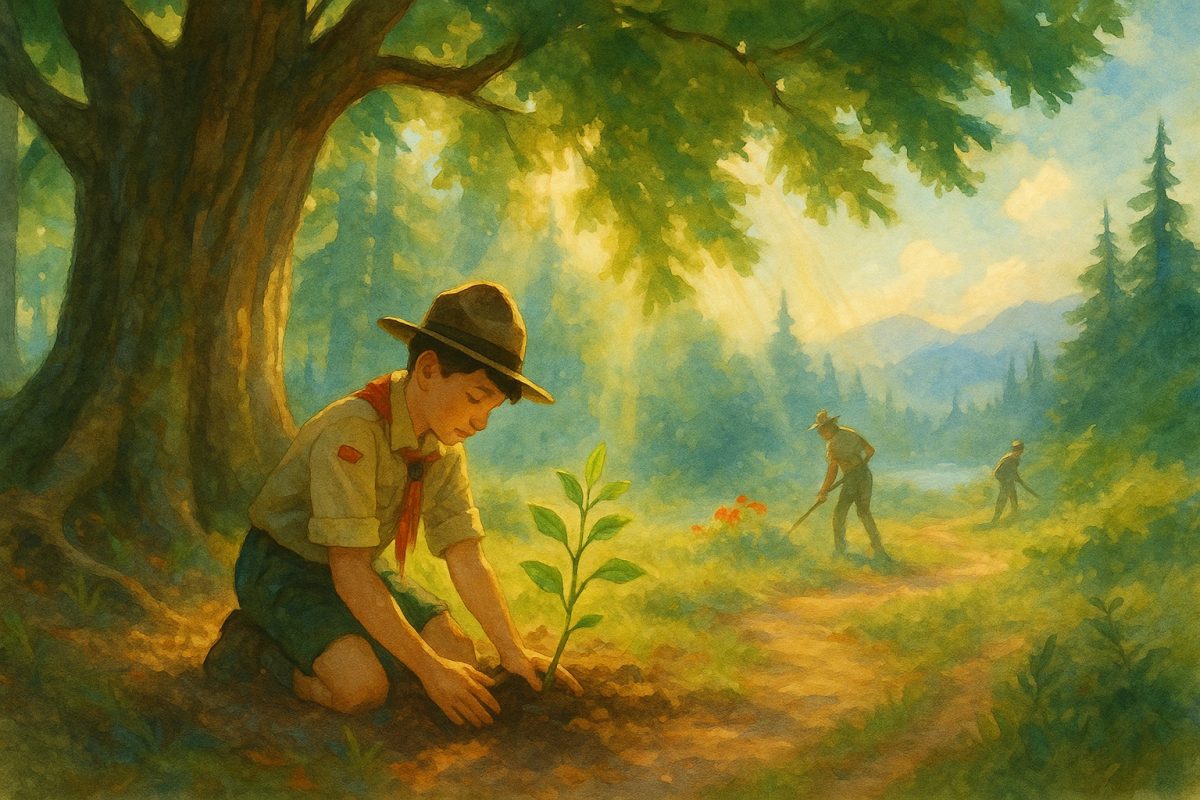
Habitat restoration projects focus on bringing damaged or degraded natural areas back to health. Scouts can plant native trees and shrubs that provide food and shelter for local wildlife, creating corridors that help animals move safely between different areas. Building and installing bird, bat, or squirrel nesting boxes teaches basic woodworking skills while directly supporting wildlife populations. These projects often connect to merit badge requirements like Environmental Science or Fish and Wildlife Management.
Pollinator gardens represent another high-impact habitat project. Restoring native plant communities that support bees, butterflies, and other pollinators helps maintain the natural systems that our food supply depends on. According to the Conservation Good Turn program, these projects can qualify for special recognition while fulfilling service hour requirements for advancement.
Cleanups and Environmental Monitoring
Environmental cleanup projects provide immediate, visible results that benefit entire communities. Joining or organizing cleanup events along rivers, lakes, or parks removes debris and may inform participants about local pollution sources. The Scouting for Clean Waterways Initiative connects local troops with established cleanup programs that provide equipment and safety training.
Monitoring projects teach Scouts to collect scientific data that helps researchers track environmental health. Water quality testing, biodiversity surveys, and invasive species mapping develop observation skills while contributing to real conservation research. Many state environmental agencies welcome Scout groups to participate in citizen science programs that feed data into larger conservation efforts.
Trail and Park Improvements
Trail development and maintenance projects combine physical work with planning skills that directly support outdoor recreation. Building new nature trails or maintaining existing paths teaches proper construction techniques while creating access for other outdoor enthusiasts. These projects often involve installing erosion controls, building bridges over sensitive areas, and creating sustainable drainage systems.
Forestry management activities like selective thinning or pruning help maintain healthy woodlands. Working with professional foresters teaches Scouts to identify tree species, understand forest ecology, and use specialized tools safely. The Philmont Scout Ranch conservation program offers excellent examples of how Scouts can contribute to large-scale forest management efforts.
Education and Community Action
Educational conservation projects help Scouts develop communication skills while spreading environmental awareness. Leading outdoor ethics presentations or organizing Leave No Trace workshops builds confidence in public speaking while teaching others important conservation principles. These projects often fulfill leadership requirements for Star, Life, and Eagle Scout ranks.
Community health education projects connect environmental and public health concerns. Supporting education programs on rodent control, disease prevention, or water safety helps Scouts see how environmental factors shape human communities. Participating in wildlife counts or citizen science events teaches data collection methods while contributing to scientific research.
Conservation projects work best when Scouts understand both the immediate tasks and the bigger picture of environmental stewardship. This video shows how different types of conservation work come together in real restoration efforts.
| Project Type | Example Activities | Skills Developed |
|---|---|---|
| Habitat Restoration | Tree planting, pollinator gardens | Plant identification, teamwork |
| Cleanups | Waterway trash removal, invasive species | Environmental awareness, safety |
| Trail Improvements | Building/maintaining trails, erosion control | Tool use, planning, leadership |
| Education & Outreach | Wildlife counts, public education | Communication, data collection |
Successful conservation projects require honest assessment of what specific actions produce the desired environmental outcomes. When wildlife hasn’t returned after six months, consider new inputs such as different plant species, improved water sources, or better shelter. This cause-and-effect thinking helps Scouts turn good intentions into measurable environmental improvement.
The National Environmental Education Foundation emphasizes that effective conservation projects combine immediate stewardship activities with educational components that build long-term environmental awareness. This dual approach helps Scouts understand both the technical skills needed for conservation work and the broader systems thinking required for environmental leadership.
How to Find and Apply for Conservation Volunteer Opportunities
Finding meaningful conservation work as a Scout starts with knowing where to look and how to present yourself professionally. The best opportunities often come from building relationships with local coordinators who can match your group’s skills with projects that need your help.
Local and National Programs
Your Scout council and troop leaders maintain connections with ongoing conservation projects in your area. Many councils partner with local environmental organizations and can point you toward established programs that welcome Scout participation. The Conservation Good Turn Award program through Scouting America provides a structured way to connect with these opportunities.
National initiatives like Scouting for Clean Waterways offer proven frameworks that your troop can join or adapt for local conditions. These programs come with established safety protocols, training materials, and clear project guidelines that make participation straightforward for both new and experienced Scout groups.
Established conservation organizations actively seek Scout volunteers because they understand the value of organized, motivated youth groups. The Nature Conservancy coordinates volunteer opportunities ranging from habitat restoration to invasive species removal across their preserves nationwide. Local parks departments, wildlife refuges, and environmental nonprofits maintain similar volunteer programs designed to accommodate group participation.
Partner Organizations and Community Groups
National parks offer some of the most impactful conservation volunteer opportunities available to Scout groups. Organizations like the Yosemite Conservancy and partnerships with groups like the Sierra Club provide access to large-scale restoration projects where your troop can make a measurable difference. These partnerships often include expert training and mentorship that builds real conservation skills while completing meaningful work.
City and county environmental departments manage local conservation needs that perfectly match Scout group capabilities. Many municipalities coordinate volunteer days for stream cleanups, tree planting initiatives, and invasive species management in public spaces. These local partnerships often lead to ongoing relationships where your troop becomes a regular contributor to community environmental health.
School and community science clubs frequently organize citizen science projects that need additional volunteers for data collection and field work. These collaborations expose Scouts to scientific methodology while contributing to research that informs local conservation decisions. Many of these projects align directly with environmental science merit badge requirements.
Application Tips
Most conservation projects welcome both individual Scouts and full troop participation, but group applications often receive priority because organizations value the built-in leadership structure and safety protocols that come with organized Scout groups. When applying as a troop, emphasize your group’s experience with outdoor activities and your commitment to following safety guidelines.
Training requirements vary by project type, but most organizations provide necessary instruction as part of the volunteer experience. Projects involving specialized tools or techniques typically include hands-on training sessions that teach proper methods while ensuring volunteer safety. This training often becomes valuable knowledge that Scouts can apply to future conservation work.
Advance planning improves your chances of securing spots in popular programs. Many conservation organizations operate on seasonal schedules, with spring and fall offering the most project opportunities. Some programs have age requirements or group size limits, so confirming these details early prevents disappointment and allows time to find alternative opportunities.
Reach out directly to project leaders or coordinators with a brief, professional introduction that highlights your Scout group’s interest in conservation work. A short, friendly email introducing yourself and your Scout group often leads to more personalized opportunities and helps you stand out from generic volunteer applications. Include your troop number, approximate group size, and any relevant experience with outdoor projects or environmental work.
| Organization Type | Best Contact Method | Typical Requirements |
|---|---|---|
| National Parks | Volunteer coordinator email | Group registration, safety briefing |
| Local Parks Dept | Direct phone call | Advance sign-up, age minimums |
| Conservation Nonprofits | Online application form | Training session, liability waivers |
| Environmental Groups | Project leader introduction | Skill assessment, equipment provided |
Successful applications reflect genuine interest in conservation work, not a simple desire to log service hours. Mention specific aspects of the organization’s mission that align with your troop’s values and explain how the experience will benefit your Scouts’ development as environmental stewards. This approach shows respect for the organization’s work and increases the likelihood of building lasting partnerships for future projects.
Planning and Leading Your Own Conservation Project
Leading your own conservation project represents one of the most rewarding ways to develop real leadership skills while making a tangible difference in your community. A successful project starts with clear planning, defined roles, and measurable outcomes. This approach transforms what could be a chaotic volunteer event into a structured learning experience that builds the kind of leadership skills Eagle Scouts are known for.
The foundation of any successful conservation project starts with identifying a genuine need in your local area. Walk through your neighborhood, visit local parks, or talk with environmental organizations to spot problems that actually need solving. Stream cleanups work well because the impact is immediately visible, but don’t overlook smaller opportunities like creating pollinator gardens or removing invasive species from hiking trails. The best projects address problems you can see, measure, and fix within a realistic timeframe.
Once you’ve identified your conservation focus, set specific, measurable goals that go beyond “help the environment.” Instead of planning a general cleanup, aim to “remove 500 pounds of debris from Miller Creek” or “plant 50 native wildflowers in the school courtyard.” These concrete targets help you plan logistics, recruit the right number of volunteers, and measure your actual impact when the project wraps up.
Recruiting volunteers requires more strategy than posting on social media and hoping people show up. Start with your troop members, then expand to other Scout units, school clubs, and community groups. When reaching out, explain exactly what volunteers will do, how long they’ll work, and what impact they’ll create. People commit more readily when they understand their specific role and can visualize the end result.
Coordinating with local experts or established organizations can transform a good project into an exceptional one. Contact your city’s parks department, local environmental nonprofits, or university extension offices for guidance on best practices and safety protocols. These partnerships often provide tools, expertise, and credibility that make your project more effective and help you avoid common mistakes that could waste time or cause environmental damage.
Safety planning deserves the same attention you’d give to any high-adventure activity. Create a detailed risk assessment that covers everything from tool usage to weather conditions, and ensure every volunteer understands safety protocols before work begins. Assign specific safety roles to experienced Scouts or adults, and establish clear procedures for handling injuries or emergencies. The Council Conservation Committee Guidebook provides excellent templates for safety planning and risk management.
Documentation transforms your project from a one-time event into a learning tool and inspiration for future conservation efforts. Document your work with before-and-after photos, track results like pounds of trash removed or area restored, and ask volunteers for feedback on successes and improvements. This documentation serves multiple purposes: it helps you reflect on your leadership growth, provides content for rank advancement discussions, and creates a blueprint other Scouts can follow.
The planning process itself teaches project management skills that extend far beyond conservation work. You’ll learn to break large goals into manageable tasks, coordinate multiple stakeholders, and adapt when unexpected challenges arise. These are the same skills successful Eagle Scouts use in college, careers, and community leadership roles throughout their lives.
To help you stay organized throughout the planning process, use this comprehensive checklist that covers all essential elements:
| Step | Details/Questions to Consider | Timeline |
|---|---|---|
| Define the need | What specific problem are you addressing? How will you measure success? | 6-8 weeks before |
| Set goals | What quantifiable outcomes do you want to achieve? What’s realistic given your resources? | 5-6 weeks before |
| Gather resources | What tools, supplies, and permissions do you need? Who can provide them? | 4-5 weeks before |
| Organize volunteers | How many people do you need? What specific roles will they fill? | 3-4 weeks before |
| Ensure safety | What are the risks and how will you manage them? Who handles emergencies? | 2-3 weeks before |
| Track progress | How will you measure and document your impact during and after the project? | Throughout project |
The most effective project leaders know that success depends on changing specific inputs rather than simply working harder. If volunteers aren’t showing up, consider adjusting your recruitment message or timing instead of increasing flyer-posting efforts. If your cleanup isn’t removing as much debris as planned, improve your tools or work area organization before adding volunteer hours.
Watching experienced project leaders in action can accelerate your learning curve and help you avoid common pitfalls. The video below demonstrates practical techniques for organizing volunteers, managing logistics, and maintaining safety during environmental projects.
The video explains how Cub Scouts, Scouts BSA, Venturers, and Sea Scouts can earn the World Conservation Award. Requirements include completing specific merit badges such as Environmental Science or Sustainability, Soil and Water Conservation or Fish and Wildlife Management, and Citizenship in the World, along with a three-hour conservation service project. It encourages leaders to promote the award, tailor projects to age levels, and foster collaboration between different Scout units.
After completing your project, conduct a structured reflection process that transforms the experience into lasting wisdom. Ask yourself specific questions: “What leadership decisions worked well? What would I change about volunteer coordination? How effectively did I communicate with partners?” This post-action audit creates the feedback loop that turns a single conservation project into genuine leadership development.
The documentation and reflection process also supports your advancement toward Eagle Scout rank. Conservation projects often fulfill requirements for environmental merit badges and demonstrate the leadership skills evaluated during Eagle boards of review. More importantly, the project management and community partnership skills you develop become tools you’ll use in future leadership roles, whether in Scouting, school, or your eventual career.
Successful conservation project leaders also understand the importance of building lasting relationships with community partners. The organizations and land managers you work with on one project often become sources of future opportunities for your troop or other Scout units. Maintaining these connections creates a network of conservation opportunities that benefits Scouts for years to come.
Recognizing Your Impact and Growing as a Conservation Volunteer
Conservation volunteering can have benefits that last beyond the immediate project. When you participate in habitat restoration, trail maintenance, or environmental education, you’re building skills that directly translate to future career opportunities and leadership roles. Research shows that youth who engage in environmental volunteering develop critical thinking, project management, and public communication abilities that employers actively seek.
Many conservation projects align perfectly with Scouting advancement requirements. The Conservation Good Turn Award recognizes units that partner with environmental organizations on meaningful projects. Merit badges like Environmental Science, Forestry, Fish and Wildlife Management, and Soil and Water Conservation all benefit from hands-on volunteer experience. Your conservation work can support advancement opportunities and build practical skills.
Conservation volunteering can boost local economies, sometimes in ways you wouldn’t anticipate. According to research from environmental organizations, conservation volunteers contribute millions of hours annually to projects that would otherwise require paid staff. This volunteer labor allows organizations to allocate more resources toward equipment, education programs, and expanded conservation efforts. Your unpaid contribution Volunteer work allows organizations to put more resources into conservation programs.
The skills you develop through conservation volunteering translate directly to career paths in environmental science, park management, wildlife biology, and environmental education. Many Scouts discover their passion for these fields through volunteer work. You’re helping the environment while also exploring potential career directions and building a resume that shows real commitment and hands-on experience.
Sharing your conservation experiences creates lasting impact beyond the project itself. When you document your work through photos, journal entries, or presentations to your troop, you inspire others to get involved. Sharing conservation experiences can encourage environmental stewardship among other Scouts and in the wider community. Many successful conservation programs started because one Scout shared their positive volunteer experience with others.
After each project, write a short thank-you note to any partners or land managers you worked with. This simple gesture demonstrates professionalism and gratitude while keeping communication channels open. Showing appreciation and following through on commitments helps build trust and goodwill, which can lead to future opportunities. These relationships often result in invitations to more advanced projects, leadership roles, or even job opportunities down the road.
The long-term benefits of conservation volunteering extend into your adult life. Many Eagle Scouts report that their early conservation work influenced their college major choices, career paths, and continued community involvement. In completing a service project, you’re also developing an environmental ethic and leadership skills that will guide your decisions for decades.
| Benefit Category | Immediate Impact | Long-term Value |
|---|---|---|
| Advancement | Merit badge requirements, service hours | Eagle Scout project experience, leadership portfolio |
| Skills Development | Tool use, teamwork, problem-solving | Project management, environmental knowledge, career preparation |
| Community Impact | Habitat improvement, education outreach | Environmental stewardship culture, ongoing partnerships |
Documenting your conservation work helps you recognize patterns in your interests and strengths. Keep notes on which projects energize you most, the skills you want to develop, and the organizations you’d like to work with again. Reflecting in this way helps you make informed choices about future volunteer work and career paths. Many Scouts discover their calling through this kind of thoughtful self-assessment.
Conservation volunteering also builds your network within the environmental community. The land managers, biologists, and educators you work with become valuable contacts who can provide career advice, internship opportunities, or references for college applications. Professional relationships formed during conservation projects can benefit Scouts long after the project ends. Approach each volunteer experience as an opportunity to learn from experienced professionals while contributing meaningful work.