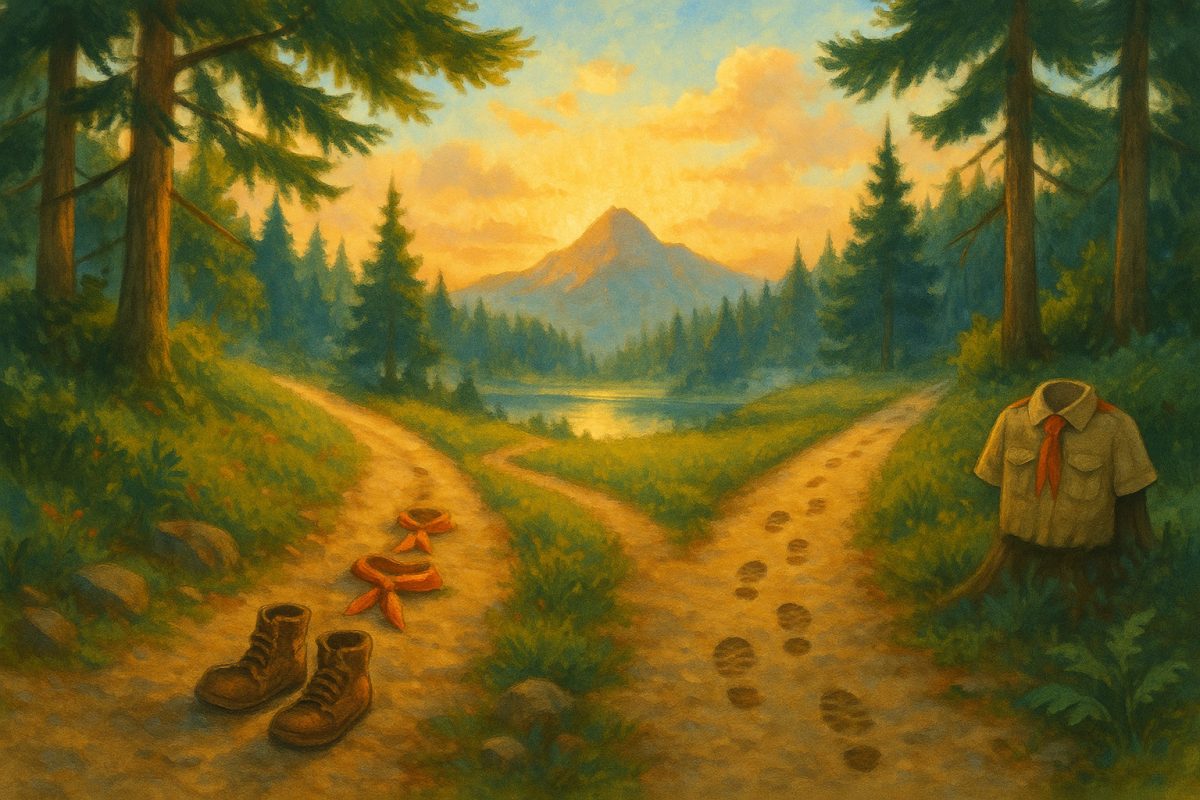
Leadership is a quality that can change lives, open doors, and inspire teams to achieve more than they thought possible. For young people looking to build these skills, two popular paths stand out: Scouting and the Reserve Officer Training Corps, or ROTC. Each program offers unique experiences, challenges, and rewards, shaping leaders in different ways. This article explores how Scouting and ROTC develop leadership, what sets them apart, and which might be the best fit for your goals.
Whether you are a Scout, a parent, or a student considering ROTC, understanding these programs can help you make a confident decision about your own leadership journey. We’ll break down the structure, training, and outcomes of both, giving you a clear picture of what to expect and how each program can help you grow as a leader.
What is Scouting and What is ROTC?
When you think about leadership development and your future, you might wonder how different programs shape young leaders. Two of the most well-known youth leadership programs in America are Scouting and ROTC, but they take completely different approaches to building capable leaders.
Scouting: An Overview
Scouting America (the organization still officially called the Boy Scouts of America) runs programs that build character, citizenship, and fitness through outdoor adventure, community service, and hands-on learning. It serves youth from kindergarten through age 20, with divisions like Cub Scouts, Scouts BSA, Venturing, and Sea Scouts.
Leadership in Scouting develops naturally through real-world experiences. Scouts take on roles like Patrol Leader, Senior Patrol Leader, or Quartermaster, where they learn to plan meetings, organize camping trips, and lead service projects. The leadership assessment happens through peer feedback, adult mentorship, and reflection on what worked (and what didn’t) during troop activities.
The Scouting method emphasizes teamwork, ethical decision-making, and leading by example. When a Scout leads a community service project or guides younger Scouts on a hiking trail, they’re practicing servant leadership: putting the needs of others first. This approach teaches Scouts that real leadership isn’t about giving orders; it’s about helping others succeed.
| Aspect | Scouting | ROTC |
|---|---|---|
| Primary Focus | Character development, outdoor skills, community service | Military leadership preparation, officer training |
| Leadership Style | Servant leadership, peer mentorship, leading by example | Military command structure, formal leadership hierarchy |
| Assessment Method | Informal feedback, self-reflection, peer evaluation | Formal evaluation, systematic grading, military standards |
| Time Commitment | Weekly meetings, monthly camping, flexible schedule | Daily classes, labs, field training exercises |
ROTC: An Overview
Reserve Officers’ Training Corps (ROTC) is a college-based program that prepares students to become commissioned officers in the U.S. military. Available at over 1,700 colleges and universities, ROTC combines military science classes with traditional college coursework. Students can participate in Army, Navy, Marine Corps, or Air Force ROTC programs.
ROTC follows a structured curriculum with clear expectations and formal evaluation systems. Cadets attend military science classes, participate in leadership labs, and complete field training exercises. Leadership roles are assigned and rotated systematically, giving each cadet experience in different positions within the military hierarchy.
ROTC programs use established leadership models, such as the Army Leadership Requirements Model, which emphasizes character, presence, and intellect. Cadets learn to make decisions under pressure, manage resources, and lead teams in challenging situations. The evaluation process is formal and systematic, with grades, fitness tests, and leadership assessments that directly impact a cadet’s future military career.
To better understand how these programs shape leaders differently, watching real examples can be helpful. The video below compares military leadership development paths and shows how structured programs like ROTC prepare future officers.
This video explains how ROTC cadets balance military training with college academics (2:45), highlighting the daily integration of leadership development with traditional education. The comparison helps illustrate why ROTC creates a more formal leadership environment compared to Scouting’s flexible, experience-based approach (3:30).
Both programs produce excellent leaders, but they do so through fundamentally different methods. Scouting emphasizes personal growth through trial and error, while ROTC provides structured training based on proven military leadership principles. Understanding these differences helps you choose the path that matches your goals and learning style.
How Leadership is Developed in Scouting
Leadership in Scouting isn’t learned from a textbook. It’s built through hands-on experience and real responsibility. Unlike traditional classroom settings where leadership concepts remain theoretical, Scouting puts young people directly into leadership roles where they must navigate real challenges with real consequences.
Key Elements of Scouting Leadership
The foundation of Scouting leadership development starts with specific roles that carry genuine responsibility. Scouts take on positions such as Patrol Leader, Senior Patrol Leader, and Quartermaster, each with distinct duties that affect their entire troop. A Patrol Leader is responsible for planning patrol meetings, ensuring their patrol members advance in rank, and leading them during camping trips and activities.
These leadership positions operate on a rotation system, meaning every Scout gets multiple opportunities to lead and follow. A Scout might serve as Quartermaster for six months, learning to manage equipment and supplies, then rotate to Assistant Senior Patrol Leader, where they support troop-wide operations. This rotation ensures that leadership development happens gradually, with each role building on previous experiences.
Leadership skills develop through planning meetings, organizing events, and leading activities where other Scouts depend on their decisions. When a Senior Patrol Leader plans a camping trip, they must coordinate with adult leaders, assign responsibilities to other youth leaders, and ensure the event runs smoothly. The stakes are real. If they don’t plan properly, their fellow Scouts might go hungry or sleep in leaky tents.
Service projects and outdoor adventures create natural environments for developing responsibility and initiative. When a Scout leads their patrol through building a trail or organizing a food drive, they learn to motivate others, solve unexpected problems, and take ownership of results. These experiences teach leadership lessons that stick because they’re earned through actual challenges, not simulated scenarios.
Mentorship from adult leaders and peer feedback create a supportive framework for growth. Adult leaders in Scouting use a “guide from the side” approach, allowing youth leaders to make decisions while providing guidance when needed. Peer feedback happens naturally when Scouts work together. If a Patrol Leader isn’t communicating effectively, their patrol members will let them know quickly and directly.
The Scouting Leadership Experience
Scouting emphasizes servant leadership and community impact as core principles. Youth leaders learn that their role exists to serve their patrol or troop, not to exercise power over others. This philosophy shapes how Scouts approach leadership challenges. They focus on helping their team succeed rather than showcasing their own authority.
In Scouting, mistakes are seen as part of the learning process. Leaders reflect on what worked and what to improve on. When a Scout’s first attempt at leading a meeting goes poorly, adult leaders help them analyze what happened and try different approaches next time. This creates an environment where Scouts can experiment with leadership styles and learn from real feedback without fear of permanent consequences.
Progression in Scouting leadership is self-paced, allowing for personal reflection and growth. Unlike rigid academic schedules, Scouts advance to new leadership roles when they’re ready and motivated to take on greater responsibility. Some Scouts might serve multiple terms in the same position to master specific skills, while others rotate frequently to gain broad experience.
Many Scouts discover that leading a service project teaches them more about real-world leadership than any classroom lesson ever could. When organizing an Eagle Scout project, Scouts must recruit volunteers, coordinate with community organizations, manage resources, and motivate people to work toward a common goal. These projects often involve leading adults, managing budgets, and navigating bureaucratic requirements, experiences that prepare them for leadership challenges they’ll face throughout their lives.
The combination of real responsibility, supportive mentorship, and learning from mistakes creates a leadership development system that produces confident, capable young adults. Scouts who complete this progression understand that effective leadership means serving others, taking responsibility for outcomes, and continuously learning from both successes and setbacks.
How Leadership is Developed in ROTC
ROTC takes a fundamentally different approach to building leaders compared to Scouting. The program operates on military precision, structured timelines, and formal evaluation systems that prepare cadets for potential military service. While Scouting emphasizes servant leadership and community impact, ROTC focuses on command presence, tactical decision-making, and readiness for high-stakes leadership situations.
ROTC’s Structured Approach
The backbone of ROTC leadership development lies in its rotating leadership system. Every cadet gets assigned specific leadership roles throughout their time in the program, ensuring they experience both leading and following. This isn’t optional or based on elections like many Scouting positions. It’s a systematic requirement that exposes cadets to different leadership challenges and responsibilities.
Training combines classroom learning with hands-on application through military science labs, field training exercises, and intensive summer camps. These aren’t casual outdoor adventures like Scout camping trips. ROTC field exercises simulate real military scenarios where cadets must make quick decisions under pressure, manage resources, and lead teams through complex missions. The summer camps, particularly the Advanced Camp that Army ROTC cadets attend, serve as intensive leadership laboratories where cadets are evaluated continuously over several weeks.
The evaluation system centers around formal leadership models, with the Army’s “Be, Know, Do” framework serving as the foundation. This framework breaks leadership into three core components: character (Be), competence (Know), and actions (Do). Cadets learn that effective leadership requires moral courage and integrity (Be), technical and tactical proficiency (Know), and the ability to influence others and accomplish missions (Do).
Assessment goes far beyond simple pass-fail grades. Cadets receive detailed feedback on 19 specific dimensions of leadership, including presence, intellect, leads, develops, and achieves. These evaluations come from multiple sources: instructors, peers, and subordinates. This creates a comprehensive picture of each cadet’s leadership capabilities and areas for improvement.
The ROTC Leadership Experience
ROTC leadership training deliberately places cadets in high-pressure, realistic scenarios that test their decision-making abilities. Unlike Scouting’s emphasis on learning from mistakes in a supportive environment, ROTC creates situations where poor leadership decisions have immediate, visible consequences for the entire team. This approach builds leaders who can perform under stress and make sound decisions when stakes are high.
The assessment process never stops. Cadets face continuous evaluation through peer reviews, instructor observations, and self-assessments that track their progress across multiple leadership competencies. This constant feedback loop means cadets can’t coast through the program. They must actively work to improve their leadership skills or risk being removed from the program.
Tactical proficiency forms a core component of ROTC leadership development. Cadets learn to plan and execute military operations, manage logistics, and coordinate with other units to accomplish complex missions. This tactical focus teaches leaders to think systematically, plan thoroughly, and execute decisively, skills that translate well to civilian leadership roles.
Team building in ROTC emphasizes unit cohesion and mission accomplishment. Cadets learn to build teams that can function effectively under stress, maintain discipline during difficult situations, and support each other through challenging training. The program teaches that effective leaders must balance mission requirements with care for their people, a principle that applies whether leading soldiers or civilian teams.
What makes ROTC leadership development particularly effective is how it combines formal instruction with immediate application. Cadets don’t just study leadership theory. They practice leading real people through real challenges with real consequences. This hands-on approach, combined with structured feedback and continuous assessment, creates leaders who understand both the science and art of leadership.
The program also emphasizes the importance of seeking feedback from multiple sources. Cadets who actively request input from both peers and instructors tend to improve faster than those who rely solely on formal evaluations. This mirrors a key principle that applies to all leadership development: effective leaders are those who consistently ask “Did I act well? How could I have acted better?” after each leadership experience. Making this post-action review a habit transforms experiences into wisdom and accelerates leadership growth.
Comparing Scouting and ROTC Leadership Development
Both Scouting and ROTC create leaders, but they do so in very different ways. Understanding these differences helps you appreciate what each program brings to the table and why some of the most effective leaders draw from both experiences.
The most obvious difference is structure. Scouting operates with flexible, informal leadership that adapts to each troop’s culture and the personalities involved. You might find yourself leading a service project one month and organizing a camping trip the next, with plenty of room to figure out your own style. ROTC, on the other hand, follows highly structured, formal protocols that mirror military command structures. Every leadership role has specific duties, clear chains of command, and established procedures.
Leadership roles in these programs reflect their different philosophies. In Scouting, positions like Senior Patrol Leader or Patrol Leader are typically elected by peers or appointed based on demonstrated commitment and character. You volunteer for these roles because you want to serve your troop. ROTC assigns leadership positions on a rotating basis, ensuring every cadet experiences both leading and following. This systematic approach guarantees exposure to leadership challenges, regardless of personal preference.
| Aspect | Scouting | ROTC |
|---|---|---|
| Structure | Informal, flexible | Highly structured, formal |
| Leadership Roles | Elected, volunteer-based | Assigned, rotated |
| Evaluation | Peer/adult feedback | Formal, multi-dimensional |
| Focus | Community, service, outdoors | Military, discipline, tactics |
| Progression | Self-paced | Timed, cohort-based |
| Mentorship | Adult leaders, peers | Instructors, senior cadets |
Evaluation methods reveal another key distinction. Scouting relies heavily on peer feedback, adult leader observations, and self-reflection through position of responsibility requirements. Your Scoutmaster might pull you aside after a meeting to discuss how you handled a conflict, or your patrol might give you honest feedback about your communication style. This approach builds emotional intelligence and helps you understand how your actions affect others.
ROTC uses formal, multi-dimensional assessment tools that measure specific leadership competencies. Cadets receive structured feedback on 19 different dimensions of leadership, from decision-making under pressure to developing subordinates. These evaluations happen regularly and follow standardized criteria, creating consistent benchmarks for improvement.
The focus areas of each program shape the type of leaders they develop. Scouting emphasizes service, ethical leadership, and personal development through outdoor adventures and community engagement. You learn to motivate volunteers, organize complex projects with limited resources, and make decisions that serve the greater good. The program builds leaders who can inspire others through shared values and common purpose.
ROTC focuses on tactical skills, command presence, and readiness for military leadership. Cadets learn to make rapid decisions under pressure, manage resources efficiently, and maintain unit cohesion in challenging situations. The program builds leaders who can take charge quickly and execute missions effectively.
Progression through these programs follows different timelines. Scouting allows self-paced advancement where you can spend extra time mastering skills or accelerate through requirements based on your commitment level. Some Scouts earn Eagle at 14, while others take until 18. ROTC operates on timed, cohort-based progression where everyone moves through the program together, meeting specific milestones at predetermined intervals.
Mentorship styles also differ significantly. Scouting mentorship comes from adult leaders who volunteer their time and peers who share similar experiences. These relationships often feel more like family connections, with mentors invested in your long-term character development. ROTC mentorship follows instructor-student and senior-subordinate models, with clear hierarchies and professional boundaries. Senior cadets mentor younger ones within established frameworks, preparing them for military leadership responsibilities.
Key Differences
Scouting emphasizes service, ethical leadership, and personal development through hands-on experiences that build character over time. You learn to lead by example, inspire through shared values, and make decisions that benefit your community. The program develops leaders who can work effectively with diverse groups and adapt their approach based on the situation.
ROTC focuses on tactical skills, command presence, and readiness for military leadership through structured training that builds competence under pressure. You learn to give clear orders, make quick decisions with incomplete information, and maintain unit effectiveness in challenging conditions. The program develops leaders who can take charge immediately and execute complex operations.
ROTC uses rigorous, high-stakes assessments that mirror real military evaluation standards. Your performance gets measured against specific criteria, and feedback comes through formal channels designed to prepare you for military service. Scouting encourages growth through reflection and community feedback, creating a supportive environment where mistakes become learning opportunities rather than performance failures.
The most effective leaders often blend skills from both programs, combining Scouting’s empathy and service mindset with ROTC’s discipline and decisiveness. These leaders can connect with people on a personal level while maintaining the structure and focus needed to accomplish difficult missions. They understand when to be flexible and when to be firm, when to listen and when to act.
Both programs create capable leaders, but they prepare you for different types of leadership challenges. Scouting builds leaders who excel in collaborative environments where influence comes through relationships and shared purpose. ROTC builds leaders who excel in hierarchical environments where authority comes through position and proven competence. Understanding these differences helps you choose the path that aligns with your goals and leadership style.
Outcomes and Real-World Impact
The leadership skills you develop through Scouting and ROTC don’t just stay in the meeting room or training field. They follow you into college, careers, and community leadership roles. Both programs create leaders who understand responsibility, but they shape different types of problem-solvers and decision-makers.
Skills Gained in Scouting
Scouting builds leaders through service projects, outdoor challenges, and peer mentorship. You learn communication by teaching younger Scouts how to tie knots or plan a campout menu. Empathy develops naturally when you’re helping a homesick Scout at summer camp or working with community members during your Eagle project.
Project management becomes second nature when you’re coordinating a troop fundraiser or organizing a 50-mile backpacking trek. You learn to motivate peers without formal authority, a skill that translates directly to workplace teamwork and volunteer leadership. The patrol method teaches you to work with different personalities and adapt your leadership style based on the situation and the people involved.
Community engagement runs deep in Scouting culture. Through service hours, Eagle projects, and community partnerships, you develop a genuine understanding of local needs and how to mobilize resources to address them. This creates leaders who think beyond themselves and consider the broader impact of their decisions.
Skills Gained in ROTC
ROTC develops leaders who can make rapid decisions under pressure and take full responsibility for outcomes. The structured environment teaches tactical proficiency. You learn to assess situations quickly, develop action plans, and execute them with precision. This creates leaders who excel in high-stakes environments where clear direction and immediate action are essential.
Leading teams in ROTC means managing real consequences. When you’re responsible for your unit’s performance during field training exercises or leadership evaluations, you develop a strong sense of duty and accountability. You learn to give clear, direct orders and ensure they’re followed correctly.
The formal evaluation system in ROTC provides constant feedback on your leadership effectiveness. You receive structured assessments from instructors and senior cadets, creating a feedback loop that accelerates leadership development. This systematic approach to improvement builds leaders who actively seek feedback and continuously refine their skills.
| Skill | Scouting Emphasis | ROTC Emphasis |
|---|---|---|
| Communication | High | High |
| Teamwork | High | High |
| Tactical Decision-Making | Low | High |
| Community Service | High | Medium |
| Discipline | Medium | High |
| Self-Reflection | High | Medium |
Both programs excel at developing communication and teamwork skills, but they approach these fundamentals differently. Scouting emphasizes collaborative communication: building consensus, motivating through inspiration, and adapting your message to different audiences. ROTC focuses on clear, direct communication that ensures understanding and compliance in time-sensitive situations.
The real power comes from understanding when to apply different leadership approaches. A Scout who later joins ROTC brings valuable empathy and community awareness to military leadership, while an ROTC cadet who participates in Scouting learns to balance decisiveness with collaborative problem-solving.
Many successful leaders credit their effectiveness to combining skills from both programs. They use Scouting’s emphasis on self-reflection to continuously improve their leadership approach, while applying ROTC’s structured decision-making process when facing complex challenges.
This video features Eagle Scout alumni discussing how their leadership experiences shaped their professional careers and community involvement:
The video showcases how Eagle Scouts apply their leadership training in diverse careers, from business management to public service. Key insights include the importance of perseverance when facing setbacks (0:39), prioritizing community needs over personal interests (3:39), and demonstrating care for those you lead (9:09). These testimonials illustrate how Scouting’s servant leadership approach creates leaders who focus on empowering others and building stronger communities.
Effective leaders develop what could be called a “leadership audit” habit, regularly asking themselves, “Did I act well? How could I have acted better?” after significant leadership experiences. This systematic reflection turns every challenge into a learning opportunity, whether you’re leading a patrol meeting or a military training exercise.
Both Scouting and ROTC create this foundation for continuous improvement, but through different methods. Scouting encourages informal reflection through discussions with adult leaders and peer feedback. ROTC builds this habit through formal after-action reviews and structured performance evaluations. Either way, you develop the metacognitive skills that separate good leaders from great ones.
Choosing the Right Path for Leadership Growth
The decision between Scouting and ROTC isn’t about finding the “better” program but about finding the right fit for your goals, personality, and learning style. Both programs create exceptional leaders, but they do it through fundamentally different approaches that appeal to different types of people.
Start by honestly assessing your long-term goals. If you’re drawn to community service, environmental stewardship, or want to develop leadership skills for civilian careers, Scouting offers a natural pathway. The program emphasizes servant leadership, where you learn to guide others through example and support rather than command. If military service appeals to you, or you thrive in structured, high-performance environments, ROTC provides direct preparation for officer roles and teaches leadership under pressure.
Your preferred learning style matters just as much as your career goals. Scouting works best for self-driven learners who appreciate flexibility and want to explore leadership through trial and error. You set your own pace, choose your own adventures, and learn from mistakes in a supportive environment. The program rewards initiative and creativity, allowing you to develop your unique leadership voice.
ROTC appeals to Scouts who perform well with clear structure, defined expectations, and regular performance evaluations. The program provides immediate feedback on your leadership decisions and measures your progress against specific standards. If you learn best when someone sets clear goals and holds you accountable to meet them, ROTC’s structured approach can accelerate your development.
Both programs teach skills that transfer to virtually any career path. Scouting develops communication, project management, and the ability to motivate volunteers—skills that serve you well in business, education, or nonprofit work. ROTC builds decision-making under pressure, tactical thinking, and the ability to lead teams through challenging situations—valuable in emergency services, corporate leadership, or any high-stakes environment.
Many successful leaders actually benefit from experiences in both programs. You don’t have to choose just one path. Some Scouts participate in both during high school, gaining the community service focus of Scouting alongside the structured leadership training of ROTC. Others start with one program and add the other later, or pursue Eagle Scout rank while preparing for military service through ROTC.
The key is conducting what leadership experts call a “post-action audit” on your current experiences. Ask yourself: “How do I learn best? What environments bring out my strongest leadership qualities? What kind of leader do I want to become?” Your honest answers to these questions will guide you toward the program that fits your natural strengths and growth areas.
Consider talking with current participants in both programs. Ask them about their typical week, their biggest challenges, and what they’ve learned about themselves as leaders. Their real experiences will give you a clearer picture than any brochure or website description.
Remember that choosing a leadership development path is about building on your strengths while addressing your growth areas. The best program for you is the one that challenges you appropriately while providing the support structure you need to succeed. Whether that’s the flexible, service-oriented approach of Scouting or the structured, performance-based model of ROTC, both will help you develop into the leader you’re meant to become.