
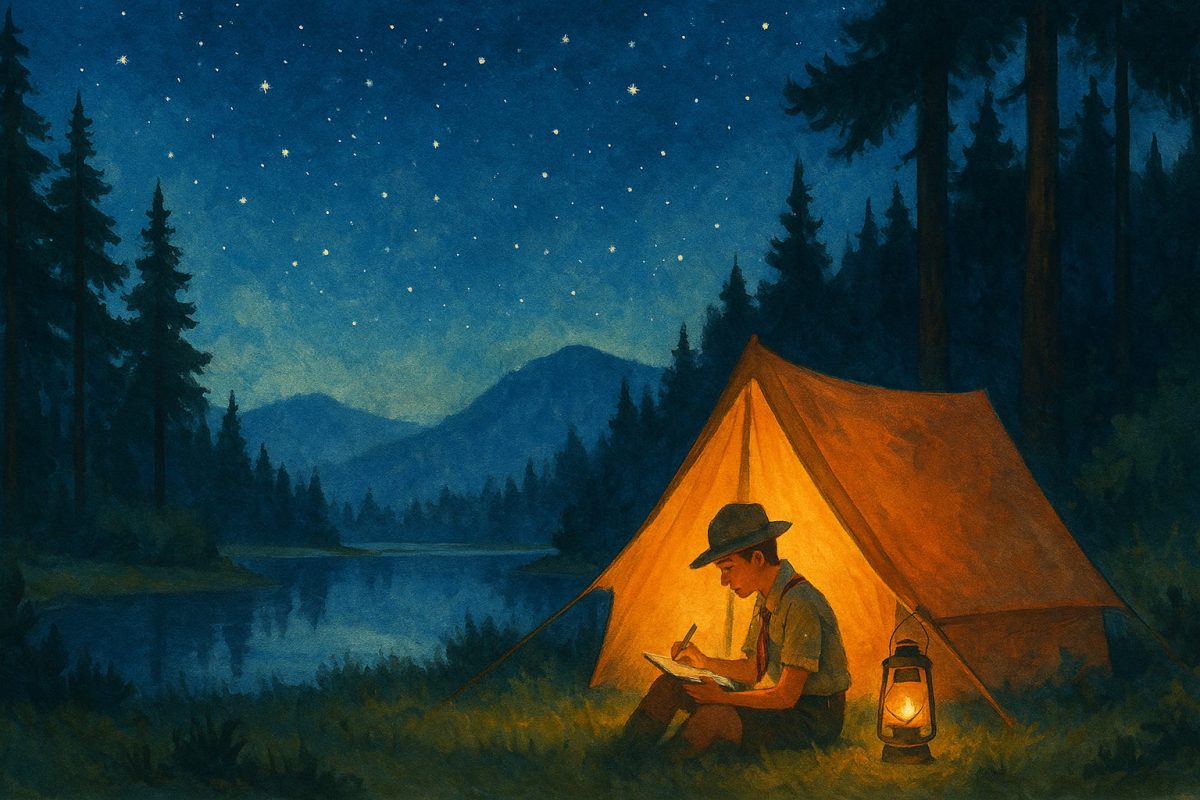
Camping is one of the most rewarding experiences in Scouting, and earning credit for your nights spent under the stars is a big step toward achieving the Camping merit badge. Knowing how to accurately record your camping nights will help you stay on track, avoid confusion, and make your journey toward Eagle Scout smoother and more enjoyable.
Whether you are a beginner or building on your existing camping experience, this guide will walk you through the best ways to track your nights, explain what counts (and what does not), and share practical tips for keeping your records organized for Scoutmaster conferences.
What Counts as a Camping Night for Merit Badge Credit?
To earn the Camping merit badge, you must camp a total of 20 nights at official Scouting activities or events. These nights must be spent sleeping outdoors, either in a tent you pitched or directly under the stars. Here is what you need to know:
Short-term camping makes up the majority of your camping nights. Most troop weekend campouts count as short-term camping experiences. Each night you sleep outside counts as one camping night toward your total. For example, a Friday to Sunday campout counts as 2 nights because you sleep outside Friday night and Saturday night.
Long-term camping can contribute up to 6 nights toward your 20-night requirement. Only one long-term camp (like summer camp) can count for up to 6 nights toward your total. Any long-term camps beyond the first one don’t count toward this badge but may apply to other advancement requirements such as rank or additional merit badges.
No indoor nights count toward the Camping merit badge. Nights spent sleeping in cabins, lodges, or other indoor shelters do not count for the Camping merit badge. This means those comfortable heated cabins at winter camp won’t help you earn this badge, even though they might count for other Scouting requirements.
Official Scouting events are the only activities that qualify for camping night credit. Only nights at approved Scouting activities or events are eligible for the Camping merit badge. Family camping trips or non-Scout outings do not count, no matter how many nights you spend under the stars.
Understanding these requirements helps you track your progress more effectively and plan future campouts strategically. Many Scouts find it helpful to keep a running tally of their qualifying nights to stay motivated and see how close they are to completing this requirement.
The video explains that a Scout needs 20 camping nights to earn the Camping Merit Badge, which is also required for the Eagle Scout rank. Only six nights can come from one long-term summer camp, while the rest must be from short-term troop or patrol campouts. It also covers related requirements for Order of the Arrow, Backpacking Merit Badge, and National Outdoor Award, showing that with about 25 total nights, a Scout can fulfill multiple goals.
The Right Way to Track Your Camping Nights
Keeping an accurate record is essential for earning your Camping merit badge. The difference between Scouts who breeze through their advancement review and those who scramble to reconstruct their camping history comes down to one thing: consistent record-keeping. Here are the best practices for tracking your camping nights.
Personal log: Maintain a notebook or digital document with the date, location, event name, number of nights, and a short description of each campout. This becomes your primary source of truth when questions arise about your progress. Many Scouts use a simple composition notebook that travels with them to every campout, while others prefer digital tools like Google Docs or smartphone apps that sync across devices.
Troop records: Some troops use online tools like TroopWebHost or Scoutbook to track camping nights. Check with your troop leaders to see what system is in place. Don’t depend completely on your troop’s tracking system; technology can fail, records can disappear, and leadership may turn over.
Verification: Always have your Scoutmaster or adult leader sign off on your log after each campout. This makes advancement reviews much easier and eliminates any confusion about whether specific nights qualify for merit badge credit. Make sure to collect signatures promptly after each campout; waiting months can lead to forgotten details and missing information.
Mastering camping night tracking starts with honesty: recognize how careful record-keeping directly leads to easier advancement reviews. If you’re scrambling to remember camping details during your Scoutmaster conference, the solution is to change your record-keeping system rather than simply trying harder to remember.
Sample Camping Nights Log Table
| Date | Event Name | Location | Nights | Tent/Under Stars | Leader Signature |
|---|---|---|---|---|---|
| 06/10/2024 | Summer Camp | Camp Arrowhead | 6 | Tent | [Signature] |
| 08/15/2024 | Fall Troop Campout | Pine Woods | 2 | Under Stars | [Signature] |
| 09/20/2024 | District Camporee | Scout Ranch | 2 | Tent | [Signature] |
Bring your camping log to every Scoutmaster conference or Board of Review, even if you think your troop tracks it for you. Having your own record can quickly resolve any questions about your progress and demonstrates the kind of personal responsibility that Eagle Scouts are known for. Your camping log becomes proof of your outdoor experience and shows advancement boards that you take your Scouting seriously.
Consider adding brief notes about what you learned or accomplished during each campout. These details help during advancement discussions and can remind you of specific skills you developed. For example, noting “learned to start a fire in the rain” or “practiced Leave No Trace principles” highlights growth in skills and experience rather than simply counting nights outdoors.
Understanding the Rules for Merit Badge Credit
The Camping merit badge has specific rules that determine which nights count toward your 20-night requirement. Understanding these rules upfront prevents confusion and ensures you’re tracking the right camping experiences from the beginning.
The most important rule involves long-term camping experiences. Only one long-term camp (typically 5+ consecutive nights) can count for up to 6 nights toward your total. This means if you attend a week-long summer camp, you can use all 6 nights from that experience. However, if you attend multiple summer camps during your Scouting career, only one of them can contribute its full nights to your Camping merit badge requirement.
Additional long-term camps aren’t completely wasted though. According to current BSA guidelines, you can count up to 2 nights from each additional long-term camping experience. The remaining 14-18 nights must come from short-term camping events like weekend troop campouts, patrol activities, or district camping events.
The outdoor sleeping requirement is non-negotiable. Each qualifying night must be spent either under the open sky or in a tent that you have pitched. Sleeping in cabins, lodges, lean-tos with walls and roofs, or any permanent structures doesn’t count toward the merit badge. This rule exists because the badge focuses on developing true outdoor camping skills.
Double-counting is strictly prohibited across all merit badges and rank requirements. Each camping night can only be applied to one specific requirement. If you use a particular night for your Camping merit badge, it cannot also count toward another merit badge or rank advancement requirement. This rule requires careful planning, especially for Scouts working on multiple outdoor-focused merit badges simultaneously.
To help visualize how these rules work together, here’s a breakdown of how a typical Scout might accumulate their 20 nights:
| Camping Type | Maximum Nights | Example Events |
|---|---|---|
| One Long-term Camp | 6 nights | Summer camp, high adventure base |
| Additional Long-term Camps | 2 nights each | Second summer camp, Jamboree |
| Short-term Events | Remaining nights | Weekend campouts, patrol camping |
Verification becomes much easier when you understand these rules from the start. Many Scouts run into problems during their Board of Review because they assumed all their camping nights would count, only to discover some don’t meet the specific requirements. Being ruthlessly honest about which nights actually qualify according to BSA standards saves time and prevents advancement delays.
The video below walks through a practical example of a Scout and leader reviewing a camping log together, highlighting the most common questions and mistakes that arise during verification:
The video explains how Scouts can complete about 53% of the Camping Merit Badge by aligning it with existing Tenderfoot, Second Class, and First Class rank requirements. The presenter shows which rank tasks overlap with specific Camping MB requirements—such as safety, weather awareness, Leave No Trace, gear preparation, and cooking—to save time and effort. He also clarifies the 20-night camping rule and provides practical advice for planning, packing, and documenting campouts efficiently.
Keep these rules in mind as you plan future camping experiences. Knowing which events will count toward your merit badge helps you make strategic decisions about which campouts to prioritize. Some Scouts discover they need more short-term camping experiences, while others realize they should save their second long-term camp for a different merit badge requirement.
Tips for Staying Organized and On Track
The difference between Scouts who breeze through the Camping merit badge and those who struggle for months often comes down to one thing: organization from day one. More than simply spending time outdoors, earning 20 camping nights helps you develop disciplined, lasting tracking habits.
Update your log immediately after every campout. Far from being simple advice, this guidance lays the groundwork for strong record-keeping habits. When you wait until you get home, details fade and signatures become harder to obtain. Pack a small notebook or use your phone to record the date, location, and type of camping experience while you’re still at the campsite. Ask your Scoutmaster or another leader to verify and sign off on the night before you pack up to leave.
Many Scouts make the mistake of thinking they’ll remember everything perfectly, but after several campouts, the details start blending together. Was that weekend trip in March or April? Did you sleep in a tent or a hammock? These specifics matter for your merit badge counselor, and having them documented in real-time eliminates guesswork later.
Check with your Scoutmaster regularly. Keeping your own log is important, but it needs to match your troop’s official records. Schedule brief check-ins every few months to compare your documentation with what your troop has on file. This simple step catches discrepancies early, before they become bigger problems during your merit badge review.
Some troops use digital tracking systems like Scoutbook or TroopMaster, while others stick with paper logs. Regardless of the system, the key is ensuring both you and your leaders are using the same information. If there’s a mismatch, resolve it immediately rather than hoping it works itself out.
Plan ahead. Look at your troop’s calendar and identify upcoming campouts that will help you reach your 20-night goal. This forward-thinking approach prevents the last-minute scramble that many Scouts face when they realize they’re short on nights just before their Eagle board of review. Mark your calendar with potential camping opportunities and commit to attending the ones that fit your schedule.
Remember that you can only count one long-term camp for up to six nights, so the remaining 14+ nights must come from shorter trips. If your troop typically does one weekend campout per month, you’ll need to attend most of them throughout the year to reach your goal. Planning ahead also helps you balance Camping merit badge requirements with school, sports, and other commitments.
Understand related requirements. Some campouts may also help you complete other merit badge or rank requirements, like cooking or conservation projects. This overlap makes your time more efficient and your Scouting experience richer. When you’re planning which campouts to attend, consider how each trip might contribute to multiple advancement goals.
For example, a conservation-focused camping trip might count toward both your Camping merit badge nights and Environmental Science merit badge requirements. A high-adventure campout could provide opportunities for Wilderness Survival or Hiking merit badges while adding valuable nights to your camping log. This strategic thinking transforms camping from a simple requirement into a comprehensive learning experience.
The most successful Scouts treat their camping log like a professional project. They use consistent formatting, keep backup copies, and maintain detailed records that go beyond the minimum requirements. This level of organization helps you earn the Camping merit badge while also building habits that will serve you well in college, career, and life.
Quick Takeaways
- Only nights spent outdoors at official Scouting events count for the Camping merit badge. This means family camping trips, school outings, or personal adventures don’t qualify—no matter how many s’mores you made or how cold it got. The nights must be part of troop campouts, council events, summer camps, or other organized Scouting activities where a leader can verify your participation.
- Keep a personal log and have each night verified by a leader immediately after every campout. Don’t wait until you’re scrambling to finish the merit badge months later. Get that signature while the details are fresh and your Scoutmaster remembers exactly which nights you were there. A simple notebook or the official merit badge pamphlet tracking sheet works perfectly for this.
- Only one long-term camp experience of up to six consecutive nights counts toward your 20-night total. This typically means your week at summer camp can contribute six nights, but any additional long-term camps won’t add to your count. The remaining 14 nights must come from shorter campouts—weekend trips, patrol outings, or special events that last one to three nights each.
- Stay organized and check your progress regularly with your Scoutmaster to avoid surprises. Your personal records should match what your troop has on file. Some troops use digital tracking systems, while others rely on paper logs, but the key is making sure both you and your leaders are on the same page about your verified nights.
- Use tools like logbooks, smartphone apps, or troop tracking software to maintain accuracy throughout your Scouting journey. The most successful Scouts treat their camping log like a bank account—they know exactly how many nights they have “deposited” and can quickly show the documentation when needed. Whether you prefer a simple spiral notebook or a digital spreadsheet, consistency in tracking beats perfection in format every time.
Frequently Asked Questions
Q: Can I count nights from family camping trips?
A: No. Only nights spent at official Scouting events count for the merit badge. The official BSA requirement specifically states that you must “camp for at least 20 nights at designated Scouting activities or events.” This means troop campouts, summer camp, high adventure trips, or other organized Scouting activities.
Family camping trips, school outdoor education programs, or camping with friends don’t qualify. The requirement exists to ensure you’re learning proper camping skills within the Scouting program and building experience with your patrol or troop.
Q: What if I forget to have my leader sign my log?
A: Try to get it signed as soon as possible. Contact your Scoutmaster, assistant Scoutmaster, or the adult leader who supervised the campout. Most leaders keep their own records of troop activities and can verify your participation.
If you wait too long, details may become hard to verify. Leaders might forget specific dates or which Scouts attended particular events. Keep a personal camping log with dates, locations, and activities to help jog their memory. Some troops use digital tracking systems that make verification easier for both Scouts and leaders.
Q: Do nights in a cabin or shelter count?
A: No. Only outdoor nights in a tent or under the stars count for this requirement. According to Scouting Magazine’s official clarification, you must “sleep each night under the sky or in a tent you have pitched.”
This means cabins, lean-tos, Adirondack shelters, or RVs don’t qualify. The goal is to develop genuine outdoor camping skills. Even if you’re at an official Scout camp, sleeping in a cabin doesn’t meet the requirement. You need to be in a tent or sleeping bag under the open sky.
Q: Can I count more than one long-term camp?
A: No. Only one long-term camp (up to 6 nights) can be used toward the 20-night total. The rest must be short-term campouts of 1-3 nights each. This rule ensures you gain experience with different types of camping situations.
A long-term camp typically means summer camp, high adventure bases, or extended Scout camps lasting 4-6 nights. The remaining 14+ nights must come from weekend campouts, patrol activities, or other short-term events. This variety helps you practice setting up and breaking camp multiple times, which builds real camping competence.
Q: Do all 20 nights need to be after I start working on the merit badge?
A: No. You can count camping nights from your entire Scouting career. According to the BSA’s official guidance, “all campouts since becoming a Scout may count toward this requirement.”
This means nights from your earliest days as a Scout count equally with your more recent campouts. Keep records from the beginning of your Scouting journey, or work with your Scoutmaster to reconstruct your camping history. Many troops maintain attendance records that can help verify your participation in past events.
Q: What counts as a “designated Scouting activity”?
A: Any official event organized by your troop, district, or council qualifies. This includes regular troop campouts, summer camp, Order of the Arrow events, camporees, high adventure trips, and jamborees.
The key word is “designated” – meaning officially planned and supervised by trained adult leaders. Informal camping with Scout friends or patrol activities without adult supervision don’t count. The activity needs to appear on your troop’s calendar or be registered through your council.
Q: How should I track my camping nights?
A: Use a simple log with dates, locations, and leader signatures. Many Scouts use the camping log in the back of their merit badge pamphlet, but a notebook or digital tracker works too. Record the campout date, location, type of event, and get an adult leader’s signature.
Keeping accurate records plays the biggest role in completing this merit badge, even beyond showing up for campouts. Some troops use apps like Scoutbook or TroopTrack to automatically log camping nights. Check with your Scoutmaster about your troop’s preferred tracking method to avoid confusion later.


