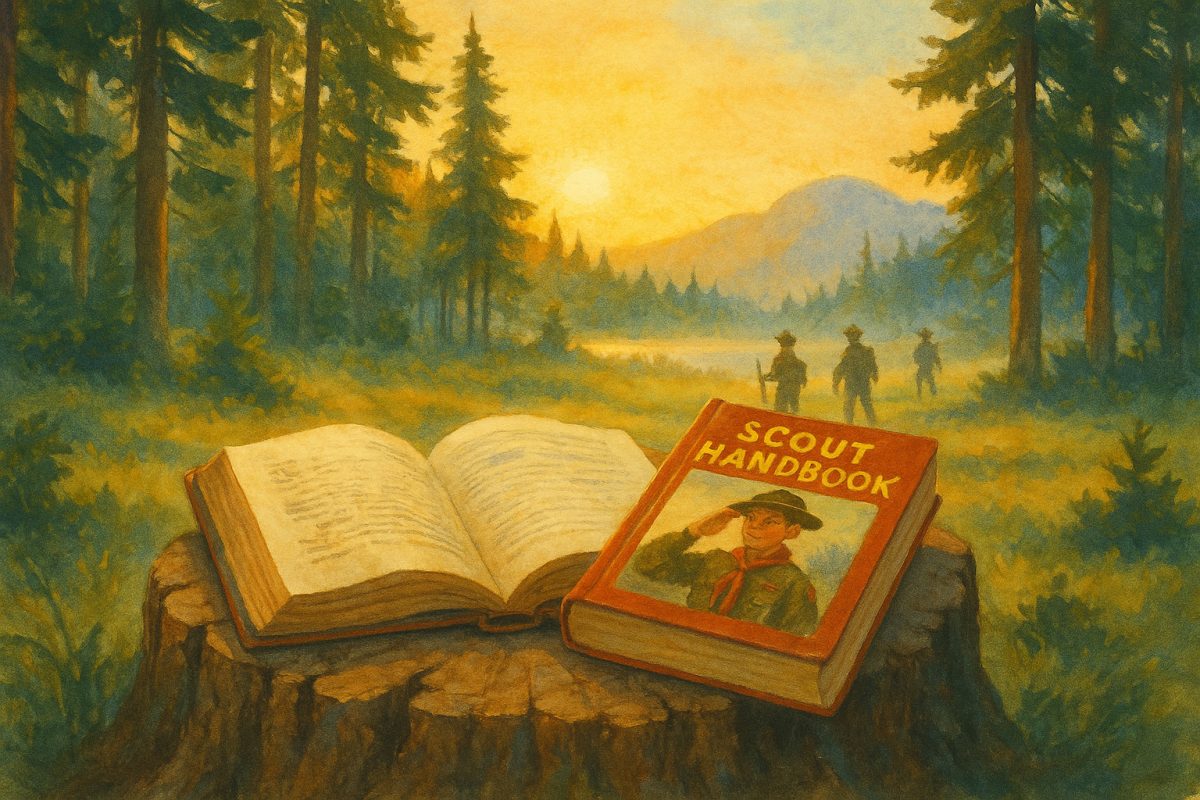
The Boy Scouts of America Handbook has been a trusted companion for generations of Scouts, guiding them through adventures, skills, and life lessons. Each edition tells the story of Scouting while also reflecting the changing world and values of each generation. Whether you’re a Scout, a leader, or a parent, learning about the Handbook’s history is a window into the spirit and traditions of Scouting itself.
In this article, we’ll explore fun and little-known facts about the BSA Handbook’s journey from its first pages in 1911 to the modern editions Scouts use today. You’ll discover how the Handbook has changed, what’s stayed the same, and why it remains one of the most influential books in American history.
How the BSA Handbook Began and Grew
The first permanent Boy Scout Handbook was published in August 1911, following a temporary edition that combined ideas from early Scouting sources. This foundational book built upon the work of Ernest Thompson Seton and other early Scouting pioneers, creating a unified guide for American boys entering the movement.
Since 1910, there have been one temporary and fourteen permanent editions, each reflecting the needs and values of its time. The evolution of these handbooks tells the story of American Scouting itself, from wilderness survival skills to modern leadership challenges. Nearly 40 million copies have been sold, making it one of the most widely read copyrighted books in the United States.
The Handbook has helped shape the experiences of millions of Scouts, offering guidance on everything from first aid to leadership. Each Scout who opens a Handbook joins a tradition that spans over a century, learning skills that have proven their worth across generations of young people.
A visual timeline showing the evolution of BSA Handbook covers and key changes through the decades would help bring this rich history to life. You can search for videos comparing different handbook editions to see how Scouting priorities have shifted over time.
The Handbook’s Place in Scouting Culture
The Handbook is more than a manual. It’s a symbol of belonging and progress for every Scout. When you receive your first Handbook, you’re holding the same type of book that guided Scouts through the Great Depression, World War II, and every major change in American society since 1911.
Early editions included instructions for skills like signaling and tracking; later versions added new topics as society changed. The third edition, published in the 1920s, featured the first Norman Rockwell cover, his iconic “Spirit of America” painting that captured the idealism of Scouting. The Handbook’s content has continually evolved, but much of the early material remains recognizable and relevant today, reflecting shifts in American values and Scouting priorities across generations.
The ninth edition was the last to feature a Norman Rockwell cover, using his famous 1970 painting “Come and Get It.” This marked the end of an artistic era that shaped Scouting’s visual identity for many decades. Rockwell painted covers for the 3rd, 4th, 6th, and 9th editions, with only the 6th edition featuring artwork created specifically for the Handbook.
| Edition | Years Printed | Estimated Copies | Notable Features |
|---|---|---|---|
| 1st | 1911–1914 | Unknown | First permanent edition |
| 5th | 1948–1959 | 6,405,000 | 11 years in print |
| 9th | 1979–1990 | Unknown | Last Rockwell cover |
| 13th | 2016–2019 | Unknown | Shortest print run |
If you ever find an old Handbook at a thrift store or library sale, check the copyright page for its edition and print year. Some rare editions are highly collectible and reveal fascinating changes in Scouting values. The important part is understanding what makes each edition unique. Early printings of the third edition with Rockwell’s cover can be worth hundreds of dollars, while common editions from the 1960s might only cost a few dollars but still offer incredible historical perspective on how Scouting has evolved.
Surprising Shifts and Fun Facts
The BSA Handbook’s history includes some remarkable twists that reveal how deeply connected Scouting has been to American society. The 1970s marked one of the most dramatic content shifts in the Handbook’s entire history, moving away from traditional outdoor skills toward urban and social issues like drug abuse and family finances. This was more than a minor adjustment. It represented a complete philosophical change in what Scouting leaders thought young people needed to learn.
This radical shift coincided with a significant membership challenge. During this same period, BSA membership dropped by 34% nationwide, suggesting that the move away from outdoor adventure and traditional Scouting skills may not have resonated with the families and youth the organization was trying to serve. At the same time, Scouting was working to stay relevant in a rapidly changing America. The effort showed the risk of moving too far from its outdoor roots.
Due to surprisingly poor record keeping and frequent printing overruns, the exact number of Handbooks printed throughout history remains unknown. Between 1927 and 1948 alone, an extra 785,000 copies were unofficially added to print runs, which means even the BSA does not have precise figures for one of America’s most widely distributed books. This speaks to the Handbook’s popularity. Demand often exceeded expectations, leading to rushed additional printings that weren’t always properly documented.
Different editions included or completely omitted key skills and information based on what was considered important at the time. Some editions removed neckerchief-wearing instructions entirely, while others added or dropped sections on topics ranging from planetary facts to specific outdoor skills. These changes reflected what adult leaders believed young people needed most during each era. A Scout looking at handbooks from different decades can see a fascinating snapshot of American priorities and concerns.
To see how dramatically these changes played out across different editions, this video walkthrough comparing BSA Handbook contents shows exactly what stayed consistent and what shifted with the times.
This National Scouting Museum video reveals how rank structures, advancement requirements, and even the Eagle Scout medal design evolved significantly over the decades (11:54). The video also shows how early handbooks only covered ranks through First Class, with Star, Life, and Eagle being entirely merit badge-based achievements (13:30). The advancement process itself was dramatically different. The first Eagle Scout didn’t even know he’d passed his board of review until months later (16:07).
The Handbook’s influence extends far beyond American borders, with Scouting handbooks worldwide sharing similar roots and organizational approaches. Many international Scouting organizations adapted the BSA’s handbook structure and content approach, creating their own versions that maintained the same basic philosophy of combining outdoor skills, character development, and practical life knowledge. This global reach means the American Handbook’s evolution influenced youth development programs across multiple continents.
For Scouts interested in collecting or studying these historical editions, finding old handbooks at thrift stores or library sales can reveal fascinating changes in Scouting values and priorities. Check the copyright page for edition numbers and print years. Some rare editions with unique covers or limited print runs have become highly collectible. More importantly, comparing different editions shows how Scouting has consistently adapted its approach while maintaining its core mission of developing capable, ethical young leaders.
The Handbook’s Legacy and Ongoing Impact
The BSA Handbook stands as one of America’s most enduring educational publications, with nearly 40 million copies sold since 1911, making it among the top-selling books in U.S. history. This remarkable reach reflects more than sales numbers. It represents millions of young people who turned to its pages for guidance on everything from tying knots to building character.
The Handbook remains a living document, continuously updated to meet the needs of Scouts in every era. Since 1910, Scouting America has published fourteen permanent editions plus one temporary edition, each reflecting the values and challenges of its time while maintaining the core principles that have guided Scouts for over a century. The current 14th edition, published in 2019, continues this tradition of evolution while preserving the fundamental outdoor skills and leadership principles that define the Scouting experience.
Its pages have taught millions of youth about leadership, service, and outdoor skills, helping shape responsible citizens across generations. The Handbook’s systematic approach to skill-building mirrors what works in all areas of mastery: identifying specific inputs that produce measurable results. Whether learning to tie a bowline or understanding the principles of Leave No Trace, the Handbook breaks down complex skills into actionable steps that Scouts can practice and perfect.
The Handbook’s legacy becomes most visible in the stories of Scouts who became astronauts, leaders, and innovators, many of whom point to its lessons as an early influence. Notable Eagle Scouts include Neil Armstrong, the first person to walk on the moon, who earned his Eagle Scout award in 1947. Other prominent leaders who used the Handbook as their guide include presidents, CEOs, and innovators who shaped American history and culture.
Content has evolved to reflect changing values, but core Scouting skills remain at the heart of every edition. While the 1970s edition shifted focus toward urban and social issues, later editions returned to emphasizing outdoor skills and traditional Scouting activities. This evolution demonstrates the Handbook’s ability to adapt while maintaining its essential mission of developing capable, ethical leaders.
Some editions have become rare and highly collectible due to limited print runs or unique features. The original 1910 temporary edition and early permanent editions are particularly sought after by collectors and Scouting historians. These rare editions provide a window into how Scouting has evolved while maintaining its core commitment to youth development.
The Handbook’s influence reaches far beyond Scouting, shaping leaders and communities for over a century. Its systematic approach to teaching practical skills, ethical decision-making, and leadership principles has influenced educational approaches worldwide. The book’s emphasis on learning through doing, whether building a fire, leading a patrol, or completing a service project, has become a model for experiential education that extends well beyond the Scouting movement.
Quick Takeaways
- The BSA Handbook has had fourteen permanent editions since 1911, plus one temporary edition
- Nearly 40 million copies have been sold, making it one of the top-selling books in U.S. history
- Content has evolved to reflect changing values, but core Scouting skills remain at the heart of every edition
- Some editions are rare and highly collectible due to limited print runs or unique features
- The Handbook’s influence reaches far beyond Scouting, shaping leaders and communities for over a century
FAQs
Q: When was the first official BSA Handbook published?
A: The first permanent edition was published in August 1911, following an initial temporary version in 1910.
Q: How many editions of the Handbook exist?
A: There have been fourteen permanent editions and one temporary edition since 1910, with the current 14th edition published in 2019.
Q: Why did the Handbook change so much in the 1970s?
A: The 1970s edition shifted focus from outdoor skills to urban and social issues, reflecting changing societal priorities at the time, though later editions returned to emphasizing traditional Scouting skills.
Q: Are old Handbooks valuable?
A: Some rare editions, especially the original 1910 temporary edition and early permanent editions with unique covers or limited print runs, are highly collectible among Scouting enthusiasts and can command significant prices.
Q: What makes the Handbook so important to Scouts?
A: It serves as a trusted guide for skills, values, and advancement, providing a constant companion on every Scout’s journey with systematic instruction that breaks down complex skills into achievable steps.