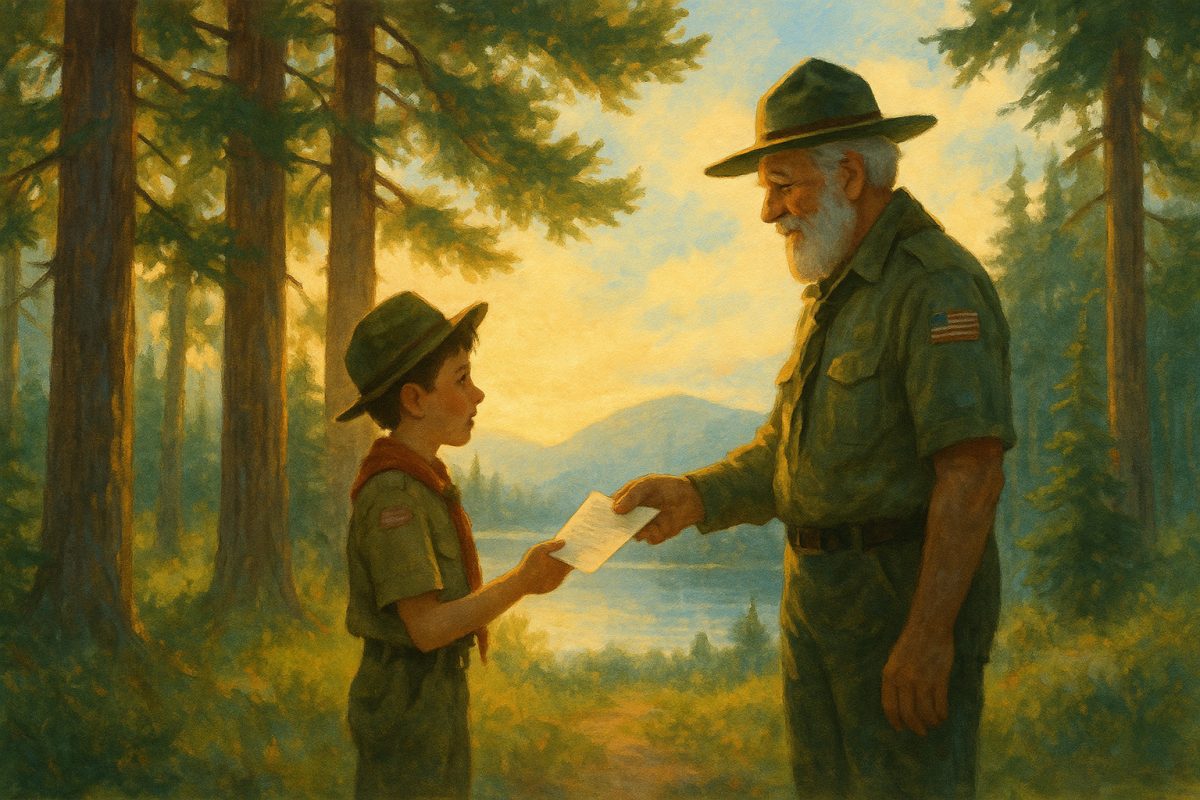
Reaching Eagle Scout is a milestone that celebrates years of dedication, learning, and growth. Your Eagle Scout Court of Honor is a time to recognize everyone who helped you along the way, especially your mentor. Inviting your mentor to speak at your ceremony is a meaningful way to thank them and share your journey with friends and family.
In this article, you’ll learn how to invite your Eagle mentor to speak at your ceremony in a way that is respectful, organized, and memorable. We’ll cover when and how to ask, what to include in your invitation, and tips for making their experience as a speaker smooth and enjoyable for everyone.
Why Invite Your Eagle Mentor to Speak?
Your Eagle Scout ceremony represents the culmination of years of growth, challenges, and achievements. Having your mentor speak at this milestone event creates a bridge between your past journey and future leadership potential. Their perspective adds depth that only someone who witnessed your transformation firsthand can provide.
Mentors occupy a unique position in your Scouting story. Unlike parents who see your daily life or Scoutmasters who guide many Scouts, your mentor chose to invest specifically in your development. They watched you navigate difficult merit badge requirements, work through leadership challenges, and push past moments when quitting seemed easier. When they speak at your ceremony, they validate the character growth that others might not have witnessed, beyond simply sharing memories.
Scouting follows a three-stage development pattern, and your mentor likely supported you through the transition from participant to skill-sharing Scout to empowered leader. They saw you evolve from someone who needed direction to someone capable of improving troop systems and mentoring younger Scouts. This progression story, told by someone who helped shape it, resonates powerfully with ceremony attendees.
Inviting your mentor to speak also honors the mentorship tradition that makes Scouting work. When younger Scouts in attendance hear how your mentor supported your growth, they understand what healthy mentorship looks like. Your ceremony becomes a teaching moment about the relationships that build strong leaders, extending beyond individual achievement.
The personal touch your mentor brings cannot be replicated by other speakers. They know the specific moments when you demonstrated Scout values under pressure. They remember conversations about your Eagle project when you felt overwhelmed. These authentic details make your ceremony memorable and meaningful, going beyond formality.
Finally, having your mentor speak demonstrates gratitude in action. Scouting teaches us to recognize those who invest in our development. By giving your mentor a platform to share their perspective, you’re modeling the appreciation and humility that Eagle Scouts should carry forward into their adult leadership roles.
When and How to Ask Your Mentor
Timing Is Everything
The moment you start planning your Eagle Court of Honor, your mentor should be one of the first people you contact. Reaching out several weeks in advance shows respect for their time and gives them the opportunity to prepare meaningful remarks. Most mentors appreciate having at least three to four weeks’ notice, especially if they need to adjust their work schedule or travel plans.
Your mentor has invested significant time in your Scouting journey, and they’ll want to deliver remarks that truly honor that relationship. Giving them adequate preparation time allows them to reflect on your growth, gather specific examples of your leadership development, and craft a speech that captures the unique role they’ve played in your path to Eagle.
Choosing the Right Method
A face-to-face conversation remains the gold standard for this type of important request. When you ask in person, your mentor can see your sincerity and immediately understand how much their participation means to you. If distance makes an in-person meeting impossible, a phone call creates that same personal connection and allows for immediate back-and-forth discussion.
For mentors you can’t reach directly, a formal email or handwritten letter works well. These written approaches give you the chance to carefully express your gratitude and provide all the ceremony details in one organized message. Whatever method you choose, make sure to include the date, time, location, and any specific themes you’d like them to address.
What to Say When You Ask
Start your conversation by acknowledging the specific ways your mentor has supported your Scouting journey. Focus on specific examples of their guidance, like assisting with leadership challenges or supporting you through a tough merit badge, rather than giving generic thanks. This personal touch shows you’ve genuinely reflected on their impact.
Explain why having them speak would be meaningful to you and your family. Share what you hope they might discuss, such as your growth as a leader, shared Scouting experiences, or lessons they helped you learn. Most mentors appreciate having some direction, even if they ultimately choose their own approach.
Be upfront about the practical details. Let them know how long you’d like them to speak (typically 3-5 minutes), when they’ll be introduced during the ceremony, and whether you have any specific themes for the event. This information helps them prepare appropriately and shows you’ve thought through the logistics professionally.
| Method | Key Points to Include | Example Opening Line |
|---|---|---|
| In Person | Gratitude, details, request | “Thank you for guiding me through my Eagle project. I’d be honored if you’d speak at my ceremony.” |
| Phone Call | Gratitude, details, request | “I wanted to ask if you’d be willing to share some remarks at my Eagle Court of Honor.” |
| Formal Email | Formal tone, gratitude, info | “It would be an honor if you would consider speaking at my Eagle Scout ceremony.” |
| Written Letter | Formal, personal, details | “Your support has meant so much to my Scouting journey, and I hope you’ll share that story.” |
Many successful Eagle Scouts have found that providing their mentor with a brief outline of their Scouting journey helps create more personal and confident speeches. Consider preparing a simple timeline of major milestones, leadership positions you’ve held, and challenges you’ve overcome together. This background information gives your mentor concrete examples to reference and helps them feel more prepared to speak meaningfully about your growth.
Remember that most mentors feel genuinely honored to be asked to participate in your Eagle ceremony. They’ve watched you develop as a leader and person, and speaking at your Court of Honor gives them a chance to publicly celebrate that transformation. Approach the conversation with confidence, knowing you’re offering them a meaningful role in recognizing the work you’ve accomplished together.
Crafting a Respectful and Memorable Invitation
Once you’ve decided to ask your mentor to speak at your Eagle Scout ceremony, the way you extend that invitation sets the tone for their entire experience. A thoughtful, well-organized invitation shows respect for their time and helps them understand exactly what you’re asking of them.
Be Formal and Organized
Your invitation should reflect the significance of the Eagle Scout rank and the respect you have for your mentor. Start with a clear subject line if you’re writing an email—something like “Invitation to Speak at My Eagle Scout Court of Honor” immediately communicates the purpose and importance of your message.
Address your mentor using their proper title (Mr., Mrs., Dr., Professor, etc.) unless they’ve specifically asked you to use their first name. This formal approach demonstrates the maturity and respect that Eagle Scouts are known for. In your opening, clearly state why their presence would be meaningful to you personally—perhaps they guided you through a difficult merit badge, helped you develop leadership skills, or served as a role model during your Scouting journey.
The most compelling invitations connect your mentor’s specific contributions to your growth as a Scout. Instead of generic praise, mention particular moments when their guidance made a difference. This personal touch shows you’ve put genuine thought into why you want them to be part of this milestone.
Provide Complete Details
Your mentor needs specific information to make an informed decision and prepare effectively. Include the ceremony date, start time, and complete address of the venue. Most Eagle Scout Courts of Honor last between 60-90 minutes, so let them know the expected duration of the entire event.
Be clear about the speaking expectations. Most mentor speeches run 3-5 minutes, which gives them enough time to share meaningful thoughts without overwhelming the ceremony. If you have specific themes you’d like them to address—such as leadership lessons, character development, or memorable Scouting experiences you shared—include these suggestions in your invitation.
Consider providing a brief outline of the ceremony flow so they understand when they’ll be speaking and what comes before and after their remarks. This context helps them prepare content that fits naturally into the overall program.
| Essential Details | What to Include | Why It Matters |
|---|---|---|
| Date & Time | Full date, start time, expected duration | Allows proper schedule planning |
| Location | Complete address, parking info, room details | Reduces stress and ensures punctuality |
| Speech Length | 3-5 minutes typical, any specific themes | Helps them prepare appropriate content |
| Ceremony Context | Order of events, other speakers, audience size | Provides framework for their remarks |
Follow Up Professionally
After sending your initial invitation, give your mentor a few days to respond. If you haven’t heard back within a week, a polite follow-up is appropriate. Remember that busy professionals often need time to check their schedules and may have missed your first message.
Check in again one to two weeks before the ceremony to confirm their attendance and offer any additional support. This follow-up serves multiple purposes: it shows your continued appreciation, allows them to ask any last-minute questions, and gives you time to make alternative arrangements if something unexpected comes up.
During this final check-in, offer to help with logistics. Can you provide directions to the venue? Do they need information about parking or building access? Would they like to meet briefly before the ceremony to review the program? These small gestures demonstrate thoughtfulness and help ensure everything goes smoothly.
Many successful Eagle Scouts find that their mentors appreciate receiving a brief written summary of their Scouting journey a few days before the ceremony. This might include major accomplishments, leadership positions held, or community service projects completed. Having this information helps mentors craft more personal and specific remarks that truly honor your achievements.
The video below offers excellent guidance for guest speakers at Eagle Scout ceremonies, covering key speaking tips and ceremony expectations that you can share with your mentor.
The video shows a full Eagle Scout Court of Honor ceremony with tips on setup, traditions, and presentation flow. It includes the Pledge of Allegiance, prayers, Scout Oath, symbolic candle lighting, and the Eagle Charge outlining honor, loyalty, courage, service, and vision. Family members are honored with special pins, the mentor is recognized, and the new Eagle Scout is officially presented with his badge and certificate, marking both the end of one journey and the beginning of new responsibilities.
Remember that your invitation is often the first step in what may become a lifelong connection. The respect and professionalism you show in asking your mentor to speak reflects the leadership qualities that earned you the Eagle Scout rank. Take time to craft a thoughtful invitation that honors both your mentor’s contributions and the significance of your achievement.
Supporting Your Mentor as a Speaker
Once your mentor agrees to speak at your Eagle Scout ceremony, your job shifts from asking to supporting. The best way to ensure your mentor feels confident and prepared is to remove any uncertainty about what they’ll encounter on ceremony day. Consider yourself part of their advance team, managing logistics so they can focus on sharing meaningful words about your Scouting journey.
Start by sharing the ceremony agenda at least two weeks before the event. Your mentor needs to know exactly when they’ll be speaking, how long the ceremony will last, and what happens before and after their remarks. Most Eagle ceremonies follow a similar structure, but each troop adds its own traditions. Send them a simple timeline that shows when guests arrive, when the ceremony begins, when they’ll speak (usually after the Eagle charge but before the presentation of the badge), and when the reception starts.
Introduce your mentor to the Master of Ceremony and other key participants before the ceremony begins. Being polite helps your mentor feel connected to the event instead of like an outsider waiting for their turn. Arrange for them to meet the Scoutmaster, the person presenting your Eagle badge, and anyone else who will be speaking. These brief introductions help everyone coordinate timing and create a more cohesive ceremony.
Consider the practical speaking setup your mentor will need. Most Eagle ceremonies happen in meeting halls, churches, or community centers where acoustics vary widely. If your ceremony includes more than 30 people, arrange for a microphone. Test it beforehand to make sure it works properly. If your mentor prefers standing behind something while speaking, set up a simple podium or lectern. These small details help speakers feel more comfortable and ensure everyone can hear their words clearly.
Plan how you’ll thank your mentor during the ceremony itself. This goes beyond a private thank-you afterward. Work with your Master of Ceremony to include a specific moment where you publicly acknowledge your mentor’s influence on your Scouting journey. This might happen when you introduce them to speak, or during your own remarks after receiving your Eagle badge. Public recognition shows other Scouts and families the importance of mentorship and honors the time your mentor invested in you.
Supporting your mentor involves applying the planning skills you’ve developed through Scouting. You’re identifying potential problems (Will they know when to speak? Can everyone hear them?) and solving them in advance. This preparation reflects the leadership qualities that earned you the Eagle rank in the first place.
Quick Takeaways
- Ask your mentor early and respectfully. The best time to invite your mentor to speak is at least a month before your Eagle Scout ceremony. This gives them time to prepare thoughtful remarks and ensures they can block off the date. When you approach them, explain the significance of the Eagle rank and how their guidance helped shape your journey.
- Approach the conversation in person first, then follow up with details via email. Your mentor has invested time in your development, so treat this invitation with the same respect you’d show when asking for a letter of recommendation.
- Use a formal invitation and share all event details. Once your mentor agrees to speak, send them a comprehensive email within 24 hours. Include the ceremony date, time, location, expected audience size, and parking information. Share the complete agenda so they know exactly when they’ll be presenting and what comes before and after their remarks.
- Provide context about other speakers and the overall ceremony flow. This helps your mentor tailor their message to fit seamlessly into the program without overlapping content with other presenters.
- Offer guidance on what to speak about. Many mentors feel honored to speak but uncertain about content. Suggest they share specific examples of your growth, challenges you overcame together, or leadership qualities they’ve observed. Give them permission to tell stories about your journey that highlight your character development.
- Recommend they keep their remarks to 3-5 minutes and focus on one or two meaningful moments rather than trying to cover everything. This guidance helps them feel confident and ensures their speech enhances rather than extends the ceremony.
- Support your mentor before and during the ceremony. Introduce your mentor to the Master of Ceremony and other key participants when they arrive. Make sure they know where to sit, when they’ll be called up, and whether a microphone or podium will be available. These small details reduce their stress and help them focus on delivering meaningful remarks.
- Stay nearby during the ceremony to provide any last-minute support or answer questions. Your mentor is there to celebrate your achievement, so make sure they feel welcomed and appreciated throughout the event.
- Express your gratitude for their role in your journey. Thank your mentor publicly during the ceremony, acknowledging specific ways they contributed to your Eagle Scout path. Consider presenting them with a Mentor Pin as a tangible symbol of appreciation. This recognition is meaningful regardless of whether they speak at your ceremony.
- Follow up after the ceremony with a handwritten thank-you note. Mention specific parts of their speech that resonated with you and your family. This personal touch reinforces the lasting impact of their mentorship and maintains the relationship beyond your Eagle Scout achievement.
Frequently Asked Questions
How far in advance should I ask my mentor to speak?
It’s best to ask at least a month before your ceremony. This gives your mentor enough time to prepare thoughtful remarks and work the event into their schedule. Many mentors appreciate having time to reflect on your journey together and craft something meaningful to share.
If you’re planning a larger ceremony or your mentor has a busy schedule, consider asking six to eight weeks ahead. Remember that your mentor has likely invested significant time in your development, so showing respect for their time by asking early demonstrates the leadership skills they helped you build.
What if my mentor cannot attend?
Thank them for their support and consider asking if they’d like to send a written message to be read aloud. Many mentors who cannot attend in person are honored to contribute a letter that can be shared during the ceremony. This allows their voice to be part of your special day even when they can’t be there physically.
You might also ask if they’d be willing to record a brief video message. Some ceremonies incorporate these digital contributions, which can be especially meaningful for mentors who live far away or have scheduling conflicts.
Should I give my mentor a Mentor Pin even if they don’t speak?
Yes. The Mentor Pin is a symbol of appreciation for their guidance, regardless of their role in the ceremony. The pin recognizes the time, wisdom, and support they provided throughout your Eagle Scout journey. Speaking at your ceremony is one of the ways mentors contribute to your success.
Presenting the pin privately before or after the ceremony can be equally meaningful as presenting it publicly. What matters most is acknowledging their impact on your development as a leader and person.
How long should the mentor’s speech be?
Three to five minutes is typical, but check with your ceremony organizer for specifics. This length allows your mentor to share meaningful observations about your growth while keeping the ceremony flowing smoothly for all attendees.
When you invite your mentor to speak, let them know the suggested timeframe. Most experienced speakers appreciate having clear expectations, and it helps them prepare remarks that fit well within the overall ceremony structure.
Can I invite more than one mentor to speak?
You can, but keep the ceremony’s length and flow in mind. One or two mentors is usually best. Multiple speakers can make the ceremony feel lengthy for younger attendees and family members. If you have several important mentors, consider having one speak while others participate in different ways.
Alternative roles for additional mentors include presenting your Eagle Scout badge, leading the Eagle Scout charge, or participating in the candle lighting ceremony. These meaningful contributions honor their role without extending the speaking portion of your ceremony.