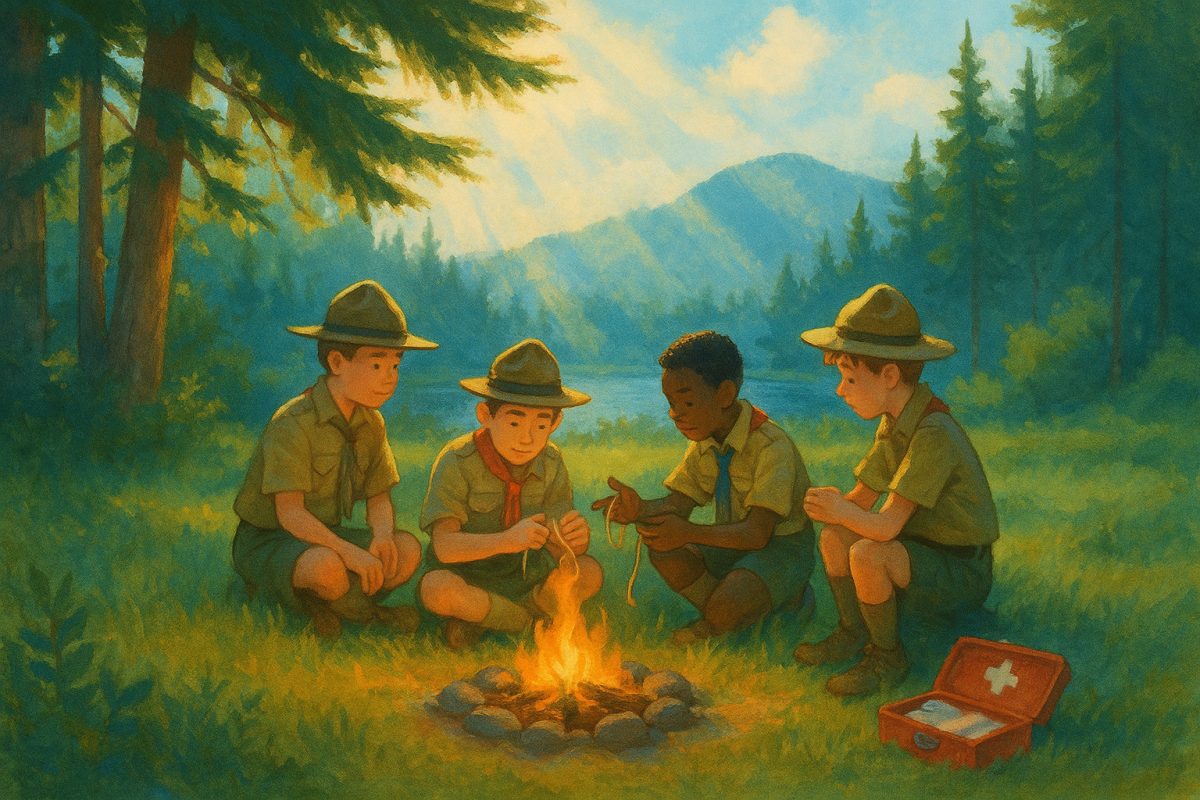
Leading a Scout skills demo is one of the best ways to help your troop grow stronger and more confident. Whether you are showing how to tie essential knots, build a safe fire, or handle a first aid scenario, you are giving Scouts the tools they need for real adventures. A well-run demo can turn a confusing skill into something everyone can use and remember.
This guide will show you how to plan, organize, and run a Scout skills demo that covers knots, fire-building, and first aid. You will learn how to keep things hands-on, make learning fun, and help every Scout leave with new skills and more confidence.
Planning Your Scout Skills Demo
Planning a successful Scout skills demonstration requires clear objectives, smart organization, and the right mix of hands-on learning. Whether you’re a Patrol Leader organizing your first skills night or a seasoned Scout preparing for a troop-wide event, the key lies in breaking down complex skills into manageable, engaging stations that keep everyone involved.
The most effective Scout skills demos focus on practical abilities Scouts actually use outdoors. Choose two or three core knots such as the square knot, bowline, and clove hitch. These form the foundation of rope work and each has simple, clear applications that stick with Scouts. For fire-building, choose one reliable method such as the teepee or log cabin structure that works consistently in various conditions. When planning your first aid component, match the complexity to your audience’s experience level, focusing on scenarios like creating a sling or proper bandaging techniques that build confidence without overwhelming newer Scouts.
Setting Clear Goals
Effective skill demonstrations start with specific, achievable objectives that give your event focus and direction. Decide exactly which skills you want participants to master by the end of your demo. This clarity will guide every other planning decision. For knots, limit yourself to 2-3 essential ties rather than overwhelming Scouts with a dozen different options. The square knot works perfectly for joining ropes of equal thickness, the bowline creates a secure loop that won’t slip under load, and the clove hitch provides quick attachment to posts or poles.
Fire-building demonstrations work best when you focus on one proven method that Scouts can replicate reliably. The teepee structure teaches proper air flow principles and works well with various tinder types, while the log cabin method demonstrates how to build a sustainable fire that burns evenly. Choose your method based on available materials and safety considerations. For indoor meetings, focus on building the fire lay without striking a match.
First aid scenarios should match your group’s skill level and create realistic learning opportunities. Making a sling teaches proper triangular bandage use and helps Scouts understand arm injury support, while basic bandaging covers wound care fundamentals that apply to countless outdoor situations. Pick scenarios that Scouts might actually encounter during camping trips or outdoor activities, making the learning immediately relevant to their Scouting experience.
Organizing Materials and Helpers
Successful skills demonstrations depend on having the right materials ready and experienced helpers positioned strategically throughout your stations. Gather enough rope for each Scout to practice knots individually. Sharing materials slows learning and reduces hands-on time. Use different colored ropes or contrasting materials to make knot structure more visible during demonstrations. For fire-building supplies, collect various tinder types, kindling sizes, and fuel wood even if you’re not lighting actual fires, as handling real materials teaches proper selection and preparation.
First aid stations need basic supplies like triangular bandages, gauze, medical tape, and practice materials that allow realistic scenario work. Ask experienced Scouts or adults to help run stations, but select helpers who can demonstrate skills clearly and answer questions patiently. The best leaders combine technical knowledge with teaching ability. They explain complex movements in simple steps and give encouraging feedback as Scouts practice.
Safety equipment becomes essential when working with fire demonstrations or first aid scenarios. Have water buckets, fire extinguishers, or sand readily available during any fire-related activities. For first aid practice, ensure all materials are clean and that participants understand the difference between practice scenarios and real emergency response. Prepare safety briefings for each station that cover potential hazards and proper handling procedures.
Structuring the Demo
The structure of your skills demonstration determines whether participants stay engaged or lose interest halfway through your event. Breaking larger groups into small teams of 4-6 Scouts creates more opportunities for hands-on practice and individual attention. Small teams also help quieter Scouts participate and allow natural leaders to support their patrol without dominating the group.
Rotation systems work well when you have multiple skills to cover and sufficient space for separate stations. Plan 15-20 minutes per station to allow time for demonstration, individual practice, and questions. If space or time is tight, focus on one skill per meeting and go deeper into that area. This focused approach often produces better learning outcomes than rushing through multiple topics.
The most engaging demonstrations combine clear instruction with active participation and friendly competition. Start each station with a brief demonstration that shows the skill performed correctly, then immediately move to hands-on practice where every Scout attempts the technique. Add competitive elements such as timed challenges or relay races to keep energy up. Keep competition light and supportive so the focus stays on skill development rather than winners and losers.
Watching experienced Scouts demonstrate these essential skills in action helps clarify proper techniques and shows how different stations can work together effectively. The video below provides excellent examples of Scout-led skill stations and practical tips for organizing successful demonstrations.
This demonstration covers three fundamental knots every Scout should master, with clear step-by-step instructions for each technique (0:16). The square knot explanation at the beginning shows proper crossing technique and common mistakes to avoid, while the two half hitches demonstration (2:09) illustrates secure anchoring methods essential for campsite setup. The taut-line hitch section (4:05) teaches adjustable tension control that proves invaluable for tent lines and equipment securing.
Remember that older Scouts in your troop represent a valuable teaching resource that often goes underutilized. These experienced members have moved beyond basic skill acquisition and can serve as station leaders, mentors, and system improvers for your demonstrations. Rather than simply assigning them operational tasks, empower them to design better teaching methods, suggest equipment improvements, or propose entirely new skill areas to cover. This approach develops their leadership abilities while creating a natural progression where younger Scouts look up to middle-tier skill-sharers, who in turn respect the guidance of older Scout leaders who have real agency in shaping troop activities.
Teaching Knots with Confidence
Teaching knots effectively starts with understanding that demonstration alone isn’t enough. Scouts need to see, practice, and apply these skills in realistic scenarios. Break down each knot into clear steps while immediately connecting it to real-world applications that matter to young people.
Demonstrating Essential Knots
Start every knot lesson with a slow, deliberate demonstration using large ropes or contrasting colors. The visual contrast makes it easier for Scouts to follow the rope’s path and identify where they might be going wrong during practice. Use paracord in two different colors, such as red and blue, so Scouts can clearly see which strand goes over or under at each step.
Explain the “why” behind each knot before diving into the “how.” For example, when teaching the square knot, mention that it’s designed to join two ropes of equal thickness and won’t slip under steady pressure, making it perfect for bandages or securing gear. The bowline creates a fixed loop that won’t tighten under load, which is exactly what you need for rescue situations or securing a rope to a tree. This context helps Scouts remember the steps because they understand the purpose.
Repeat your demonstration at least twice, then have an experienced Scout demonstrate it back to the group. This peer-to-peer teaching reinforces the lesson and gives you a chance to catch any common mistakes before everyone starts practicing.
Hands-On Practice and Games
Once you’ve demonstrated a knot, immediately get it into the Scouts’ hands. The gap between watching and doing is where most learning either takes hold or slips away. Give each Scout their own practice rope and walk around offering specific tips and corrections. Look for common errors like crossing the working end the wrong way or not leaving enough tail on the finished knot.
Organize competitive activities that make knot practice engaging. The 50-Foot Rescue Relay works particularly well: teams must tie specific knots as part of a simulated rescue scenario, combining knot skills with teamwork and time pressure. This type of challenge builds muscle memory while adding the realistic stress that Scouts might face in actual outdoor situations.
Try visual challenges to keep things interesting. Have Scouts identify different knots by sight, or challenge them to tie a familiar knot with their eyes closed. These exercises build confidence and help Scouts recognize when they’ve tied a knot correctly by feel alone, a skill that’s invaluable when working in low light or emergency conditions.
The most effective way to deepen understanding is to have Scouts teach each other. After mastering a knot, encourage each Scout to teach it to a friend or family member after the meeting. This teaching process forces them to organize their thoughts, anticipate questions, and explain the steps clearly, which solidifies their own knowledge far better than just practicing alone.
| Knot Name | Main Use | Demo Tip |
|---|---|---|
| Square Knot | Bandages, joining equal ropes | Use colored ropes for clarity |
| Bowline | Rescue, fixed loops | Show practical rescue scenario |
| Clove Hitch | Securing to objects | Practice on staves or poles |
End each knot session by having Scouts tie their learned knots one final time without instruction. This final check ensures they can perform the skill independently and gives you confidence that they’re ready to move on to more advanced techniques.
Leading a Fire-Building Demo
Fire-building looks simple until you try it yourself. Teaching it well means more than showing steps. You need to create a safe environment where Scouts practice while learning the real-world importance of this outdoor skill.
Preparing for Safety
Before striking a single match, safety preparation sets the foundation for everything that follows. Review fire safety rules with your Scouts, emphasizing the “10-foot rule.” Clear all flammable materials in a 10-foot circle around your fire site. This prevents small campfires from spreading into dangerous wildfires.
Ensure your demo area has at least two adults supervising. Keep water, sand, or a fire extinguisher right next to the fire site, never across camp where it would take time to reach. Position these safety tools where everyone can see them, reinforcing that fire safety isn’t optional.
Check local fire restrictions before your meeting. Some areas prohibit open flames during dry seasons, which means you’ll need to adapt your demonstration. Having a backup plan shows Scouts that good leaders always prepare for changing conditions.
Step-by-Step Fire Building
Start by gathering materials in three distinct sizes: tinder (pencil-thin), kindling (thumb-thick), and fuel wood (wrist-thick). Explain that successful fire-building is about finding the right inputs—dry materials, proper structure, and adequate airflow—not just hoping for the best.
Demonstrate a teepee fire lay by placing tinder in the center, then building a small teepee of kindling around it. Leave gaps between the sticks for air circulation. Explain that fire needs three things: fuel, heat, and oxygen. Remove any one of these, and the fire dies.
Show the lighting process step by step. Light the tinder from the bottom, allowing flames to naturally rise through the kindling. As the fire establishes, gradually add larger fuel wood while maintaining the teepee structure. Emphasize that patience beats rushing. Adding too much wood too quickly smothers the flames.
For extinguishing, demonstrate the “pour, stir, and feel” method. Pour water over all embers, stir the ashes with a shovel, then carefully feel for any remaining heat. If it’s still warm, repeat the process. This technique ensures no hidden embers can reignite hours later.
Hands-On Activity
Let Scouts build their own small fires if local regulations and your meeting location allow. Assign each Scout a buddy to help gather materials and provide feedback. This partnership approach builds teamwork while ensuring everyone gets hands-on practice.
If actual fire-building isn’t possible, create a simulated activity using sticks and string. Have Scouts construct proper fire lays without lighting them, then discuss what would happen next. This teaches the structure and planning without the safety concerns.
Connect fire-building to real scenarios Scouts might face. Discuss how fire provides cooking heat during camping trips, warmth during unexpected cold weather, and signaling capability during emergencies. These practical applications help Scouts understand why mastering this skill matters beyond earning a badge.
The video below demonstrates proper campfire safety from start to finish, including the critical safety checks every Scout should master:
This demonstration covers the essential 10-foot clearing process (0:53), proper supervision techniques, and the complete “pour, stir, and feel” extinguishing method (1:30). The video reinforces Smokey Bear’s safety mantra and shows why constant fire supervision prevents dangerous flare-ups (1:52).
After the hands-on practice, have Scouts reflect on which part felt most challenging. Some might struggle with gathering proper tinder, while others find the fire lay structure confusing. Use this feedback to adjust your teaching approach. If the output isn’t working, change the input method. This reflection helps you improve as an instructor and shows Scouts how to learn from mistakes.
Practicing First Aid Skills
First aid skills set prepared Scouts apart from those who freeze when someone is hurt. The difference between knowing and using first aid comes from practice under realistic conditions. Real learning happens through hands-on training that builds memory and confidence.
Demonstrating First Aid Basics
Start each first aid session with a clear scenario that Scouts might actually encounter. Rather than abstract instruction, present a specific situation: “Your patrol mate just cut their arm on a sharp rock while hiking. There’s moderate bleeding, and you need to stop it and protect the wound.”
Show the complete process from assessment to treatment, connecting first aid skills to other Scouting knowledge. When demonstrating how to make an arm sling, use this opportunity to reinforce the square knot they learned in earlier rank requirements. The square knot’s flat profile makes it ideal for slings because it won’t create pressure points against an injured arm.
Walk through each step deliberately, explaining your decision-making process. “I’m checking the wound first to see if there’s any debris that needs to be cleaned out before I apply pressure.” This narration helps Scouts understand the thinking behind each action, not just the mechanical steps.
Team Challenges and Relays
Bandage relays transform individual skill practice into engaging team competition. Set up stations where teams race to correctly apply different types of bandages: triangular bandages for slings, roller bandages for wounds, and elastic bandages for sprains. The key is maintaining accuracy while building speed, since real emergencies require both quick thinking and proper technique.
Rotate Scouts through different roles during each relay. One Scout acts as the patient, describing their “injury” and any pain or limitations. Another serves as the first responder, making treatment decisions and applying bandages. A third Scout can act as an observer, checking technique and offering encouragement.
| Activity Type | Skills Practiced | Team Benefits |
|---|---|---|
| Bandage Relay | Speed, accuracy, pressure application | Builds teamwork under time pressure |
| Role Rotation | Communication, assessment, empathy | Everyone experiences different perspectives |
| Scenario Challenges | Problem-solving, adaptation, leadership | Develops confidence in real situations |
This rotation system ensures every Scout experiences what it feels like to be injured and need help. Understanding the patient’s perspective makes Scouts more effective first responders because they remember how reassuring calm, clear communication can be during an emergency.
Tracking Progress
Create a simple skills checklist that tracks each Scout’s progress through specific first aid competencies. Rather than a pass/fail system, use categories like “Needs Practice,” “Developing,” and “Confident.” This approach encourages continuous improvement rather than one-time testing.
Track practical skills like applying direct pressure to control bleeding, creating improvised splints, and treating for shock. Also include communication skills such as reassuring an injured person and giving clear directions to others who can help. These “soft skills” often determine whether first aid is effective in real emergencies.
Celebrate progress publicly when Scouts move from one level to the next. Consider having Scouts who reach “Confident” status help teach newer Scouts. This peer teaching reinforces their own skills while building leadership experience.
After each practice, ask Scouts to reflect on what felt most challenging and which techniques helped them improve. Real growth comes from focusing on cause and effect, not just effort. If a Scout struggles with bandage application, the solution might be practicing the hand motions without time pressure, or breaking down the wrapping pattern into smaller steps.
This reflection process helps you adjust future training sessions. If multiple Scouts struggle with the same technique, spend more time on that skill during the next meeting. If Scouts consistently excel at certain skills, you can move on to more advanced scenarios or introduce complications like treating injuries in low light or bad weather conditions.
Quick Takeaways
- Planning makes the difference between a chaotic demo and one that actually teaches skills. Start by setting clear goals for what each Scout should be able to do by the end, whether that’s tying a bowline under pressure, building a fire in wet conditions, or applying a bandage quickly and correctly. Gather all your materials beforehand and recruit experienced Scouts or adults to help demonstrate and coach.
- Hands-on practice beats lectures every time. Give Scouts rope in their hands within the first five minutes of knot instruction, not after a long explanation. Set up friendly challenges like timed knot-tying contests or relay races where teams compete to build the best fire lay. These activities keep energy high and create natural opportunities for peer teaching.
- The real magic happens when you connect these skills to actual situations Scouts might face. Show how a square knot becomes essential for securing a bandage, or how proper fire-building technique could mean the difference between staying warm and being miserable on a winter campout. When Scouts see the practical value, they remember the lessons longer and take more pride in mastering the skills.
- Tracking progress turns individual learning into visible achievement for the whole group. Use a simple chart or app to mark off which Scouts have demonstrated each skill successfully. Celebrate these wins publicly, whether it’s a Scout finally nailing that clove hitch or helping a younger Scout learn proper bandaging technique. Encourage Scouts who master skills early to become teachers themselves, since explaining a technique to someone else deepens their own understanding.
- After each demo, run a quick “post-action audit” with your Scouts. Ask them which skill felt hardest and what made certain techniques easier to learn. This simple reflection habit helps you adjust future demonstrations for better results and teaches Scouts to turn every experience into wisdom they can use later.
Frequently Asked Questions
How long should a Scout skills demo last?
A focused demo covering knots, fire, and first aid can take 60–90 minutes, allowing time for practice and questions. The key is balancing instruction time with hands-on practice. Scouts learn best when they can immediately apply what they’ve heard.
Break your session into 15-20 minute chunks for each skill area. Start with a 5-minute demonstration, then give Scouts 10-15 minutes to practice before moving to the next skill. This prevents information overload and keeps everyone engaged throughout the session.
What if we cannot build a real fire?
Simulate fire-building with sticks, string, or models to teach the same principles safely. You can demonstrate proper tinder preparation, kindling arrangement, and airflow concepts without actual flames. Use a fire lay made from pencils or dowels to show log cabin and teepee structures.
Consider bringing a portable fire pan or using your troop’s designated fire area if available. Many Scout camps and meeting locations have approved fire rings where you can safely demonstrate actual fire-building techniques under proper supervision.
How do I keep Scouts interested?
Use games, relays, and real-life scenarios to make learning active and fun. Turn knot practice into speed competitions or create rescue scenarios where Scouts must apply first aid skills under time pressure. Skill-building requires honest feedback. If Scouts aren’t engaged, change your approach rather than just trying harder with the same methods.
Rotate between different learning styles throughout your demo. Some Scouts learn by watching, others by doing, and many need to hear the “why” behind each technique. Mix demonstrations with storytelling about when these skills saved the day on actual camping trips.
What if some Scouts already know the skills?
Ask them to help demonstrate or coach others. Teaching is a great way to reinforce their knowledge while building leadership experience. Experienced Scouts can serve as station leaders, helping newer members master the basics while you focus on advanced techniques.
Pair experienced Scouts with beginners using a buddy system. This creates natural mentoring opportunities and ensures no one gets left behind. Advanced Scouts can also demonstrate variations or more challenging applications of the basic skills you’re teaching.
Should we focus on speed or accuracy during practice?
Start with accuracy, then let speed build through repetition. Scouts who rush through knots or first aid often develop habits that are harder to fix. Emphasize proper technique first, and speed will follow with practice.
Use the “slow is smooth, smooth is fast” principle from military training. A Scout who can tie a bowline correctly every time will eventually tie it faster than someone who rushes and has to restart multiple times.
How do we handle different skill levels in one group?
Create multiple stations or use progressive challenges within each skill area. Set up basic, intermediate, and advanced versions of each activity. New Scouts can work on simple overhand knots while experienced ones tackle more complex lashings.
This approach keeps everyone challenged without leaving anyone behind. Scouts naturally progress from station to station as they master each level, creating a self-paced learning environment that works for mixed-age groups.
What materials should we have as backups?
Prepare extra rope, bandages, and fire-building materials, at least 25% more than you think you’ll need. Scouts will drop things, tie permanent knots, and use more supplies than expected during hands-on practice. Keep backup materials organized in separate containers so you can quickly restock stations.
Bring different rope thicknesses for knot practice. Thicker rope (½ inch) is easier for beginners to handle, while thinner paracord challenges more experienced Scouts. Having both options available lets you match materials to skill levels.