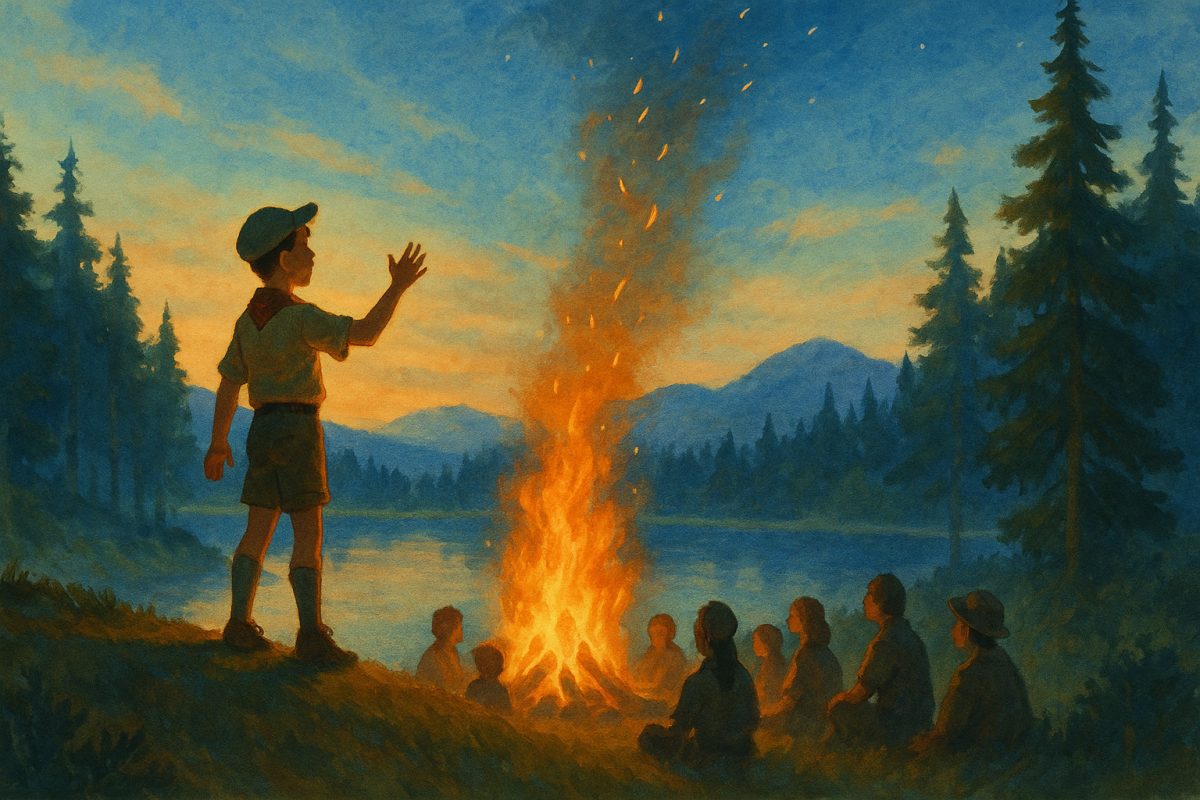
Public speaking is one of the most valuable skills you can develop as a Scout. Whether you are leading a troop meeting, sharing a story at a campfire, or working toward the Public Speaking merit badge, learning to speak with confidence opens doors in Scouting and beyond. Many Scouts start out nervous about talking in front of others, but with the right approach, anyone can improve and even enjoy public speaking.
In this article, you will find practical steps, proven techniques, and real-world advice to help you practice and strengthen your public speaking skills in Scouts. From preparing your first speech to mastering impromptu talks, you will discover how to become a clear, engaging, and confident speaker.
Why Public Speaking Matters in Scouts
Public speaking is one of the strongest ways for Scouts to grow as leaders and build confidence. When you can clearly share your ideas and inspire others, you open doors to leading patrols, teaching younger Scouts, and making a real impact in your troop. Speaking with confidence becomes part of almost every leadership role in Scouting and continues to serve you well in life.
The communication skills you develop through public speaking extend far beyond the campfire circle. These same abilities will serve you in school presentations, job interviews, and workplace meetings throughout your life. Every time you practice speaking up during a troop meeting or share a story at camp, you’re building skills that employers consistently rank among the most valuable. The confidence you gain from addressing a group of fellow Scouts carries over into schoolwork, job interviews, and other leadership opportunities.
Public speaking also helps you overcome one of the most common fears people face. Studies show that most people, around 70 to 80 percent, feel nervous when speaking to groups. For many, it ranks as one of their biggest fears. By tackling this challenge early in Scouting, you’re developing courage and resilience that will benefit you for decades. The supportive environment of your troop provides the perfect training ground to build these skills without the high-pressure stakes of adult situations.
Scouting offers numerous natural opportunities to practice public speaking in comfortable, encouraging settings. Whether you’re performing in a skit during a campout, serving as master of ceremonies at a court of honor, or sharing stories around the campfire, these moments build your confidence gradually. Each speaking opportunity in Scouting is designed to help you grow, not to judge or criticize your performance. Your fellow Scouts and leaders understand that everyone starts somewhere and are there to support your development.
To grow as a speaker, pay attention to how your preparation shapes your results. If your talk doesn’t connect with your audience, ask yourself if you practiced enough, knew your material, or spoke slowly and clearly. Honest reflection helps you improve for next time.
The video below demonstrates practical techniques that Scouts use to build confidence and overcome speaking anxiety, including tips on eye contact, body language, and speech preparation:
This Communication Merit Badge video covers essential speaking skills for Scouts (41:30), emphasizing the importance of knowing your audience and practicing good eye contact. The instructor also explains active listening techniques (6:01) and how to develop effective teaching plans (1:03:42) that help Scouts guide and inspire others through clear communication.
Each speaking opportunity in Scouting helps you grow as a leader and builds confidence for future challenges like Eagle boards of review, troop leadership, and community service. These skills prepare you to make a positive impact wherever life takes you.
Getting Started: Your First Speaking Opportunities
Every Scout faces that first moment when they need to speak up in front of others. The good news is that Scouting provides natural, low-pressure opportunities to build your speaking skills gradually. These early experiences help you develop confidence before taking on larger leadership roles or tackling more formal presentations.
Common Public Speaking Moments in Scouts
Your first speaking opportunities in Scouting often happen without you even realizing it. When you introduce yourself to a new patrol or share what you learned during a skill session, you’re already practicing public speaking. These moments feel natural because they’re part of regular Scout activities.
Flag ceremonies and meeting openings provide structured speaking practice. Leading a flag ceremony teaches you to project your voice clearly and speak with purpose. The familiar format helps reduce nervousness because you know exactly what to say and when to say it.
Camp skits and storytelling around the campfire offer creative speaking opportunities. These settings encourage personality and humor, helping you connect with your audience in a relaxed environment. Sharing a skill demonstration or giving a short report during troop meetings builds your ability to explain concepts clearly and answer questions.
Preparing for Your First Speech
Choosing the right topic makes all the difference in your first formal speech. Pick something you genuinely know well and care about, like your favorite camp activity or a skill you’ve mastered. Your natural enthusiasm will carry you through any nervousness, and your knowledge will help you answer questions confidently.
Organize your speech with three parts: a beginning to introduce your topic, a middle with your main points, and an ending that wraps it up. Write down your key ideas, but don’t script every word. This approach helps you stay organized while sounding conversational rather than robotic. Keep your first speech short. Aim for 3-5 minutes to build confidence without overwhelming yourself.
Practice is where real improvement happens. Pay attention to how your practice methods affect your results. If you stumble, try speaking out loud, recording yourself, or rehearsing in front of someone who can give feedback.
The most effective practice happens when you speak your speech aloud multiple times. Practice in front of a mirror to work on eye contact and gestures, then rehearse with family members who can point out areas for improvement. Recording yourself reveals habits you might not notice, like speaking too quickly or using filler words.
Many Scouts find that practicing their speech helps them discover which parts need more work and which sections flow naturally. This honest assessment of your preparation directly impacts your confidence when it’s time to deliver the real thing.
Watching experienced speakers can also accelerate your learning. The video below shows practical techniques for Scout public speaking and offers specific tips for managing nervousness during your first presentations.
This video demonstrates key speaking fundamentals specifically for Scouts, including the three-second rule for eye contact and techniques for starting your speech slowly to help the audience get comfortable with you (0:30-2:15). The presenter also explains how to prepare an organized 8-10 minute speech and deliver it conversationally rather than just reading from notes (3:37-4:00). You’ll also learn about impromptu speaking practice, which builds quick thinking skills and reduces fear of unexpected questions (6:00-7:00).
Keep in mind that your audience wants you to succeed. Fellow Scouts understand the challenge of speaking up because they’ve been in your position too. This supportive environment makes Scouting an ideal place to develop speaking skills that will serve you throughout your Eagle Scout journey and beyond.
Building Skills: Techniques for Effective Speaking
Getting better at public speaking takes time. The goal isn’t to be perfect but to speak clearly and confidently in any Scout setting. The techniques you learn now will serve you through Eagle boards, leadership positions, and countless situations beyond Scouting. Whether you’re addressing your patrol or speaking to the entire troop, these core skills will make your message heard and understood.
Voice and Delivery
Your voice is your primary tool for connecting with listeners, and small adjustments can make a huge difference in how your message lands. Speak loudly enough to reach the person farthest from you, but avoid shouting. Project your voice from your diaphragm rather than straining your throat. This creates a clear, strong sound that carries well without seeming aggressive.
Varying your volume and tone keeps your audience engaged and prevents the monotone trap that loses listeners quickly. Emphasize key words or phrases by speaking them slightly louder or slower. This naturally draws attention to your most important points. Strategic pauses are equally powerful, giving you time to gather your thoughts while allowing your ideas to sink in with your audience.
Practice speaking at different volumes during your preparation time. Record yourself delivering the same sentence with different emphasis patterns to hear how these changes affect your message’s impact.
Body Language and Presence
Even before you say a word, your body language sends a message. Standing tall, making eye contact, and using open gestures help your audience trust and connect with you. If direct eye contact feels overwhelming, look just above people’s heads or focus on friendly faces scattered around the room.
Stand tall with your shoulders back and use open gestures that welcome your audience into your message. Avoid crossing your arms, putting hands in pockets, or fidgeting with objects. These create barriers between you and your listeners. A genuine smile and occasional nods help establish rapport and show you’re comfortable sharing your thoughts.
Purposeful movement can enhance your presentation, but only move when it supports your message. Taking a step forward during an important point or moving to address different sections of your audience can add energy and keep attention focused.
Engaging Your Audience
Active engagement transforms a one-way speech into a two-way conversation, making your presentation more memorable and impactful. Ask questions that invite participation, even simple ones like “How many of you have tried this skill?” or “What do you think happened next?” These moments break up your delivery and give listeners a chance to mentally participate.
Personal stories and specific examples make abstract concepts concrete and relatable. Instead of saying “camping teaches responsibility,” share a brief story about a time when you had to solve a problem at camp or help a fellow Scout. These real experiences create emotional connections that help your audience remember and apply your message.
Pay attention to your listeners’ reactions throughout your presentation. If you notice confused expressions, slow down or rephrase your point. If attention seems to wander, ask a question or share a relevant example to re-engage the room.
The following video demonstrates many of these voice and body language techniques specifically for teen speakers, showing practical examples you can apply immediately:
This video covers essential techniques for maintaining audience attention through eye contact, posture, and clear speech (0:06). The presenter emphasizes how conveying confidence involves both what your audience sees and hears, including steady eye contact, upright posture, and purposeful hand gestures (1:25). The video also connects public speaking skills to independent thinking and problem-solving abilities that serve Scouts well beyond their presentations (2:04).
A helpful technique is repeating a question before answering. For example, if someone asks about your Eagle project, start with, “You’re asking about the timeline for my project.” This shows you listened and gives you a moment to think before answering. This approach shows you’re actively listening and gives you a moment to organize your thoughts, making your response clearer and more confident. When someone asks about your Eagle project during a presentation, you might say, “You’re asking about the timeline for completing my project. That’s a great question” before diving into your answer.
| Speaking Element | Effective Technique | Common Mistake |
|---|---|---|
| Voice Volume | Project from diaphragm to reach back row | Shouting or speaking too quietly |
| Eye Contact | Look at different sections throughout speech | Staring at one spot or avoiding eyes entirely |
| Hand Gestures | Open, purposeful movements that support message | Fidgeting, pointing, or keeping arms crossed |
| Audience Engagement | Ask questions and share personal examples | Reading directly from notes without interaction |
Remember that effective speaking is a skill that improves with practice and intention. Each time you present, whether it’s a simple patrol report or a merit badge demonstration, you’re building the communication abilities that will serve you as an Eagle Scout and beyond. Focus on one or two techniques at a time rather than trying to perfect everything at once, and you’ll see steady improvement in your confidence and clarity.
Practicing Public Speaking: Structured and Real-World Methods
Confidence in speaking grows through practice and repetition. Most Scouts who struggle with speaking haven’t practiced enough in the right ways. The solution is systematic practice that builds your skills step by step, starting with safe environments and gradually expanding to more challenging situations.
The Power of Repetition
Practice your speech several times before presenting, but make each practice session count. Run through your entire speech at least five times before you present it to your intended audience. Start by practicing alone in your room, then move to speaking in front of a mirror, and finally practice with family members or close friends who can give you honest feedback.
Try speaking in front of different groups to build versatility. Your family might be supportive and encouraging, but your patrol members will give you different reactions and questions. Each audience teaches you something new about how to connect and communicate clearly. The variety helps you become more adaptable and less dependent on a specific type of listener.
Use impromptu speaking games to build quick thinking skills. During troop meetings, practice responding to random questions or topics with just 30 seconds to prepare. This trains your brain to organize thoughts quickly and speak confidently even when you haven’t rehearsed. The ability to think on your feet will serve you well during Eagle Scout boards of review and leadership situations.
The Public Speaking Merit Badge Framework
The Public Speaking merit badge provides a structured approach to developing these skills. Research and prepare a speech on a topic that genuinely interests you. Your passion will come through in your delivery and make the experience more enjoyable. Choose something you already know well or want to learn more about.
Organize your ideas with a clear outline that includes an introduction, main points, and conclusion. Your outline becomes your roadmap, preventing you from getting lost or rambling during your presentation. Write down key phrases rather than full sentences to avoid reading directly from your notes.
Practice delivering your speech conversationally, as if you’re explaining something important to a friend. Avoid memorizing word-for-word, which often sounds robotic. Instead, know your main points well enough that you can explain them naturally, using slightly different words each time you practice.
Lead a discussion or try an impromptu talk to expand your skills beyond prepared speeches. These activities teach you to facilitate conversations, ask good questions, and respond thoughtfully to unexpected comments. Both skills are essential for Scout leadership roles and Eagle Scout project management.
| Activity Type | Description | Skill Developed |
|---|---|---|
| Troop Introduction | Short talk about yourself | Confidence, clarity |
| Skit Presentation | Perform with a group at a campfire | Teamwork, expression |
| Merit Badge Speech | Prepared speech on a chosen topic | Organization, delivery |
| Impromptu Speaking | Respond to a surprise question or topic | Quick thinking, adaptability |
| Leading a Meeting | Guide a discussion or activity | Leadership, engagement |
Overcoming Nerves and Building Confidence
Remember that everyone feels nervous at first. Even experienced speakers might feel nervous before important presentations. The difference is that experienced speakers have learned to use those nerves as energy rather than letting them become paralyzing fear. Feeling nervous shows that you care about doing well, which is a positive sign.
Focus on your message, not on yourself. When you concentrate on sharing something valuable with your audience, you naturally become less self-conscious. Think about how your information will help or interest your listeners rather than worrying about how you look or sound. This shift in focus reduces anxiety and makes your delivery more genuine.
Start small and build up to larger groups. Begin with one-on-one conversations, then move to small groups of three to five people, and gradually work up to larger audiences. Each successful experience builds your confidence for the next challenge. There’s no shame in taking this progression slowly. It’s how most effective speakers develop their skills.
Seek feedback from leaders and peers after each speaking opportunity. Ask specific questions like “Was my main point clear?” or “Did I speak loudly enough?” rather than general questions like “How did I do?” Specific feedback gives you concrete areas to improve rather than vague encouragement that doesn’t help you grow.
To master public speaking, be honest about the relationship between your specific practice methods and your actual results. If you’re still nervous after “practicing,” examine what you’re actually doing. Reading through your speech silently isn’t the same input as speaking it out loud multiple times. If your delivery feels stiff, the input might be memorizing word-for-word instead of practicing key concepts conversationally.
Coaching and regular practice help most people overcome their fear of public speaking. The key is consistent, deliberate practice rather than hoping the fear will disappear on its own. Each time you speak publicly, you’re building evidence that you can handle the situation, which gradually reduces your anxiety.
Body language and voice techniques play a crucial role in confident speaking, and watching experienced speakers can accelerate your learning.
This video demonstrates essential techniques for projecting confidence through your physical presence and vocal delivery. The coach covers eye contact strategies, proper posture, and effective use of pauses. These are all skills that will serve you well during Eagle Scout boards of review and leadership presentations. Key moments include maintaining eye contact 90% of the time (0:03), standing with balanced, confident posture (3:03), and using strategic pauses with small nods to let your ideas sink in (6:14).
Real-World Tips for Success
Scouts who grow as speakers are the ones who treat each opportunity as a chance to learn. Being authentic and prepared matters more than being perfect. When you let your genuine personality show through your words, your audience connects with you as a real person rather than someone trying to impress them. This doesn’t mean being casual or unprepared. It means speaking with your own voice instead of trying to sound like someone else.
Speaking clearly and respectfully helps others take your ideas seriously. Instead of saying, “Maybe we should try this,” say, “I recommend we do this because…” This direct style shows confidence while still respecting your audience’s intelligence and opinions.
Active listening transforms you from someone who simply waits for their turn to talk into a leader who truly engages with others. When patrol members share ideas during meetings, focus completely on understanding their perspective before formulating your response. This skill becomes especially valuable during Eagle Scout project planning sessions, where you need to gather input from multiple stakeholders and synthesize their feedback into actionable plans.
Each speaking experience teaches you something specific about what works and what doesn’t. The key is being honest about the relationship between your specific actions and the actual results. If your audience seemed confused during your merit badge presentation, analyze whether the issue was unclear organization, speaking too quickly, or insufficient eye contact. Change the input, such as your preparation method or delivery technique, to improve the output.
Scouting provides an ideal environment for developing these skills because the culture emphasizes growth over judgment. Your troop meetings, patrol leadership councils, and campfire programs offer regular opportunities to practice speaking in front of supportive peers who want you to succeed. Start with smaller groups like your patrol, then gradually work up to addressing the entire troop or presenting at a district event.
Over time, consistent practice in low-stakes environments helps Scouts grow from nervous beginners into confident speakers. When you volunteer to give the opening ceremony at your next meeting or lead a discussion during a merit badge session, you’re building the same communication skills that will serve you in college interviews, job presentations, and community leadership roles throughout your life.
Quick Takeaways
- Public speaking is a skill anyone can improve with practice. The fear of speaking in front of others affects nearly everyone at some point, but like any other skill in Scouting, consistent effort leads to real improvement. You don’t need to be naturally outgoing or have perfect confidence from day one. What matters is your willingness to keep trying.
- Scouts have many chances to speak in supportive settings throughout their journey. From leading opening ceremonies at troop meetings to presenting at Eagle Scout boards of review, Scouting creates natural opportunities to practice without the pressure of formal competitions or graded assignments. Your fellow Scouts and leaders understand the learning process because they’ve been through it themselves.
- Prepare, practice, and seek feedback to grow your confidence. Start by organizing your thoughts with a simple outline, then practice your main points out loud before presenting. After each speaking opportunity, ask a trusted leader or fellow Scout for one thing you did well and one area to improve next time. This feedback loop accelerates your growth and builds genuine confidence.
- Use voice, body language, and storytelling to engage your audience effectively. Vary your speaking pace and volume to emphasize important points, maintain eye contact with different sections of your audience, and stand with good posture to project confidence. When you share personal stories from camping trips or service projects, your audience connects with your experiences rather than just listening to facts.
- The Public Speaking merit badge gives Scouts structured practice in different types of speeches, from impromptu talks to prepared presentations. This merit badge requires you to give several different types of speeches, from impromptu talks to prepared presentations, giving you structured practice across various speaking situations. Completing this badge demonstrates to colleges, employers, and Eagle Scout boards that you can communicate effectively under different circumstances.
Frequently Asked Questions About Public Speaking in Scouts
How can I get over my fear of public speaking in Scouts?
Start by recognizing that nervousness is completely normal. Even experienced speakers feel it. The key is building confidence through gradual exposure and practice in supportive environments. Begin with speaking to just one or two fellow Scouts during patrol meetings, then work your way up to addressing your entire troop.
Practice your speaking skills regularly, even when it’s not required. Volunteer to give announcements, share trip reports, or lead discussions during meetings. The more you speak, the more comfortable you’ll become with the physical sensations of nervousness and learn to work through them.
Remember that your fellow Scouts and leaders want you to succeed. They’re not looking for perfection. They’re there to support your growth as a leader. Focus on your message rather than your fear, and trust that your preparation will carry you through.
What are some good topics for my first Scout speech?
Choose topics you genuinely care about and know well. Your favorite camping trip, a challenging hike you completed, or a service project that made an impact are all excellent starting points. Personal experiences make for engaging speeches because your enthusiasm naturally comes through.
Consider talking about a skill you’ve mastered in Scouting, like fire-building techniques or knot-tying applications. You could also discuss a merit badge you found particularly interesting or challenging. These topics allow you to share knowledge while drawing from your own experience.
Avoid overly complex or controversial subjects for your first few speeches. Instead, focus on stories that highlight Scouting values like perseverance, teamwork, or outdoor adventure. Your audience will connect with authentic experiences more than abstract concepts.
How do I practice impromptu speaking?
Impromptu speaking games are one of the most effective ways to build quick thinking and confidence. Try the “random topic” exercise: have someone give you a subject, then speak about it for exactly one minute without preparation. Topics can range from “camping gear” to “favorite pizza toppings.”
Another useful technique is the “three-point method.” When given any topic, quickly organize your thoughts into three main points, then speak for 30 seconds on each point. This structure helps you sound organized even when you’re thinking on your feet.
Practice during everyday conversations by challenging yourself to give clear, concise answers to questions. When someone asks about your weekend plans, resist the urge to give a one-word answer. Instead, provide a brief but complete response that includes context and details.
Do I have to memorize my speech?
You don’t need to memorize every word. Focus on knowing your key points so you can speak naturally and keep good eye contact. Create a simple outline with key phrases or bullet points that will trigger your memory during the speech.
Conversational speaking feels more natural and engaging than reciting memorized text. When you know your material well but speak from notes or an outline, you can adapt to your audience’s reactions and maintain better eye contact.
Practice your speech enough times that you’re comfortable with the content, but leave room for natural phrasing and spontaneous examples. This approach helps you sound authentic rather than robotic, and it reduces the pressure of remembering exact wording.
What should I do if I make a mistake while speaking?
Pause, take a deep breath, and continue with confidence. Most audiences are supportive and understanding, especially in Scouting environments where everyone is learning together. Small mistakes like stumbling over a word or losing your place briefly are far less noticeable to listeners than they feel to you as the speaker.
If you completely lose your train of thought, it’s perfectly acceptable to glance at your notes or outline. You can even acknowledge the moment with a simple “Let me check my notes” and then continue. This shows preparedness rather than weakness.
Avoid drawing excessive attention to mistakes by over-apologizing or making self-deprecating comments. Simply correct yourself if needed and move forward. Your recovery from mistakes often demonstrates more leadership than a perfect speech would.
| Speaking Situation | Preparation Level | Best Approach |
|---|---|---|
| Troop Meeting Announcement | Minimal prep needed | Brief outline, speak conversationally |
| Merit Badge Presentation | Moderate preparation | Detailed outline, practice key points |
| Eagle Project Proposal | Extensive preparation | Full script practice, visual aids |
| Impromptu Response | No preparation time | Three-point structure, stay calm |
The most important thing to remember is that public speaking improves with practice. Every time you speak in front of others, you’re building skills that will serve you throughout your Scouting journey and beyond. To improve as a speaker, focus on what practice methods actually help you deliver better results.
Your troop meetings, campfire programs, and merit badge work all provide natural opportunities to practice these skills in supportive environments. Take advantage of these chances to grow as a communicator and leader.