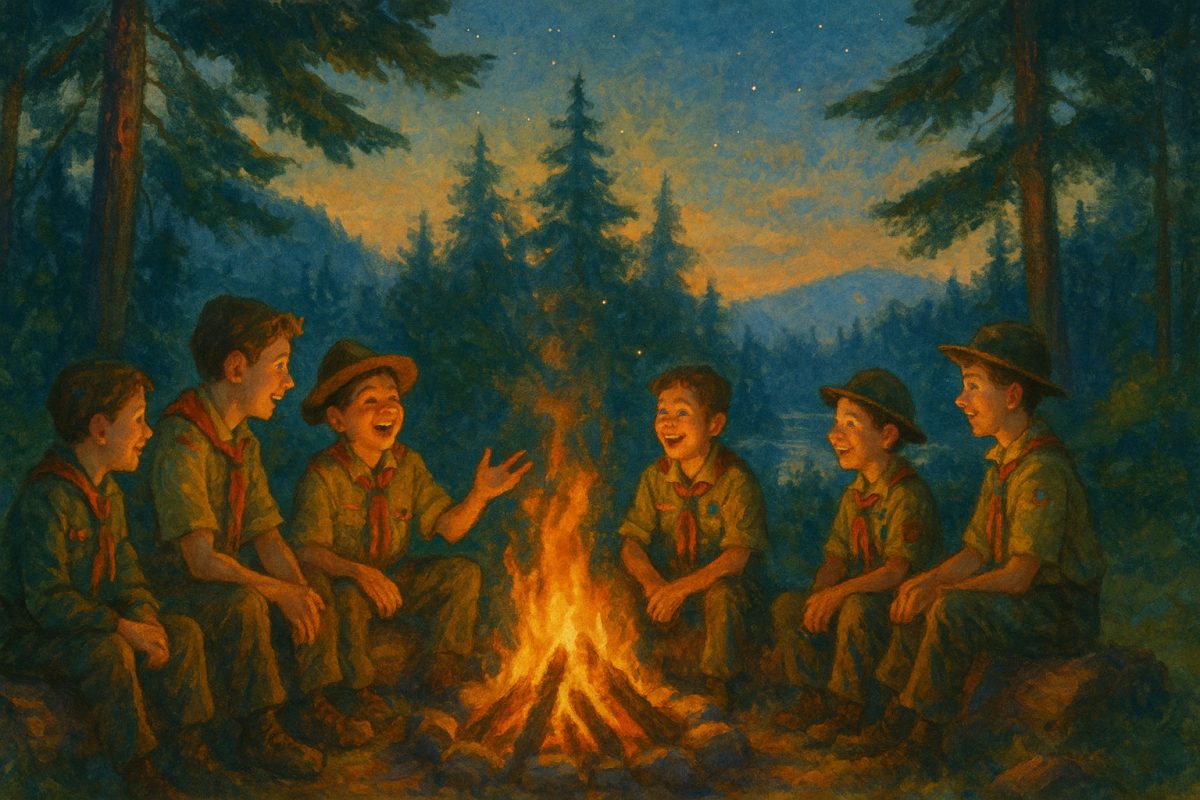
Scouting is filled with stories, records, and traditions that can spark excitement and pride in any troop meeting. Sharing fun facts is a great way to break the ice, inspire your fellow Scouts, and remind everyone of the incredible history and impact of Scouting around the world. Whether you are a Scout looking to lead a gathering activity or a leader hoping to energize your meeting, these facts and stories will help you create memorable moments for your troop.
In this article, you’ll find a collection of surprising Scouting facts, legendary achievements, and practical tips for weaving these stories into your next meeting. You’ll also learn how to make your troop gatherings more engaging by connecting these fun facts to skill-building activities, teamwork, and the values at the heart of Scouting.
Why Share Fun Facts at Troop Meetings?
When a Scout hears that 26 of the first 29 NASA astronauts were Eagle Scouts, it puts their own journey into a larger context. These facts help build identity and pride while encouraging Scouts to talk, ask questions, and share their own experiences. Over time, those conversations help shape a stronger, more engaged troop culture.
Fun facts start conversations. A younger Scout might be amazed to learn that Scouting connects youth with family, nature, and new friends in ways they never imagined, while older Scouts can connect these stories to their own leadership experiences. These casual moments often lead to deeper connections.
Scouting facts highlight the practical impact of Scouting skills and values. When Scouts hear stories about knot-tying saving lives or leadership shaping future presidents, it makes the skills feel real. Facts give context to the tools and values they’re learning, and that helps lessons stick.
Sharing fun facts also provides excellent leadership and public speaking practice in a low-pressure environment. Whether a Scout is reading a fact from a prepared card or sharing something they researched themselves, these moments build confidence and communication skills. The supportive troop environment makes it easier for quieter Scouts to participate and for natural leaders to practice engaging their audience.
The Role of Fun Facts in Troop Culture
Integrating facts into your regular meeting rhythm keeps energy up and reinforces the values of Scouting without breaking flow. You can use them at the start of a meeting during the gathering period, as smooth transitions between activities, or as part of a closing reflection that ties the evening’s lessons together.
The gathering period activities should be planned to give Scouts something fun and engaging before the official meeting begins. Fun facts during this time help Scouts who arrive early feel included while creating natural conversation starters for those still arriving. This approach builds energy and participation from the very beginning.
Seeing Scouting as part of a global tradition helps youth take pride in their role. When they hear how Scouts have shaped history, the everyday skills they’re learning gain new meaning.
The most effective approach is connecting fun facts directly to your current troop activities. If your troop is working on knots, share a rescue story that used those same knots. If you’re prepping for a service project, share an Eagle project that made a big impact. Relevance to real life helps these stories stick and reinforces the value of what Scouts are learning.
Watching strong troops run full, energetic meetings helps leaders understand how to build momentum. Look for how they use gathering games, transitions, and reflection periods to keep Scouts engaged throughout. The video below demonstrates how successful troops create energy and engagement from start to finish.
This comprehensive overview shows how gathering activities (1:26-1:50) create immediate engagement as Scouts arrive, while games and interactive elements (6:04-6:18) maintain energy throughout the meeting. The video emphasizes how proper planning and youth leader reflection (8:22-8:30) ensure continuous improvement in creating memorable, engaging experiences for all troop members.
Legendary Scouting Achievements and Records
Scouting data shows a pattern: many youth who engage deeply with the program go on to become leaders. This is due to how Scouting is structured to build confidence and responsibility over time. Scouts consistently rise to positions of influence and make significant contributions across every field imaginable.
Leadership and Achievement Highlights
The statistics on Scout leadership are striking. 89% of senior class presidents, 85% of student council presidents, and 72% of Rhodes Scholars were Scouts. These statistics reflect the systematic leadership training that happens in troops across the country every week.
Perhaps the most famous example comes from NASA’s early space program. 26 of the first 29 NASA astronauts were Eagle Scouts, including Neil Armstrong, the first person to walk on the moon. Armstrong himself earned 26 merit badges, five more than the 21 required for Eagle Scout. His methodical approach to earning badges reflected the same attention to detail that would later help him safely land on the lunar surface.
The connection between Scouting and space exploration continues today. In the most recent NASA astronaut graduating class, 20% are Eagle Scouts, a percentage that’s remained remarkably consistent across decades of space missions.
Global Reach and Cultural Impact
Today, over 31 million Scouts participate worldwide. Despite differences in language or country, they all share the same core values of leadership, service, and outdoor skills. It’s one of the largest youth movements ever created, connecting young people through shared values and experiences.
Baden-Powell’s classic book Scouting for Boys has sold 150 million copies since 1908, making it one of the best-selling books of all time. The book’s enduring popularity demonstrates how the fundamental principles of character development, outdoor skills, and service remain relevant across generations.
The cultural impact of Scouting appears in sometimes unexpected places. Musicians like David Bowie and Keith Richards were Scouts as boys. Richards has specifically credited his time in Scouts with nurturing his musical interests and teaching him the discipline that would later serve his career with the Rolling Stones.
| Name | Notable Achievement | Scouting Connection |
|---|---|---|
| Neil Armstrong | First person on the Moon | Eagle Scout (26 merit badges) |
| David Bowie | Iconic Musician | Former Scout |
| Keith Richards | Rolling Stones Guitarist | Former Scout (credits Scouting with nurturing music career) |
| 133 of 233 NASA Astronauts | Space Exploration | Former Scouts or Eagle Scouts |
These achievements matter because they show what’s possible when young people develop the skills and character that Scouting emphasizes. The same leadership abilities you practice when leading a patrol meeting or organizing a service project are the foundation for later success in any field. When you master the inputs—consistent practice, taking responsibility, learning from failure—the outputs follow naturally.
Surprising Stories and Unusual Scouting Facts
Scouts have been making history in ways that might surprise you. During World War II, Scouts stepped up in remarkable ways, serving as firefighters, messengers, and volunteers when their communities needed them most. These young people took on serious responsibilities, proving that Scout training builds real-world capability under pressure.
The statistics around Scout life-saving skills are equally impressive. According to historical BSA data, of every 100 boys entering Scouts, 1 used Scout skills to save someone else’s life and 2 used those skills to save their own. These numbers represent real moments when knot-tying, first aid, and outdoor skills made the difference between life and death.
Scouts have also set some pretty unusual world records over the years. Groups have broken records in camping, cooking, and even building specialized Scout equipment. The largest Scout neckerchief was created by the Tunisia Scout Association and recorded in the Guinness World Records. Other Scout groups have set records for the longest handshake chains and massive camping events that bring together thousands of participants.
Fun Fact Sharing Ideas
Building these stories into your troop meetings creates natural opportunities for Scouts to practice public speaking and research skills. Start a “Fact of the Week” segment at each meeting where different Scouts take turns presenting. This approach works because it gives everyone a chance to be the expert on something interesting.
Invite Scouts to research and present their favorite Scouting story from their own council’s history or from national Scout archives. Local Scout councils often have fascinating stories about troops that served during natural disasters or community emergencies. When Scouts dig into these stories themselves, they connect more deeply with the tradition they’re part of.
Turn facts into trivia, games, or patrol challenges. Tie the topic to what your Scouts are learning, whether it’s knot-tying, cooking, or outdoor survival.
Rotating the responsibility for sharing a fact among different Scouts each week builds confidence and helps everyone practice public speaking in a low-pressure way. Some Scouts will naturally gravitate toward dramatic rescue stories, while others might prefer the technical details of record-breaking achievements. Both approaches work because they let each Scout connect with Scout history in their own way.
Making Fun Facts Part of Troop Activities
Fun facts become powerful when they’re woven naturally into your troop’s regular activities. Rather than treating them as separate educational moments, the most effective approach is integrating these stories and trivia into the activities your Scouts already enjoy. This creates learning opportunities that feel engaging rather than forced.
Integrating Facts into Meeting Plans
The key to successful integration is matching the right type of fact to the right moment in your meeting. Opening ceremonies work well with historical facts about Scouting’s founding or stories of Scouts who made a difference. Skills instruction becomes more memorable when you connect knot-tying to the maritime history behind specific knots, or relate first aid techniques to real situations where Scouts used these skills to help others.
Team challenges and games provide natural opportunities to incorporate trivia without disrupting the flow of activities. ScoutSmarts suggests using quiz-based variations of classic games like “Steal the Bacon,” where teams must answer a Scouting trivia question correctly before attempting to grab the object in the center.
The most memorable experiences often come from activities that combine learning with friendly competition. When Scouts work together to answer challenging questions about Scout history or outdoor skills, they’re building both knowledge and teamwork skills simultaneously.
| Meeting Segment | Fun Fact Integration Idea |
|---|---|
| Gathering Activity | Trivia contest using Scouting facts |
| Opening Ceremony | Share a leadership or history fact |
| Skills Instruction | Relate a skill to a real-life Scout story |
| Team Games | Award points for correct fact answers |
One effective approach is creating themed meeting nights where facts support the main activity. If you’re working on cooking skills, share stories about famous Scout meals or cooking innovations that came from outdoor programs. During knot practice, include facts about how specific knots were used in historical expeditions or rescue situations.
The following video demonstrates several creative approaches to incorporating trivia and interactive activities into troop meetings, showing how educational content can enhance rather than interrupt the fun.
This video from Girl Scouts of Western New York showcases practical games that can easily be adapted for any troop meeting. The trivia segment (3:28-5:35) demonstrates how Scouts can take leadership roles by researching and presenting questions to their peers, while the scavenger hunt activity (3:31-5:28) shows how simple prompts can lead to storytelling opportunities as Scouts share the stories behind items they find.
Facts stick best when they support what Scouts are already doing. Build the fact into the game itself. Award extra points for teams that can explain the historical context behind a skill they just demonstrated, or challenge patrols to research interesting facts about their patrol animal as part of a larger team-building exercise.
Remember that the goal isn’t to turn every activity into a history lesson. The facts should add depth and context to what Scouts are already learning and doing. When a Scout ties a bowline and then learns that this same knot was used by sailors for centuries, the skill becomes more meaningful and memorable.
Resources for Finding More Fun Facts
The best place to start your search for Scout trivia is with official Scouts BSA Program Resources, which offer planning aids and modules specifically designed for fun, engaging meetings. The Program Features collection includes 48 themed modules that make program planning easier for troop leaders, with many containing historical facts and interesting stories woven throughout the activities.
For extensive collections of Scout trivia, ScoutSmarts.com offers over 50 incredible BSA Scout facts that can wow your troop, including stories about famous Eagle Scouts like Neil Armstrong and fascinating historical details. The UK Scout Association also maintains excellent resources, including their “30 Amazing Facts” collection and historical archives that contain over 250,000 photographs, diaries, letters, and objects documenting more than 100 years of Scouting history.
Your troop leadership and experienced Scouts represent some of the most valuable sources for local and personal Scouting stories. Senior Patrol Leaders who have attended summer camp multiple times often know camp legends and traditions that can’t be found in any handbook. Adult leaders who have been involved for years typically have witnessed remarkable Scout achievements and can share stories about former troop members who went on to do extraordinary things.
| Resource Type | Best For | How to Access |
|---|---|---|
| Official BSA Resources | Meeting planning and structured activities | Scouting.org program resources |
| ScoutSmarts.com | Quick facts and historical trivia | BSA Scout facts collection |
| Troop Veterans | Local stories and personal experiences | Interview during meetings or campouts |
One practical approach that builds long-term value is keeping a shared troop notebook or digital document where Scouts can add new facts or stories they discover. This becomes more valuable over time as different Scouts contribute their findings from merit badge research, summer camp experiences, or family Scouting connections. The key is making it a living document that gets updated regularly rather than something that sits forgotten after the initial enthusiasm wears off.
To make this system work effectively, assign different Scouts to research specific topics each month. One Scout might focus on Eagle Scout achievements, another on camping innovations, and a third on international Scouting traditions. When Scouts know they’re responsible for finding and sharing facts, they become more invested in the process and often discover stories that surprise even experienced leaders.
Digital platforms like Google Docs or shared Notion pages work well for this purpose because multiple people can contribute simultaneously, and the content remains searchable for future meeting planning. Include a simple template for each entry: the fact or story, the source, and suggested ways to use it in meetings or ceremonies.
Quick Takeaways
Sharing fun facts at troop meetings transforms ordinary gatherings into memorable experiences that Scouts look forward to attending. When a Scout shares that Lord Baden-Powell started the movement with just 20 boys on Brownsea Island, or that the first Eagle Scout earned his rank in 1912, these moments create connections between current Scouts and the rich legacy they’re part of. Research shows that troops with engaging meeting activities see higher attendance and stronger member retention.
Scouting’s history contains countless impressive achievements and surprising stories that naturally build pride in the program. Did you know that 12 of the first men to walk on the moon were Scouts? Or that the Scout handshake uses the left hand because Baden-Powell learned this custom from African warriors who considered it a sign of trust? These facts are fascinating conversation starters that help Scouts understand they’re part of something significant and enduring.
Integrating facts into regular activities and ceremonies makes meetings more engaging without requiring additional planning time. A simple fact shared during opening ceremonies sets an energetic tone for the entire meeting. When teaching knots, mentioning that sailors have used the bowline for over 500 years adds historical context that makes the skill feel more important. Troop meeting resources suggest weaving educational elements throughout activities rather than treating them as separate segments.
Rotating the responsibility for sharing facts among all Scouts creates natural leadership development opportunities. This approach follows the three-stage development model where younger Scouts participate and learn, middle-tier Scouts take on teaching roles, and older Scouts guide the overall system. When a newer Scout researches and presents a fact about Scouting’s international reach, they practice public speaking in a supportive environment. More experienced Scouts can mentor this process, helping younger members find interesting facts and present them confidently. This rotation ensures every Scout gets comfortable speaking in front of the group, a skill that serves them well beyond Scouting.
Frequently Asked Questions About Sharing Scouting Fun Facts
Q: Where can I find reliable Scouting fun facts?
A: Official Scouting websites, handbooks, and reputable Scouting blogs are excellent sources. The official Scouting America website contains verified historical information and current statistics. The Scouts BSA Handbook includes fascinating details about Scouting’s founding and traditions that many Scouts don’t know. ScoutSmarts offers well-researched articles with interesting Scouting trivia and historical context.
Local council websites often feature unique stories about your area’s Scouting history. Merit badge pamphlets contain surprising facts related to their specific topics. The Astronomy merit badge pamphlet, for example, includes details about Scouts who became astronauts. Always verify facts through multiple sources before sharing them at meetings.
Q: How can I make sharing facts more interactive?
A: Use trivia games, team challenges, or ask Scouts to present their own researched facts. Create a “Scouting Jeopardy” game where patrols compete to answer questions about Scouting history, famous Eagles, or outdoor skills. Set up fact-finding missions where Scouts research specific topics and present their discoveries to the troop.
Rotate responsibility by having different patrols take turns preparing weekly “Scout Spotlight” presentations. Challenge Scouts to find connections between historical facts and current Scouting activities. For instance, after sharing that Lord Baden-Powell used tracking games to train scouts, have the troop practice actual tracking skills outdoors. The most memorable experiences often come from combining learning with hands-on challenges that require Scouts to work together and overcome small obstacles.
Q: Are there guidelines for what types of facts to share?
A: Focus on facts that are inspiring, positive, and relevant to Scouting’s values and history. Choose stories that demonstrate courage, leadership, service, or outdoor adventure. Facts about Eagle Scouts who made significant contributions to their communities work particularly well, as do stories about Scouting innovations or traditions.
Avoid controversial topics or facts that might make some Scouts feel excluded. Instead of focusing on statistics that might seem intimidating (like low Eagle Scout percentages), share stories about Scouts who overcame challenges to achieve their goals. Facts about Scouting’s global reach, environmental conservation efforts, or emergency preparedness successes tend to build pride and motivation.
Q: Can parents or leaders participate in sharing facts?
A: Absolutely! Anyone can contribute fun facts or stories to enrich the troop meeting experience. Adult leaders often have access to historical resources and personal Scouting experiences that add depth to fact-sharing sessions. Parents who earned Eagle Scout rank can share stories from their own Scouting days, creating connections between generations.
Encourage adults to research facts related to their professional expertise. A parent who works in aviation might share stories about Eagle Scouts who became pilots, while a teacher could present facts about Scouting’s educational impact. The key is ensuring adult participation enhances rather than dominates the Scout-led nature of meetings. Adults should present facts in ways that encourage Scout discussion and questions rather than turning the session into a lecture.