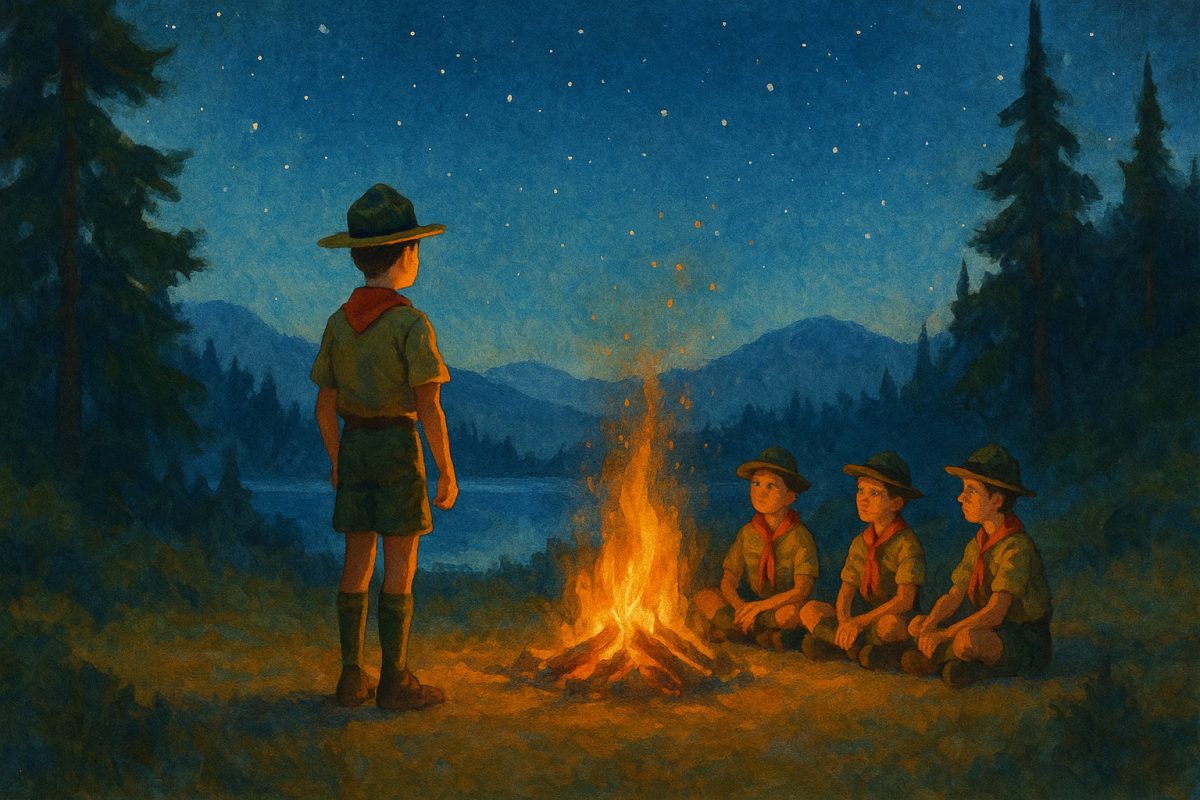
Scoutmaster conferences are a key step in every Scout’s journey, marking progress and growth at each rank. Whether you’re preparing for your first conference as a new Scout or getting ready for the big conversation before Eagle, understanding what to expect helps you feel confident and ready to share your story. This guide will walk you through how to prepare for a Scoutmaster conference at every rank, what topics might come up, and how to make the most of this important milestone.
Every rank in Scouts BSA includes a Scoutmaster conference. The conversation changes as you grow, covering the skills, experiences, and leadership you’ve built along your journey. By knowing what’s expected and how to prepare, you’ll be set up for a positive, meaningful conversation that supports your advancement and helps you reflect on your growth as a Scout.
What Is a Scoutmaster Conference and Why Does It Matter?
A Scoutmaster conference is a one-on-one meeting between a Scout and their Scoutmaster (or an assistant, if needed). It’s required for every rank from Scout all the way to Eagle and Eagle Palms. The conference is a chance to talk about your experiences, review what you’ve learned, and set goals for the future. It’s a conversation about your Scouting journey so far, not a skills test.
According to the Guide to Advancement 2025, conferences are typically held after all other rank requirements are finished and before your Board of Review. The Scoutmaster uses this time to get to know you better, answer questions, and help you reflect on your growth. For Eagle rank, the conference is longer and covers your entire Scouting experience, leadership, and service.
A Scoutmaster conference is its simple and straightforward. It’s just a conversation between two people about your Scouting journey. Your Scoutmaster wants to hear how you’ve grown, the challenges you’ve faced, and what you’re aiming for next. This isn’t a time to recite facts or demonstrate knots; it’s a chance to reflect on the kind of person you’re becoming through Scouting.
To get the most out of your conference, think about it as a chance to showcase your growth through specific examples. If you’ve learned to be more patient while teaching younger Scouts, share that story. If a camping trip taught you something about leadership, bring it up. The conference works best when you come prepared to discuss real experiences, not just check boxes.
Here’s a video from an experienced Scoutmaster that explains the conference process and shares practical tips for making your conversation meaningful:
This video breaks down exactly what happens during a Scoutmaster conference and why it matters for your advancement. The Scoutmaster explains that conferences aren’t tests but conversations (0:13). He shares the key questions he asks about living by the Scout Oath and Law (3:07) and reveals his “magic question” that helps Scouts think about improving their troop (4:59).
Who Leads the Conference and When Does It Happen?
The conference is usually led by the Scoutmaster. An assistant Scoutmaster may lead if the Scoutmaster is unavailable, except for Star, Life, and Eagle conferences, which Scouting America policy requires the Scoutmaster to conduct.
The timing is straightforward: conferences happen after you’ve completed all other requirements for your next rank. The Board of Review can only be scheduled after your Scoutmaster conference is complete. This sequence makes sense because the conference helps prepare you for the questions and discussions you’ll face with the review board.
Conferences can take place in person or, if necessary, virtually. Many Scoutmasters prefer face-to-face conversations, but either format works if it allows for privacy and focus. The setting should be comfortable and private enough for an honest discussion about your Scouting journey.
Bring a notebook with your rank requirements, service logs, and merit badge records. Having everything organized makes the conversation smoother and shows responsibility. When you can quickly reference specific dates, activities, or accomplishments, it demonstrates that you take your advancement seriously. This preparation also helps you think through your experiences beforehand, so you’re ready to discuss what you’ve learned rather than just what you’ve done.
Preparing for Your Scoutmaster Conference by Rank
Each rank has slightly different expectations for the conference. Here’s what to focus on for each:
Scout to First Class
The early ranks focus on building a strong foundation in Scouting basics. Your Scoutmaster wants to see that you understand what you’ve learned and can connect it to real experiences. Review your completed requirements and be ready to discuss what you learned from each one. Don’t just memorize what you did. Think about how each skill or activity helped you grow.
Be prepared to talk about troop activities, Scout skills, and how you’ve lived by the Scout Oath and Law in your daily life. Your Scoutmaster might ask about your favorite campout, a skill you found challenging to learn, or how you’ve helped other Scouts in your patrol. The conference usually lasts 15–20 minutes and focuses on your experiences and growth so far.
Bring your handbook, any requirement tracking sheets, and notes about service hours or activities you’ve completed. Having everything organized shows responsibility and makes the conversation flow more smoothly. If you kept a journal or took photos during activities, those can help you remember specific details to share.
| Rank | Key Topics to Review | Documents to Bring |
|---|---|---|
| Scout | Basics of Scouting, Oath & Law | Handbook, requirement sheet |
| Tenderfoot | Scout skills, troop involvement | Service log, skills notes |
| Second Class | Outdoor skills, teamwork | Merit badge records |
| First Class | Leadership, community service | Advancement report |
Star and Life Ranks
At Star and Life ranks, the focus shifts toward developing as a leader and contributing meaningfully to your troop and community. Your Scoutmaster will want to hear about your leadership roles, service hours, and merit badge progress. Come prepared with specific examples of how you’ve helped other Scouts learn skills or solve problems.
Reflect on challenges you’ve faced and what you learned from them. Maybe you struggled to teach a younger Scout how to tie knots, or you had to adapt when weather changed your patrol’s camping plans. Sharing moments when you faced challenges can show growth more clearly than stories where everything went exactly as planned. Your Scoutmaster wants to understand how you think through problems and support others.
Speak honestly about what’s working and what isn’t in your leadership approach. If you tried leading a service project and it didn’t go as planned, that’s valuable to discuss. Show that you can analyze your actions and adjust your approach based on results.
Eagle Rank
The Eagle conference is more comprehensive, often lasting 30 minutes or more. You’ll discuss your entire Scouting journey, from your first campout to your Eagle project completion. Your Scoutmaster will want to hear about pivotal moments that shaped your character and leadership style. Think about specific times when you had to make difficult decisions or step up when others were counting on you.
Be prepared to talk about your plans for the future and how Scouting has shaped your perspective on service, leadership, and personal responsibility. You don’t need to have every detail of your future planned, but you should be ready to share thoughtful reflections on your Scouting experiences. Your Scoutmaster might ask how you plan to stay involved in Scouting or continue serving your community after earning Eagle.
Your Eagle project will be a major topic, but don’t just describe what you accomplished. Focus on what you learned about project management, working with adults, motivating volunteers, and handling unexpected challenges. The project is important, but what matters most is how it built your leadership skills and understanding of service.
What to Expect During the Conference
The Scoutmaster conference is designed to be a relaxed, supportive conversation, not a formal test or interrogation. According to the official BSA guidance, this meeting serves as “an open dialogue” that should be “optimistic and forward thinking.” Your Scoutmaster wants to understand your growth, celebrate your achievements, and help you set goals for the future.
During the conference, you’ll likely be asked about your favorite Scouting experiences, what challenges you’ve faced, and how you’ve applied the Scout Oath and Law in your daily life. These aren’t trick questions. They’re opportunities to share your story. The conversation flows naturally, much like talking with a mentor who genuinely cares about your development.
For higher ranks like Star and Life, expect the discussion to shift toward leadership roles, service projects, and personal growth. Your Scoutmaster might ask about specific merit badges you’ve earned, leadership positions you’ve held, and how you’ve helped younger Scouts. The conference typically lasts 20-45 minutes for these ranks, giving you plenty of time to discuss your experiences thoughtfully.
| Rank | Example Questions |
|---|---|
| Scout | What was your favorite troop activity so far? |
| Tenderfoot | How have you helped others in your patrol? |
| Second Class | What Scout skill are you most proud of learning? |
| First Class | How do you show leadership in your troop? |
| Star/Life | Tell me about a time you solved a problem as a leader. |
| Eagle | What did you learn from your Eagle project? |
Remember that your Scoutmaster has likely conducted hundreds of these conferences. They understand that Scouts sometimes feel nervous, and they’ll work to put you at ease. You can get the most from your conference by coming prepared with specific examples and speaking honestly about both your successes and the areas you want to improve. This honesty helps your Scoutmaster understand how to best support your continued growth.
A successful conference starts with understanding that your Scoutmaster truly cares about your development as both a Scout and a person. They want to hear about your camping adventures, the merit badges that challenged you, and the moments when you stepped up to help others. This conversation helps them ensure you’re ready for your Board of Review and continued advancement in Scouting.
To see exactly how these conversations unfold, the video below demonstrates a typical Scoutmaster conference for Star and Life ranks, showing the supportive tone and types of questions you can expect.
This comprehensive training video from Scouting America walks through the entire conference process, emphasizing that it’s “not a testing situation” but rather a supportive dialogue (0:43). The section on Star and Life conferences (22:18-25:30) shows how these conversations focus on leadership experiences, service projects, and future goals, giving you a clear picture of what to expect during your own conference.
Tips for a Successful Scoutmaster Conference
Schedule your conference as soon as you finish your other requirements. Schedule your conference promptly after completing your other requirements. According to the Guide to Advancement, the Scoutmaster conference is a required step before your Board of Review, and getting it done quickly keeps your advancement momentum going.
Review your handbook thoroughly and be familiar with your completed requirements. You don’t need to memorize every detail. Instead, focus on understanding what you’ve accomplished and how it connects to the Scout Oath and Law. Your Scoutmaster wants to see that you’ve internalized the lessons, not just checked off boxes. Flip through the pages where you earned signatures and think about what each requirement taught you.
Bring any necessary documents to your conference. This includes your service project logs, merit badge cards, and your Scout handbook with all completed requirements signed off. Having everything organized shows respect for your Scoutmaster’s time and demonstrates the leadership skills you’ve been developing. Some troops also require position of responsibility documentation or other specific forms.
Speak honestly about your experiences and challenges. Your Scoutmaster has likely been through similar struggles and wants to help you grow from them. This conversation is about growth, not perfection.
Listen actively and ask questions if you’re unsure about anything. The conference is a two-way conversation where you can clarify expectations for your next rank or discuss leadership opportunities in your troop. If your Scoutmaster mentions something you don’t understand, speak up. This shows maturity and genuine interest in your Scouting journey.
Before your conference, practice talking about your experiences with a friend or family member. This preparation helps you feel more comfortable and confident sharing your story. Think about specific examples of how you’ve lived the Scout Oath and Law, challenges you’ve overcome, and leadership moments you’re proud of. The goal isn’t to rehearse perfect answers, but to organize your thoughts so you can communicate clearly about your growth.
A Scoutmaster conference is meant to be supportive and encouraging. As noted in ClassB’s guidance, it’s a conversation about your development as a Scout and future leader, not a test you can pass or fail. Arrive prepared, be yourself, and use this time to reflect on your growth as a Scout and leader.
Quick Takeaways
- Every rank in Scouting America requires a Scoutmaster conference before your Board of Review. This applies whether you’re advancing to Tenderfoot, Second Class, First Class, Star, Life, or Eagle Scout. The conference serves as the final step with your troop before moving to the board review process.
- Scoutmaster conferences are conversations, not tests. Your Scoutmaster wants to hear about your growth, challenges, and what you’ve learned during your advancement journey. Think of it as a chance to reflect on your experiences with someone who understands the Scouting program and wants to see you succeed.
- Preparation varies by rank, but the foundation remains consistent: review your completed requirements, reflect on your journey, and bring necessary documents. For early ranks like Tenderfoot through First Class, focus on the outdoor skills and citizenship activities you’ve completed. Star and Life conferences dig deeper into your leadership experiences and service projects.
- The Eagle Scout conference is different from the others. It often lasts 30 minutes or more and covers your entire Scouting experience, not just your time as a Life Scout. Your Scoutmaster will want to discuss your Eagle project, leadership growth, and how Scouting has shaped your character and values.
- Showing up organized and prepared makes your conference more valuable for you and your Scoutmaster. After completing each requirement, make a habit of asking yourself: “What did I learn from this? How did I grow?” This simple reflection turns experiences into wisdom and gives you genuine stories to share during your conference.
- Remember that your Scoutmaster has watched you progress through the ranks and genuinely wants to celebrate your achievements. Come prepared to discuss specific examples of how you’ve lived the Scout Oath and Law, overcame challenges, and contributed to your troop and community. Many Scouts remember these conferences as milestones in their journey, moments when their hard work and growth were recognized and celebrated.
Frequently Asked Questions
How long does a Scoutmaster conference take?
Most Scoutmaster conferences last between 15 and 20 minutes for standard ranks like Scout through Life. Eagle Scout conferences typically run 30 minutes or longer because they cover your entire Scouting journey and require more detailed discussion about your leadership experiences and service project.
The length depends on how much you have to share and discuss. If you come prepared with specific examples and thoughtful responses, the conversation flows naturally and stays focused.
Do I need to finish all other requirements before the conference?
Yes, you must complete all other rank requirements before scheduling your Scoutmaster conference. According to the Guide to Advancement, the Scoutmaster conference is typically the final step before your Board of Review.
Your Scoutmaster will verify that all requirements are signed off during the conference. This includes merit badges, service hours, leadership positions, and any other rank-specific requirements. Don’t schedule your conference until everything else is documented in your handbook.
Can an assistant Scoutmaster lead my conference?
Yes, an assistant Scoutmaster can conduct your conference if the Scoutmaster is unavailable. The BSA allows this flexibility to ensure Scouts can advance without unnecessary delays.
However, many troops prefer that the actual Scoutmaster handle Eagle conferences due to their significance. Check with your troop’s specific policies, as some may require the Scoutmaster for certain ranks.
What if I’m nervous about my conference?
Feeling nervous is completely normal and shows you care about doing well. The best way to manage conference nerves is thorough preparation. Review your requirements, think through your experiences, and organize your materials ahead of time.
Your Scoutmaster wants you to succeed. The conference isn’t a test you can fail. It’s a conversation designed to help you reflect on your growth and prepare for the next steps in your Scouting journey. When dealing with a nervous Scout, experienced leaders often think about what might be causing that anxiety while maintaining clear expectations for the conversation.
Bring your handbook, any required forms, and specific examples of how you’ve grown as a Scout. Most Scouts find that once the conversation starts, their nerves settle quickly.
Can Scoutmaster conferences be held virtually?
Yes, virtual conferences became an accepted option during the pandemic and remain available when meeting in person isn’t possible. Many troops now offer this flexibility for families with scheduling challenges or transportation issues.
Virtual conferences follow the same format and requirements as in-person meetings. Make sure you have a reliable internet connection, a quiet space, and all your materials ready before the video call begins. Some Scoutmasters prefer in-person conferences for Eagle rank due to the importance of that milestone, but virtual options are generally acceptable for all ranks.
Try to maintain the same level of preparation and professionalism whether you’re meeting face-to-face or through a screen.