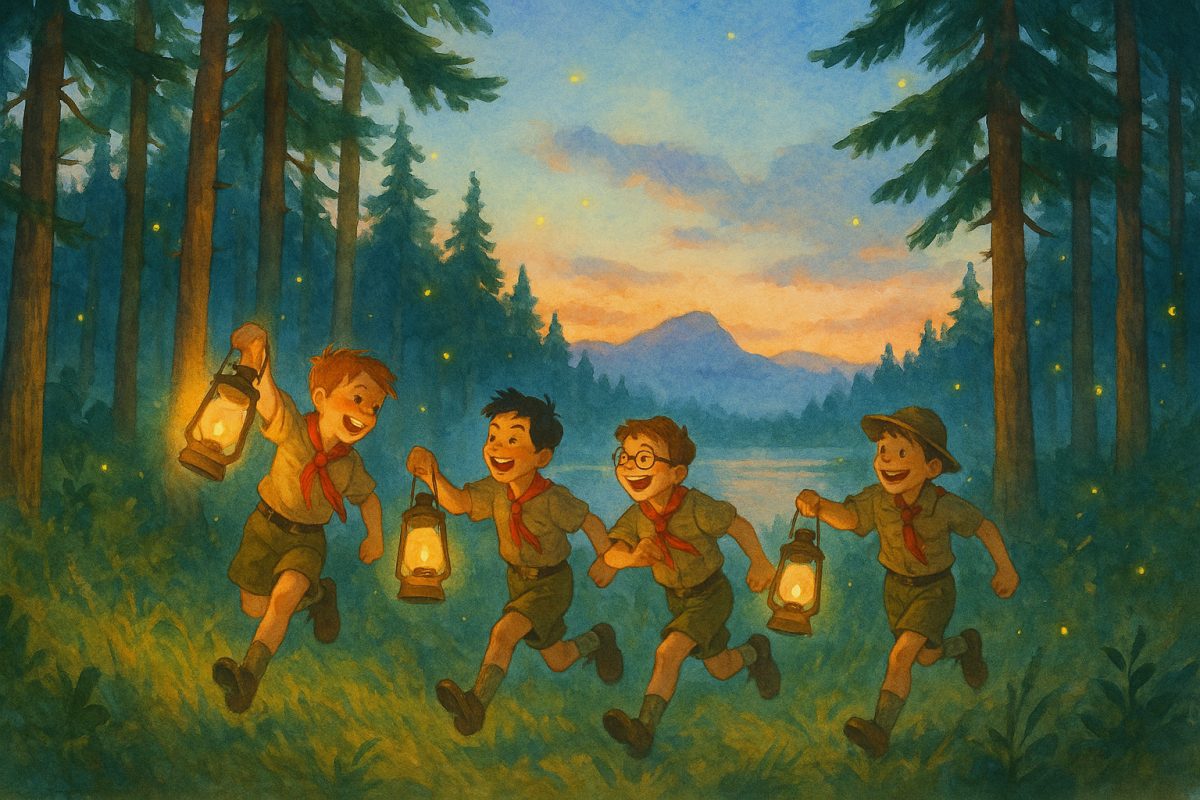
Camp involves much more than tents and trails. It is a place where Scouts come together, share challenges, and build friendships that can last a lifetime. One of the best ways to help your patrol become a tight-knit team is through games designed for fun, laughter, and teamwork.
This article will guide you through the top camp games that bring patrols closer, boost communication, and create memories you will talk about long after camp ends. Whether you are a Scout leader or a patrol member, you will find practical ideas and tips to make your next campout more connected and enjoyable.
Why Patrol Bonding Matters at Camp
Camp provides the perfect environment for patrol members to move beyond surface-level interactions and build genuine connections. When Scouts share meals, tackle challenges, and laugh together away from the distractions of home, they develop the trust and communication skills that make their patrol truly effective. These bonds enhance camp enjoyment while also laying the foundation for leadership and teamwork throughout the Scouting journey.
Research consistently shows that unplugged group activities at camp lead to improved social skills, increased happiness, and stronger peer relationships compared to typical school environments. Without phones and screens competing for attention, Scouts naturally engage more deeply with each other. They learn to read body language, practice active listening, and develop the patience needed for real collaboration.
Strong patrol bonds transform the entire camp experience from a collection of individual activities into a shared adventure. When patrol members genuinely care about each other’s success, they’re more likely to encourage a struggling Scout, share equipment without being asked, and work together to solve problems. This creates a positive cycle where everyone feels valued and supported, leading to higher participation and better outcomes in all camp activities.
Games and structured activities play a crucial role in building these connections because they create shared experiences and common ground. A Scout who might feel shy during regular conversations often opens up during a team challenge or group game. These activities give every patrol member a chance to contribute something unique, whether it’s creative problem-solving, physical coordination, or simply keeping everyone’s spirits up.
The Role of Games in Team Building
Effective team-building games work because they require genuine cooperation rather than individual performance. Unlike competitive sports where one person can dominate, the best patrol bonding activities are designed so that success depends on everyone working together. This levels the playing field and ensures that quieter or less athletic Scouts have meaningful ways to contribute.
Games also provide a safe space for Scouts to practice leadership skills without the pressure of formal positions or high-stakes situations. During a group challenge, different patrol members naturally step up to organize, encourage, or suggest solutions. These organic leadership moments help Scouts discover their strengths and build confidence in their abilities.
The most effective patrol bonding games share several key characteristics: they require communication, they have clear but achievable goals, and they create opportunities for both success and gentle failure. When a patrol struggles with a challenge and then figures it out together, they experience the satisfaction of overcoming obstacles as a team. This shared accomplishment builds trust and creates positive memories that strengthen their bond long after camp ends.
Supportive adult leaders play a critical role in making these activities successful. They set the tone by emphasizing cooperation over competition, celebrating creative solutions, and ensuring that every Scout feels included. When leaders model good sportsmanship and focus on effort rather than results, Scouts feel more comfortable taking risks and supporting each other.
The following video demonstrates how simple team-building activities can create powerful bonding experiences for Scout patrols:
The video demonstrates the Helium Stick team-building activity, where Scouts line up in two rows and try to lower a lightweight pole to the ground using only their index fingers. Although it looks simple, the stick often rises instead of lowering because everyone pushes upward. The challenge requires complete cooperation, focus, and coordination among all participants. By succeeding, Scouts gain both a sense of accomplishment and valuable practice in teamwork.
Top Camp Games for Patrol Bonding
The right games can transform a group of individual Scouts into a tight-knit patrol that works together like a well-oiled machine. These six proven activities create the shared experiences and trust that turn strangers into teammates. Each game targets specific aspects of teamwork while keeping everyone engaged and having fun.
1. Human Knot
Everyone stands in a circle and grabs hands with two different people who aren’t directly next to them. The group then works together to untangle the knot without letting go of hands. This classic game builds trust, communication, and creative problem-solving skills that directly transfer to real patrol challenges.
The beauty of Human Knot lies in its simplicity and the way it forces Scouts to communicate clearly under pressure. Some groups will need to step over arms, duck under connections, or rotate around each other. The key is that everyone must work together and no one can solve it alone.
2. Moon Ball
Teams work together to keep a lightweight ball (like a beach ball) in the air as long as possible without letting it touch the ground. This game encourages teamwork, quick reactions, and plenty of laughter as Scouts dive and stretch to keep the ball airborne.
Add challenge by counting consecutive hits, requiring each person to touch the ball before anyone can touch it twice, or introducing multiple balls. The constant movement and shared goal create natural opportunities for Scouts to support each other and celebrate small victories together.
3. Hit the Can
Set up cans or targets scattered around a large area, then have patrols take turns trying to knock them down with soft balls or beanbags. Rotate roles between throwers, retrievers, and scorekeepers to give everyone different responsibilities. This game builds friendly competition while teaching Scouts to support teammates in different roles.
The scoring system can be as simple or complex as your group needs. Consider giving different point values to targets based on difficulty, or creating team challenges where patrols must hit specific combinations of targets.
4. Scavenger Hunt
Create a list of items or clues hidden around your camp area, then send patrols out to solve riddles and find everything on the list. This activity promotes teamwork, problem-solving, and exploration while encouraging Scouts to use their observation skills and work together under time pressure.
The most effective scavenger hunts combine physical items (“Find a pinecone with exactly 8 scales”) with knowledge challenges (“What’s the name of the knot used to start most lashings?”) and creative tasks (“Take a patrol photo that shows all four points of the Scout Law”).
5. Interpatrol Tug of War
Teams face off in the classic tug of war using a rope with a clear center marker. Set up tournament brackets to keep everyone engaged, and rotate team compositions so Scouts work with different patrol members. The simple setup and clear objective make this game perfect for building cooperation and friendly rivalry between patrols.
Consider variations like having teams switch sides mid-pull, or requiring specific formations (everyone facing the same direction, or alternating Scout positions). These modifications keep the game fresh and create new teamwork challenges.
6. All Aboard
Using a small platform like a tarp or wooden board, challenge the patrol to fit everyone on the platform without anyone touching the ground. After each successful round, make the platform smaller to build cooperation and creative thinking. This game forces Scouts to problem-solve together and support each other physically.
The progression from easy to challenging creates natural opportunities for leadership to emerge. Scouts will need to communicate, plan, and trust each other as the space gets tighter. Some groups discover creative solutions like having smaller Scouts sit on shoulders or everyone holding hands for balance.
| Game Name | Group Size | Area Needed | Key Skills Built |
|---|---|---|---|
| Human Knot | 6–12 | Small | Communication, Trust |
| Moon Ball | 6–20 | Medium | Teamwork, Coordination |
| Hit the Can | 8–20 | Large | Aim, Friendly Rivalry |
| Scavenger Hunt | 6–20 | Large | Problem-Solving, Unity |
| Tug of War | 8–20 | Large | Strength, Cooperation |
| All Aboard | 6–12 | Small | Balance, Collaboration |
These games work because they create what researchers call “positive interdependence”—situations where individual success depends on group success. When Scouts realize they can only win by helping their patrol mates succeed, they naturally start communicating better, supporting each other, and building the trust that makes strong patrols.
The most effective patrol bonding occurs when games are challenging enough to require real teamwork while remaining manageable to prevent frustration. Start with simpler versions of these activities and add complexity as your patrol develops stronger working relationships.
Making the Most of Camp Games
How to Lead Games for Patrol Bonding
Leading games effectively starts with clear communication and simple instructions. When you’re explaining a new game, break it down into bite-sized steps and demonstrate each part as you go. Avoid overwhelming your patrol with too many rules at once. Explain the basics first, then gradually add complexity as everyone becomes comfortable with the foundation.
Encouraging participation means creating an environment where every Scout feels valued, regardless of their athletic ability or confidence level. Rotate leadership roles during games so different patrol members can practice giving instructions and making decisions. This approach builds confidence across your entire patrol and prevents the same few people from always taking charge.
Use supportive language that celebrates effort and creativity, rather than focusing solely on winning. When someone makes a great attempt or comes up with a clever solution, call it out specifically. This creates a positive atmosphere where Scouts feel safe to take risks and try new approaches without fear of embarrassment.
Try ending each game with a brief group reflection. Ask what worked well and what could be done differently next time. This simple practice helps Scouts connect the game experience to real-life teamwork situations. The mechanical foundation of improvement demands moving past “we tried hard” to focus on specific actions that led to success or failure. If your patrol struggled with communication during a game, identify exactly when and how that happened—then practice those specific skills.
Tips for Success
Balance is crucial when planning your game lineup. Mix active games that get everyone moving with thinking games that challenge problem-solving skills. This keeps energy levels manageable and ensures different personality types can shine at different moments. Some Scouts excel at physical challenges while others prefer strategy-based activities.
Adapt games to fit your patrol size and available space rather than forcing a square peg into a round hole. A game designed for 12 people can become frustrating with only 6 participants, but simple modifications can make it work perfectly. Similarly, use your camp’s natural features creatively—trees become boundaries, logs become balance beams, and clearings become perfect circles for group activities.
The most successful patrol games focus on fun and connection over pure competition. While a little friendly rivalry can motivate participation, the real goal is building relationships and practicing teamwork skills that transfer to other Scouting activities. When Scouts associate games with positive experiences and personal growth, they become more willing to step up as leaders in other situations.
Watching experienced leaders demonstrate these principles in action can provide valuable insights for your own game leadership. The video below shows practical techniques for engaging patrol members and adapting activities on the fly.
The video introduces Sky High, a fun team-building activity used as an inter-patrol competition that requires minimal preparation and works well indoors. Scouts are challenged to build a tall structure together using limited materials like paper, encouraging creativity and collaboration. As they work, patrol members must negotiate, problem-solve, and adapt strategies, turning the activity into both a bonding experience and a playful competition.
Why These Games Work: The Science of Camp Bonding
The magic behind patrol bonding games combines fun and laughter with real science. Research shows that shared challenges and playful activities create the perfect conditions for building empathy and trust among group members. When Scouts work together to solve a problem or compete as a team, their brains release oxytocin, often called the “bonding hormone,” which strengthens social connections and increases feelings of trust.
Games create positive emotions that help Scouts form stronger peer connections than they would through regular conversation alone. Studies on group game programs demonstrate that structured play increases positive social behaviors, improves self-concept, and enhances both verbal and creative problem-solving skills. When your patrol laughs together during a silly relay race or celebrates a teammate’s creative solution, those positive emotions become linked to the group itself.
The combination of supportive leadership and structured activities creates what psychologists call “psychological safety”—an environment where Scouts feel comfortable taking risks, making mistakes, and being themselves. This safety net is crucial for developing social skills, increasing overall well-being, and building the confidence to help others. Research on social skills groups confirms that well-planned group activities enhance communication abilities, empathy, and collaborative problem-solving through games and role-play.
What makes camp games particularly powerful is their ability to level the playing field. During a trust fall or team puzzle, the quiet Scout might emerge as a natural leader, while the usual patrol leader learns to follow someone else’s guidance. These role reversals help Scouts see each other in new ways and build respect based on different strengths and contributions. The Scout who’s always prepared with extra rope becomes invaluable during outdoor challenges, while the creative thinker shines during strategy games.
The benefits extend far beyond camp itself. Adolescent social bonding research shows that learning to build social connections during the teenage years provides critical opportunities for identity formation and developing lasting social support networks. When Scouts practice cooperation, communication, and conflict resolution through games, they’re building skills that will serve them in school, work, and future relationships.
The key insight here connects to a fundamental truth about social interaction: being useful is the foundation of earning respect and trust within any group. In patrol games, usefulness might mean being the Scout who remembers all the rules, helps struggling teammates, or suggests creative modifications when something isn’t working. The focus is on being prepared and attentive enough to contribute meaningfully when your patrol needs you most, rather than on people-pleasing.
Quick Takeaways
- Patrol bonding games are one of the most effective tools for building the trust, friendship, and teamwork that make strong patrols. These activities create shared experiences that help Scouts connect on a deeper level than regular meetings allow. When your patrol faces challenges together—whether it’s untangling a human knot or working as a team to keep a ball in the air—you’re building the foundation for real leadership and mutual support.
- Choosing the right games for your group size and available space makes all the difference. A game that works perfectly for eight Scouts in a large field might fall flat with four Scouts in a small meeting room. The key is matching your activity to your patrol’s specific situation rather than forcing a game that doesn’t fit. Scouting America’s official team building resources emphasize adapting activities to your patrol’s unique needs and environment.
- Focus on participation rather than perfection when leading these activities. The Scout who struggles with coordination but keeps trying contributes equally to the team as the natural athlete. Games work best when everyone feels included and valued, regardless of their skill level. This approach builds confidence and teaches Scouts that effort and attitude are more important than natural ability—a lesson that extends beyond camp games.
- Supportive leadership during and after games amplifies their value significantly. When patrol leaders take time to reflect on what happened during an activity, Scouts begin to see connections between the game and real-world teamwork. Research shows that structured reflection after team building activities increases their impact on social skills and group cohesion. A simple question like “What did we do well as a team?” can turn a fun game into a meaningful learning experience.
- Camp games have been proven to boost social skills and overall happiness among young people. Studies of camp environments consistently show that group activities create positive emotions and help participants form stronger peer connections. Scouts who participate in regular bonding activities develop greater willingness to help others and improved communication skills, benefits that extend beyond the game itself.
- To master patrol bonding through games, be honest about the relationship between your specific actions and the actual results. If a game isn’t building the connections you want, adjust your approach rather than repeating the same methods. The input might need to include different games, better facilitation, or more intentional follow-up discussions, rather than simply adding enthusiasm for activities that aren’t working.
Frequently Asked Questions
Q: What if my patrol is shy or new to each other?
Start with simple, low-pressure games like Human Knot or Moon Ball to break the ice and build comfort. These activities naturally require Scouts to work together without putting anyone on the spot individually. The official Scouting America patrol activities guide recommends beginning with games that focus on cooperation rather than competition when groups are still forming.
Moon Ball works particularly well because everyone shares the same goal—keeping the ball in the air—which both reduces individual pressure and encourages communication. Human Knot gets Scouts physically close in a non-threatening way, and the shared challenge of untangling creates natural laughter and conversation.
Q: How can I adapt games for Scouts with different abilities?
Modify rules, use larger equipment, or pair Scouts up so everyone can participate and contribute. The key is making adjustments before the game starts, as this helps maintain flow and prevents anyone from feeling singled out. Consider using softer balls, shorter distances, or allowing multiple attempts when physical skills are involved.
Partnering systems work exceptionally well—pair a Scout who struggles with mobility with someone who can assist, or team up Scouts with different strengths so they complement each other. Many successful troops have found that these adaptations often make games more fun for everyone, not just those who need accommodations.
Q: How many games should we play in a camp session?
Two to four games is usually enough to keep energy high and allow for meaningful bonding without fatigue. Research from Scouting organizations shows that 10-15 minute activities work best for maintaining engagement, which means a 45-60 minute session can comfortably fit three games with brief discussions between each one.
Plan for shorter games early in the session when energy is high, and save longer, more strategic activities for when the group has warmed up. Always have one backup game ready in case something finishes faster than expected or doesn’t work with your specific group dynamics.
Q: What if a game does not go as planned?
Stay flexible, keep a positive attitude, and use the experience as a chance to learn and grow together. Even experienced leaders encounter games that fall flat—maybe the rules are confusing, the space isn’t right, or the group just isn’t connecting with the activity. The U.S. Scouting Service Project emphasizes that how you handle these moments teaches Scouts valuable lessons about adaptability and problem-solving.
When a game isn’t working, pause and ask the patrol what they think might help. Sometimes a simple rule change or different approach can save the activity. Other times, it’s better to switch to something else entirely. Remember that Scouts learn as much from watching you handle unexpected challenges as they do from the games themselves.