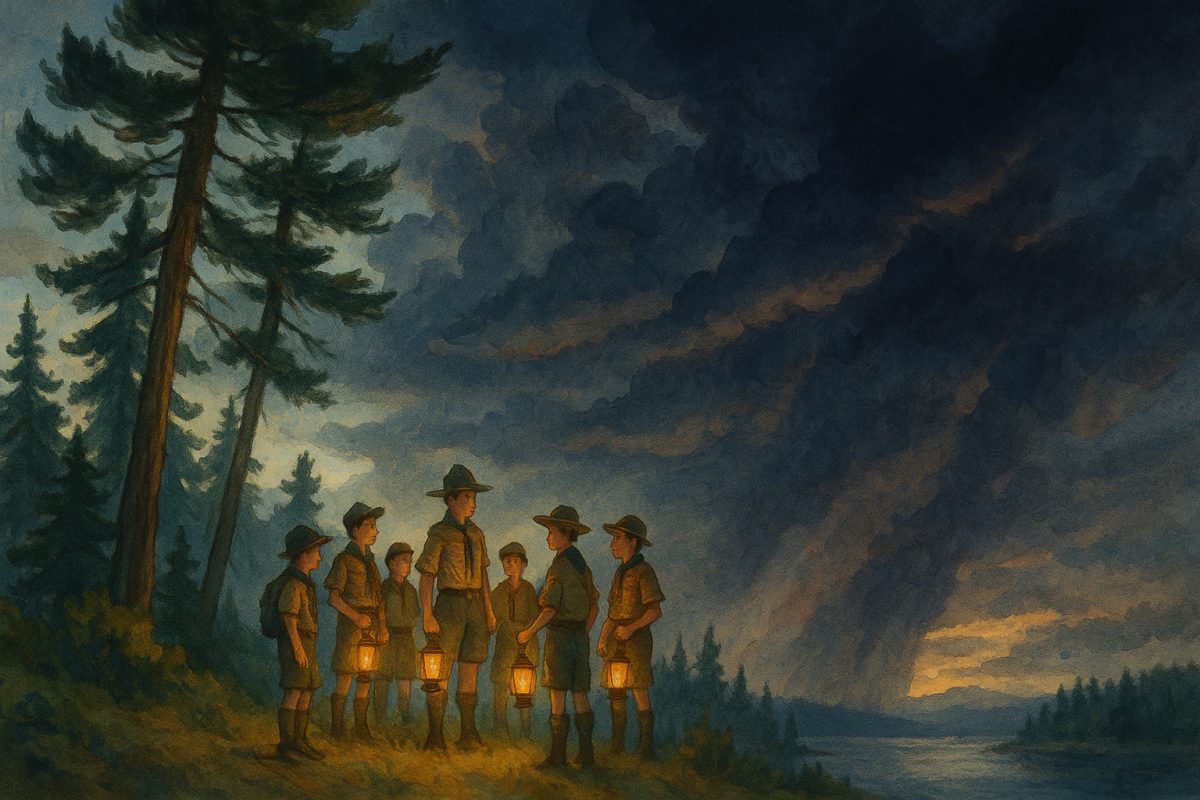
Scouts are known for being ready to help when it matters most. Learning how to handle emergencies is a skill that can make a difference for yourself, your family, and your community. In this guide, you will discover the top emergency scenarios Scouts should be prepared for, along with practical ways to plan, respond, and support others during tough situations.
We will explore the most common emergencies you might face, break down what you need to know for each one, and share expert insights that will help you stay calm and take action. Whether you are working on your Emergency Preparedness merit badge or want to be a reliable friend in a crisis, this article will walk you through the essential steps to readiness.
Understanding Emergency Preparedness
Emergency preparedness for Scouts means developing the mindset, skills, and systems to respond effectively when unexpected situations arise. The goal is to build the confidence that comes from knowledge and consistent practice. The Emergency Preparedness Merit Badge teaches Scouts that being prepared involves understanding what can go wrong, having a plan to address it, and practicing that plan until it becomes second nature.
At its core, emergency preparedness combines three essential elements: planning, practice, and recovery. Planning means identifying potential risks in your area, whether that’s severe weather, fires, or medical emergencies, and creating specific response strategies. Practice involves regularly rehearsing these responses until they become automatic. Recovery focuses on what happens after an emergency, including how to restore normal operations and learn from what occurred.
Emergency preparedness training builds real-world skills that extend far beyond crisis situations. When you learn to assess risks, make quick decisions under pressure, and coordinate with others during drills, you’re developing leadership capabilities that apply to school projects, sports teams, and future careers. The research shows that Scouts trained in emergency preparedness often perform better in drills and remain calmer under stress.
Scouts serve as natural stabilizers and mental first responders within their peer groups and families. Your training gives you the knowledge to recognize when someone is panicking and the skills to help them focus on productive actions. During actual emergencies, you become the person others look to for direction and reassurance. This responsibility requires both technical competence and emotional maturity.
Keep a personal emergency logbook to track drills, supply checks, and lessons learned. Record what worked well during practice sessions, what didn’t, and specific improvements to make next time. For example, if your family’s fire drill took too long because someone couldn’t find their shoes, note that shoes should be stored by the exit door. This approach is similar to how professional responders refine their procedures.
The logbook also helps you spot patterns and gaps in your readiness. You might discover that your emergency radio batteries die faster in cold weather, or that certain family members consistently struggle with specific procedures. Paying attention to the relationship between your specific preparation actions and actual results during drills will make you genuinely prepared rather than just going through the motions.
Emergency preparedness training teaches you to think systematically about cause and effect. If your emergency kit is missing critical supplies during a drill, the fix is not simply checking supplies more often. Create a clear schedule and checklist to keep them ready. If your evacuation route is blocked during practice, identify and practice alternate routes.
Your role as a Scout extends beyond personal preparedness to community leadership. The five aspects of emergency preparedness taught in Scouting emphasize that prepared individuals strengthen their entire community’s resilience. When you understand emergency procedures and can remain calm during crisis situations, you become someone who helps others stay calm and take the right actions.
This foundation in emergency preparedness directly supports your path to Eagle Scout by demonstrating the leadership qualities the rank represents. Eagle Scouts are expected to be the people others can depend on when things go wrong. Your emergency preparedness training proves you can assess situations clearly, make sound decisions under pressure, and take responsibility for others’ safety and well-being.
The Top Emergency Scenarios Every Scout Should Know
Every Scout should understand the most common emergencies they might face and know exactly how to respond. The Emergency Preparedness merit badge requirements emphasize that being prepared means understanding prevention, protection, mitigation, response, and recovery for each type of emergency. This systematic approach helps you think through scenarios before they happen and respond effectively when they do.
Fires (Home, Wildfire, and Campfire)
Fires remain one of the most dangerous emergencies Scouts encounter, whether at home, in the wilderness, or around camp. House fires can spread incredibly fast. You may have less than two minutes to escape safely once smoke alarms sound. The most common causes include cooking accidents, electrical problems, heating equipment malfunctions, and smoking materials.
Warning signs of potential fire hazards include the smell of gas or burning materials, sparks from electrical outlets, overheated appliances, and improper storage of flammable materials. Every Scout should know their home’s evacuation routes and practice them regularly with their family. Identify two ways out of every room, designate a meeting place outside, and ensure everyone knows to stay low and feel doors before opening them.
Fire extinguisher basics follow the PASS method: Pull the pin, Aim at the base of the fire, Squeeze the handle, and Sweep from side to side. Only attempt to fight small fires. Anything larger than a wastebasket requires immediate evacuation and calling 911. For burns, cool the area with running water for 10-20 minutes and seek medical attention for anything larger than a quarter or deeper than the skin surface.
Severe Weather Events
Severe weather is one of the most dangerous natural threats, claiming more lives each year than any other disaster type in the U.S. Tornadoes, hurricanes, thunderstorms, floods, earthquakes, and avalanches each require specific response strategies that can mean the difference between safety and serious injury.
Tornadoes develop rapidly and can produce winds exceeding 200 mph. When tornado warnings are issued, move immediately to the lowest floor of a sturdy building, away from windows, and protect your head and neck. If caught outdoors, lie flat in a low area like a ditch and cover your head. Never try to outrun a tornado in a vehicle.
Flash floods can occur with little warning, especially in desert areas and near streams. Six inches of moving water can knock you down, and two feet can carry away a vehicle. Remember the National Weather Service rule: “Turn Around, Don’t Drown.” Never attempt to walk or drive through flooded areas. Move to higher ground immediately when flood warnings are issued.
Earthquakes require the “Drop, Cover, and Hold On” response. Drop to your hands and knees, take cover under a sturdy desk or table, and hold on until shaking stops. If no table is available, cover your head and neck with your arms and stay away from windows, mirrors, and heavy objects that could fall.
| Scenario | Key Actions | Supplies Needed |
|---|---|---|
| Fire | Evacuate, call 911, meet at safe spot | Fire extinguisher, mask |
| Flood | Move to higher ground, avoid water | Water, flashlight |
| Earthquake | Drop, cover, hold on | First aid kit, whistle |
| Tornado/Hurricane | Shelter in place, protect head | Radio, helmet |
Weather alerts come through multiple channels including NOAA Weather Radio, emergency alert systems, and smartphone apps. Understanding the difference between watches (conditions are favorable) and warnings (the event is happening or imminent) helps you respond with appropriate urgency. Sign up for local emergency alerts and keep a weather radio with backup batteries in your emergency kit.
The following video demonstrates proper evacuation and sheltering techniques that every Scout should practice:
This Emergency Preparedness Merit Badge video covers the five essential aspects of emergency management: prevention, protection, mitigation, response, and recovery (1:16). The instructor explains how to create family emergency plans and teaches the importance of involving your entire family in preparedness activities (3:30). Key definitions help Scouts understand each phase of emergency management, from preventing incidents to recovering afterward (3:40-8:10).
Medical Emergencies
Medical emergencies can happen anywhere, and your quick response can save lives while waiting for professional help to arrive. The most common injuries Scouts encounter include cuts, fractures, shock, and allergic reactions. Each requires specific first aid techniques that every Scout should master through hands-on practice.
For severe bleeding, apply direct pressure with a clean cloth and elevate the injury above the heart if possible. If bleeding doesn’t stop with direct pressure, apply pressure to arterial pressure points and consider using a tourniquet for life-threatening limb bleeding. Never remove objects embedded in wounds. Stabilize them in place and seek immediate medical attention.
Fractures require immobilization before moving the person. Support the injured area above and below the break, and use splints made from available materials like hiking poles, magazines, or sturdy sticks. Signs of shock include pale, cool, clammy skin, rapid weak pulse, and altered mental state. Treat by elevating legs, maintaining body temperature, and providing reassurance.
CPR and rescue breathing save lives when someone’s heart stops or they stop breathing. The current guidelines emphasize continuous chest compressions at least 2 inches deep and 100-120 compressions per minute for adults. If you’re not trained in rescue breathing, hands-only CPR is still highly effective and better than doing nothing.
Allergic reactions range from mild skin irritation to life-threatening anaphylaxis. Severe reactions can cause airway swelling, difficulty breathing, and shock within minutes. If someone has an epinephrine auto-injector (EpiPen), help them use it immediately and call 911. Even if symptoms improve, they need professional medical evaluation.
Accidents in the Outdoors
Outdoor activities present unique emergency challenges due to remote locations, weather exposure, and limited communication options. Mountain and backcountry accidents often involve falls, hypothermia, dehydration, and getting lost, situations where self-rescue skills become critical.
When someone is injured in a remote area, assess the scene for ongoing dangers before approaching. The general rule is to treat life-threatening injuries first, then stabilize other injuries before attempting evacuation. If the person cannot walk out, you may need to send for help while others stay with the injured person.
Water accidents require immediate action since drowning can occur in less than 20 seconds. Always remember “Reach, Throw, Row, Go.” Try to reach the person with a stick or rope, throw a flotation device, use a boat if available, and only enter the water as a last resort. Cold water increases drowning risk due to cold shock response and hypothermia.
When someone goes missing outdoors, establish a last known position and begin systematic searching. Use the whistle signal of three sharp blasts repeated every few minutes. This is the universal distress signal. Mark areas you’ve searched and maintain communication with other searchers to avoid duplicating efforts.
Signaling for rescue requires visible and audible methods that work in various conditions. Ground-to-air emergency signals include large X (need medical help), I (need medical supplies), and arrows pointing toward your location. Mirror signals, bright clothing, and smoke from fires can attract attention from aircraft.
Hazardous Materials and Unusual Events
Hazardous material emergencies can happen anywhere, from household chemical spills to industrial accidents affecting entire communities. Understanding basic response principles helps protect you and others while professional hazmat teams handle the situation.
Gas leaks in homes or buildings create explosion and poisoning risks. If you smell gas, don’t use electrical switches, phones, or create any sparks. Evacuate immediately and call the gas company from outside. Natural gas is lighter than air and rises, while propane is heavier and settles in low areas.
Chemical spills and toxic releases require immediate evacuation from the affected area. Move upwind and uphill from the spill if possible, since many hazardous vapors are heavier than air and flow downhill. Listen for emergency broadcasts that will provide specific evacuation routes and shelter locations.
Nuclear power plant emergencies are rare but require understanding of radiation protection principles. The three key factors are time (limit exposure duration), distance (get as far away as possible), and shielding (put dense materials between you and the source). Follow official evacuation orders immediately and take potassium iodide only if directed by authorities.
Violence or threats in public places demand situational awareness and quick decision-making. The “Run, Hide, Fight” protocol prioritizes escaping if possible, hiding if escape isn’t safe, and fighting only as a last resort. Trust your instincts about dangerous situations and don’t hesitate to alert authorities about suspicious behavior.
Practice using your emergency supplies in realistic drills.To master emergency response, pay attention to the results your practice creates. For example, try setting up your emergency shelter in the dark or with gloves on. If you can’t do it smoothly, your practice method must change, not the amount of practice time.
The key to emergency preparedness is moving beyond theoretical knowledge to practical skills you can execute under stress. Regular practice with your family and troop builds the muscle memory and confidence needed when real emergencies occur. Remember that your role as a Scout includes being a stabilizing presence for others during crisis situations.
Building Your Emergency Kits and Plans
Being prepared means having the correct supplies stored in the right places and a clear plan for how to use them. Emergency preparedness requires both individual readiness and coordinated family and troop response systems. The Emergency Preparedness Merit Badge teaches Scouts to think systematically about these challenges, building skills that serve them throughout their lives.
Personal Emergency Service Pack Essentials
Your personal emergency pack should be compact enough to grab quickly but comprehensive enough to sustain you for at least 72 hours. The key is selecting items that serve multiple purposes and can function reliably under stress. Start with the basics: water purification tablets or a portable filter, high-energy food bars that won’t spoil, a first aid kit tailored to common injuries, and a reliable flashlight with extra batteries.
Signaling equipment deserves special attention in your personal kit. A whistle can be heard much farther than your voice and requires no battery power. Include a small mirror for daytime signaling and glow sticks for nighttime visibility. These simple tools can mean the difference between being found quickly and spending days waiting for rescue.
Document protection often gets overlooked but proves critical during real emergencies. Store copies of your ID, insurance cards, emergency contacts, and medical information in a waterproof bag. Include cash in small bills. Electronic payment systems often fail during disasters. The Ready.gov emergency kit guidelines recommend keeping these documents updated every six months.
Family Emergency Kit Checklist
Family emergency planning requires coordination between multiple people with different needs and schedules. Your family kit should support everyone for at least three days without outside assistance. Calculate one gallon of water per person per day, plus additional water for pets. Store water in multiple containers rather than relying on a single large container that could break or become contaminated.
Food storage requires balancing nutrition, shelf life, and preparation requirements. Choose items that need no cooking or refrigeration: canned goods with pull-top lids, dried fruits and nuts, granola bars, and peanut butter. Include a manual can opener so you can still open food during power outages. Electric models become useless without electricity. Rotate food supplies every six months to maintain freshness.
Medical supplies should reflect your family’s specific health needs. Beyond basic first aid supplies, include prescription medications, glasses or contact lenses, and any medical devices family members require. The American Red Cross recommends maintaining a 30-day supply of essential medications.
| Item | Purpose | Where to Store |
|---|---|---|
| First aid kit | Treat injuries | Home, backpack |
| Water (1 gal/person/day) | Hydration | Home, car |
| Flashlight & batteries | Light in outage | Home, kit, car |
| Whistle | Signal for help | Backpack, kit |
| Copies of documents | ID and contacts | Waterproof bag |
Creating a Family Emergency Meeting Place and Communication Plan
Communication planning becomes critical when family members are scattered across different locations during an emergency. Establish two meeting places: one near your home for sudden emergencies like fires, and another outside your neighborhood for larger disasters. Choose locations everyone knows well and can reach by multiple routes.
Designate an out-of-state contact person who can coordinate information between family members. Local phone lines often become overloaded during emergencies, but long-distance calls may still work. Make sure every family member has this contact’s phone number memorized, not just stored in their phone. Practice calling this person during family drills.
Modern communication tools offer additional options but shouldn’t replace basic planning. Text messages often get through when calls fail, since they use less network space. Social media can help coordinate with extended family and friends. However, always assume electronic communication will fail and have analog backup plans ready.
The following video demonstrates practical techniques for assembling a comprehensive Scout emergency kit, showing how each component serves multiple survival functions:
This demonstration covers waterproof match preparation (2:29), compact fishing and trapping supplies (3:01), and improvised tool creation like converting a cotter pin into functional tweezers (4:28). The video emphasizes resourcefulness and multi-use items that maximize utility while minimizing weight and space.
Troop Mobilization Plans and Roles
Troop emergency response requires clear leadership structures and defined responsibilities. When disasters strike, Scouts often serve as valuable community resources, but only when properly organized and supervised. Your troop’s mobilization plan should identify specific roles for different patrol leaders, establish communication protocols with adult leaders, and define the scope of services your troop can safely provide.
Develop a phone tree or digital communication system that can quickly reach all troop members and their families. Include backup contacts for each Scout in case primary numbers don’t work. Test this system regularly during normal troop meetings. Don’t wait for an actual emergency to discover communication gaps. The Emergency Preparedness Merit Badge requirements specifically call for creating written mobilization plans.
Coordinate with local emergency management agencies to understand how Scout troops can best support community response efforts. Many communities have established protocols for volunteer organizations during disasters. Troops should not respond directly to emergency scenes without first coordinating with professional responders. Focus on support roles like shelter assistance, supply distribution, and communication support.
Teaching Emergency Planning to Others
Sharing emergency preparedness knowledge multiplies your impact and reinforces your own learning. Teaching others forces you to think through concepts more deeply and identify gaps in your own understanding. Start with younger Scouts in your troop, helping them build their first emergency kits and understand basic response procedures.
Family education often proves more challenging than teaching other Scouts. Adults may resist advice from teenagers, even when that advice comes from solid Scouting training. Approach family education as a collaborative process rather than lecturing. Suggest family emergency drills as fun activities, and let your preparedness speak through your actions rather than your words.
Community education opportunities exist through schools, religious organizations, and civic groups. Many communities welcome Scout presentations on emergency preparedness, especially when focused on practical demonstrations rather than theoretical discussions. Remember that effective teaching shows people how to succeed rather than just explaining what they should do. Discipline means returning to your plan when things don’t go as expected and continuing to help others learn.
The ScoutSmarts Emergency Preparedness guide provides additional resources for Scouts working through these requirements, including detailed checklists and planning templates that support both individual and family preparedness efforts.
Practicing and Improving Your Readiness
Regular practice transforms emergency knowledge into automatic responses that work under pressure. According to the Emergency Preparedness Merit Badge pamphlet, participating in practice drills helps you be prepared when real emergencies happen. The difference between knowing what to do and actually doing it correctly comes down to repetition.
Home drills should happen at least twice a year, covering different scenarios like fire evacuation, severe weather, and power outages. Set up realistic practice sessions where family members respond to different emergency signals without advance warning. Time how long it takes everyone to reach your designated meeting spot, and note any obstacles or confusion that slow you down. These home drills reveal gaps in your plan that you’d never notice just by reading through it.
School and troop drills serve different purposes but follow the same principle. At school, you’re practicing coordinated responses with large groups under adult supervision. In your troop, you’re building leadership skills while helping younger Scouts learn proper procedures. Take these opportunities seriously, even when other people treat them like jokes. The muscle memory you build during routine drills becomes invaluable when stress levels spike during real emergencies.
Reviewing and updating your emergency plans should happen every six months, or whenever your family situation changes significantly. FEMA research shows that families who regularly practice and update their emergency plans respond more effectively during actual disasters. Check that contact information remains current, meeting locations are still accessible, and emergency supplies haven’t expired or been used.
Community service during emergencies gives you real-world experience while helping others who need it most. Many troops participate in disaster relief efforts, from sandbagging during floods to helping with evacuation shelters. These experiences teach you how emergency systems actually work, what challenges arise that nobody planned for, and how to stay calm when things don’t go according to the manual.
Learning from real events means paying attention to what worked and what didn’t, both in your own responses and in the broader community response. When your area experiences severe weather, power outages, or other emergencies, take notes on how your family’s plan performed. Did you have enough supplies? Were your communication methods effective? Did everyone know what to do without being told?
After any drill or real emergency, hold a quick reflection session with your troop or family to discuss what went well and what could improve. This builds confidence and teamwork while creating a feedback loop that makes your next response even better. Ask specific questions: “What took longer than expected?” “What supplies did we wish we had?” “How could we communicate more clearly next time?”
| Drill Type | Frequency | Key Focus Areas |
|---|---|---|
| Home Fire Evacuation | Every 6 months | Speed, meeting point, escape routes |
| Severe Weather | Seasonal | Safe locations, communication, supplies |
| Troop Emergency Response | Monthly | Leadership roles, coordination, first aid |
The most effective way to improve your readiness is to make emergency preparedness a regular part of your routine rather than something you think about only during disasters. Treat each drill as an opportunity to build competence and confidence. When you approach practice with this mindset, you develop the kind of automatic responses that work when it really matters.
Quick Takeaways
- Scouts who train for emergencies are significantly more likely to have supplies, plans, and skills ready when they need them most. According to FEMA’s National Preparedness Report, households that participate in regular emergency preparedness activities are 40% more likely to maintain updated emergency supplies and have actionable response plans. Having a kit in your closet is not enough. Regular practice builds the muscle memory and confidence that kicks in during real emergencies.
- Practicing different emergency scenarios builds the calm, quick thinking that separates prepared Scouts from panicked bystanders. Ready.gov’s youth preparedness research shows that teens who participate in regular emergency drills demonstrate measurably better decision-making under pressure. When you’ve walked through a fire evacuation plan five times, your brain doesn’t freeze up when the smoke alarm actually goes off.
- Emergency kits and plans should be reviewed and updated at least twice a year. The CDC’s Public Health Emergency Preparedness guidelines recommend six-month intervals because that’s how long most emergency supplies maintain peak effectiveness. Batteries lose charge, medications expire, and family situations change. Your emergency plan from January might not work in July if someone moved away for college or your family got a new pet.
- Teaching others about preparedness multiplies your impact far beyond what you can accomplish alone. Youth disaster preparedness research demonstrates that when one young person learns emergency skills and shares them with family and friends, preparedness knowledge spreads to an average of 4-6 additional people. This ripple effect means your emergency preparedness training doesn’t just protect you. It strengthens your entire community’s ability to respond when disasters strike.
Frequently Asked Questions About Emergency Preparedness
What are the most common emergencies Scouts should prepare for?
Fires, severe weather, medical emergencies, outdoor accidents, and hazardous material incidents are the top priorities that every Scout should train for. According to the Emergency Preparedness Merit Badge pamphlet, these five categories cover the vast majority of situations where your preparedness training will make a real difference.
Fires can happen anywhere, from kitchen accidents at home to wildfires during camping trips. Severe weather includes tornadoes, hurricanes, flash floods, and winter storms that can strike with little warning. Medical emergencies range from cuts and sprains during outdoor activities to more serious situations like allergic reactions or heat exhaustion. Outdoor accidents often involve falls, equipment failures, or getting lost on the trail. Hazardous material incidents might include chemical spills, gas leaks, or contaminated water sources.
The key is understanding that each type of emergency requires specific knowledge and different response techniques. A fire evacuation plan looks nothing like sheltering in place during a tornado, and treating a broken bone requires completely different skills than responding to a chemical spill.
How often should I check my emergency kit?
Check and update your emergency kit every six months, or immediately after any use. The National Weather Service recommends this timeline because food, water, medications, and batteries all have expiration dates that can sneak up on you.
Set reminders on your phone for March and September, right when daylight saving time changes. This makes it easy to remember and creates a natural rhythm. During each check, replace expired food and water, test your flashlights and radios, update important documents, and make sure clothing still fits if you’re storing extra clothes for family members.
After using any supplies from your kit, restock them immediately rather than waiting for your next scheduled check. Your emergency kit is only as reliable as its weakest component, and that expired energy bar or dead battery could be the difference between staying safe and facing real danger.
What is the best way to practice emergency skills?
Regular drills with your family and troop, combined with reviewing real-life scenarios and learning from them, are the most effective training methods. The Emergency Preparedness Merit Badge emphasizes that practice must be specific and realistic to build the muscle memory you’ll need under pressure.
Start with simple drills at home. Practice your fire escape route, test your severe weather shelter plan, and run through basic first aid scenarios. Time these drills and note what works smoothly versus what feels clunky or confusing. The purpose of practice is identifying and solving problems before an emergency happens.
With your troop, practice emergency scenarios during camping trips and meetings. Set up realistic situations where Scouts must respond to simulated injuries, equipment failures, or weather emergencies. The best training programs include surprise elements that test your ability to think clearly under unexpected pressure.
Study real emergency situations from news reports or case studies. Ask yourself: What went right? What went wrong? How would I have responded differently? This analysis builds the pattern recognition that helps you stay calm and make smart decisions when facing an actual emergency.
Why do Scouts focus on emergency preparedness?
Preparedness builds confidence, saves lives, and helps Scouts support their communities in times of need. The Scout motto “Be Prepared” reflects an approach to leadership that recognizes your responsibility to yourself and others.
When you’re trained and equipped for emergencies, you become a stabilizing force during chaotic situations. While others might panic or freeze, your preparation allows you to assess the situation calmly and take effective action. This confidence comes from knowing what to do through training and repetition.
Emergency preparedness also connects directly to the Scout Law’s call to be helpful and trustworthy. Communities depend on trained individuals who can assist during disasters, provide first aid when needed, and help coordinate response efforts. Many Eagle Scouts report that their emergency preparedness training proved invaluable during real-world situations, from helping at car accidents to assisting during natural disasters.
The skills you develop through emergency preparedness training, such as clear thinking under pressure, systematic problem-solving, and calm leadership, transfer to every other area of life. Whether you’re facing a genuine emergency or just a stressful situation at school or work, the mental frameworks you build through preparedness training will serve you well.
Finally, emergency preparedness teaches you to think beyond yourself. When you’re prepared, you can help your family, friends, and community members who might not have the same training or resources. This service mindset is at the heart of Scouting and represents the kind of leadership that makes a real difference in the world.