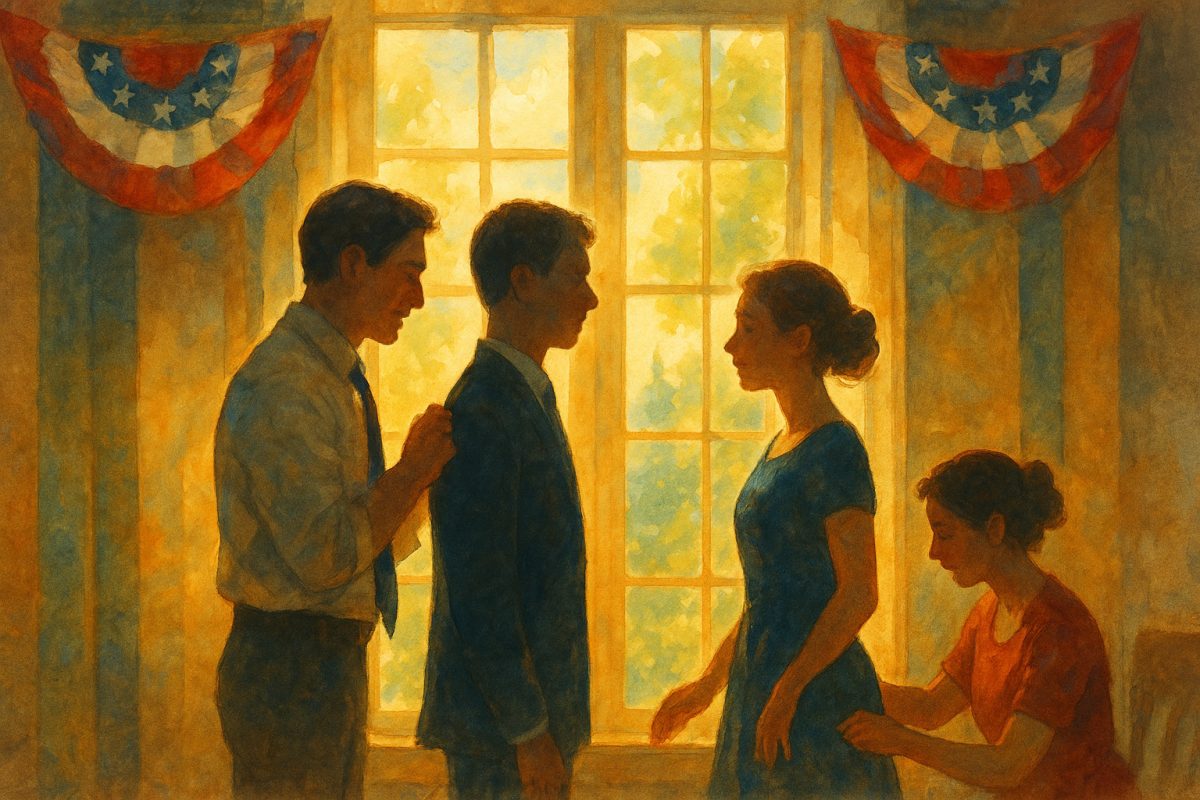
Celebrating your child’s achievement at their Eagle Court of Honor is a proud and meaningful moment. As a parent, you’ll want to honor the occasion by dressing in a way that matches the ceremony’s importance and helps everything run smoothly. Knowing what to wear can make you feel more comfortable and prepared for the special day.
This article will walk you through the best attire choices for mothers and fathers, explain why certain clothing details matter, and share practical tips so you can participate confidently in the ceremony. You’ll also find answers to common questions and helpful takeaways to make sure you’re ready for this milestone event.
Understanding the Eagle Court of Honor
The Eagle Court of Honor is a formal ceremony that celebrates a Scout’s highest achievement. This ceremony marks the culmination of years of dedication, leadership, and service—making it one of the most significant moments in a young person’s Scouting journey. The event often takes place in a church, community hall, or other meaningful location, and includes traditions like the presentation of the Eagle badge, special speeches, and a reception.
Parents play a key role in the ceremony, sometimes presenting pins or neckerchiefs, which is why your attire matters for both appearance and function. During the ceremony, you may be called forward to pin the Eagle Scout badge on your son or daughter, present the Eagle Scout parent pins, or participate in other meaningful traditions. The physical act of pinning requires careful consideration of your clothing choices to ensure the ceremony flows smoothly.
The ceremony typically follows a structured format that includes an opening with the Pledge of Allegiance, presentation of colors, the formal presentation of the Eagle Scout award, and the Eagle Scout charge. The charge provides a solemn opportunity for an adult leader, often an Eagle Scout, to highlight the lifelong responsibilities of the new Eagle Scout. Understanding this format helps you prepare for your role and appreciate the ceremony’s significance.
To better understand the full scope of an Eagle Court of Honor ceremony and see examples of parent participation, I recommend watching this helpful overview video below.
An Eagle Scout Court of Honor is a formal ceremony recognizing a Scout’s highest achievement. The event includes an opening, pledge, presentation of colors, and the awarding of the Eagle badge, often with parent, mentor, and guest participation. A special Eagle Scout Charge reminds the new Eagle of their lifelong duties, followed by a closing and a celebratory reception with family and friends.
Why Dress Matters
Your attire choice directly impacts both the ceremony’s dignity and your practical ability to participate. Dressing appropriately for an Eagle Court of Honor honors both your Scout’s achievement and the tradition of Scouting excellence. The ceremony represents years of hard work, leadership development, and community service, and your appearance should honor that significance.
Both the practical and symbolic aspects are equally important. During the pinning ceremony, you’ll need to handle small pins and badges while potentially standing in front of an audience. Clothing with proper structure and accessibility makes these moments smoother and more meaningful. A dress or suit with lapels provides the ideal surface for pinning ceremonies, while also maintaining the formal appearance the occasion deserves.
Showing respect for Scouting traditions through your attire sets a positive example for other families and demonstrates your understanding of the ceremony’s importance. Your thoughtful preparation shows your Scout—and everyone present—that you recognize this achievement as a defining moment worthy of your best effort. This attention to detail reflects the same values your Scout has learned throughout their journey to Eagle: preparation, respect, and excellence in all endeavors.
What Mothers Should Wear
Choosing the right attire for your Scout’s Eagle Court of Honor ceremony shows respect for this momentous achievement while ensuring you’re prepared for your role in the ceremony. The key is selecting semi-formal clothing that looks appropriate for the occasion while being functional for pinning awards or presenting items to your Scout.
Your outfit choice directly impacts how smoothly the ceremony flows, especially during the traditional pinning moments. Many Eagle ceremonies include a special segment where mothers pin the Eagle Scout pin or present the Eagle neckerchief to their Scout. This means your clothing needs to accommodate these meaningful traditions without creating awkward moments or wardrobe malfunctions.
Attire Recommendations
A dress or suit with lapels makes the ideal choice for Eagle Court of Honor ceremonies. The lapels provide a natural, secure surface for pinning awards and make the ceremony logistics much smoother. This traditional approach has worked well for countless Eagle families because it combines elegance with practicality.
A blouse with a collar offers another excellent option that maintains the semi-formal appearance while providing the structure needed for pinning. The collar creates a professional look that photographs well and gives you confidence during this special moment. Choose fabrics that won’t wrinkle easily if you need to lean forward or move during the ceremony.
Comfortable, semi-formal shoes are essential since you’ll likely be standing for extended periods during the ceremony and reception. Many Eagle Courts of Honor last 60-90 minutes, followed by a reception where you’ll be greeting guests and celebrating with your Scout. Your feet will thank you for choosing comfort over fashion extremes.
Avoid strapless or sleeveless tops that may make pinning awkward or create wardrobe concerns during the ceremony. These styles can shift during movement and make it difficult to securely attach pins or badges. The ceremony should highlight your Scout’s achievement rather than concern itself with clothing adjustments or wardrobe stability.
Accessories
Simple jewelry works best for Eagle Court of Honor ceremonies. Choose pieces that won’t interfere with pinning ceremonies or catch on Scout neckerchiefs and badges during hugs and congratulations. Long necklaces, dangling earrings, or bulky bracelets can create complications during the meaningful moments of the ceremony.
Consider bringing a scarf or light jacket if the venue tends to run cool. Many ceremonies take place in churches, community centers, or meeting halls that may have variable temperatures. Having a layer you can add or remove helps you stay comfortable throughout the entire event.
A small safety pin or piece of double-sided tape tucked in your purse can be a ceremony-saver if your outfit shifts or the Eagle pin needs extra support during the pinning moment. This simple preparation shows the same attention to detail that helped your Scout reach Eagle rank. These little backup items have saved many pinning ceremonies from becoming awkward fumbling moments.
Remember that this ceremony celebrates years of your Scout’s hard work and dedication. Your thoughtful attention to appropriate attire demonstrates the same values of preparation and respect that Scouting has taught your family. The goal is looking polished and feeling confident so you can fully focus on celebrating this incredible milestone with your Eagle Scout.
What Fathers Should Wear
Choosing the right attire for your son’s Eagle Scout ceremony shows respect for the achievement and helps create the formal atmosphere these milestone events deserve. Your clothing choice directly impacts how smoothly the ceremony runs, especially during the pinning portion where your Scout will attach awards to your outfit.
The gold standard for fathers is a suit and tie, which provides the appropriate level of formality for such a significant occasion. If you don’t own a full suit, a sport coat or blazer with dress pants, paired with a collared dress shirt and tie, meets the ceremony’s expectations. The key elements are structured shoulders with lapels and a proper collar—both make it much easier for your Scout to pin awards during the ceremony.
Attire Recommendations
A well-fitted suit creates the ideal foundation for the ceremony. Choose a dark or neutral color like navy, charcoal, or black, which photographs well and maintains focus on your Scout’s achievement. Wear a dress shirt with a traditional collar, avoiding casual button-downs or polos that don’t provide the structure needed for pinning awards.
Dress shoes complete the professional look and show respect for the formality of the occasion. Leather oxfords or loafers in black or brown work perfectly. Avoid sneakers, casual boots, or sandals, which can detract from the ceremony’s significance.
Your tie serves both style and practical purposes during the ceremony. A tie tack or tie clip helps keep everything in place when your Scout pins awards on your lapel. Choose a conservative pattern or solid color that won’t compete with your Scout’s uniform or any awards being presented.
When to Wear a Scout Uniform
If you’re a registered and active leader in your son’s troop, wearing your full Scout uniform is appropriate and often preferred. The Scout uniform demonstrates your ongoing commitment to the program and creates visual unity during the ceremony. Make sure your uniform is complete, properly pressed, and includes all current patches and insignia.
However, if you’re not an active, registered leader, stick with civilian semi-formal attire. Wearing a Scout uniform when you’re not currently active can create confusion about your role in the troop and may not align with uniform guidelines.
The video below provides excellent guidance on preparing both suits and Scout uniforms for formal Scouting ceremonies, covering everything from proper fit to ceremony-specific considerations.
The Troop Talk Live session explains the new Scouts BSA clothing guidelines, developed after feedback showed inconsistencies and conflicts in how attire rules were enforced for boys and girls. The updated approach shifts the focus from “appropriate” (a subjective term) to safety, respect, and inclusivity, while allowing each troop to set its own clothing policy. Leaders are encouraged to resolve concerns privately and kindly, keep conflicts away from youth, and revise troop policies regularly to reflect new needs.
Remember that your appearance reflects both on you and on your family’s respect for your Scout’s achievement. The Eagle Scout ceremony represents years of dedication and growth, and your attire should reflect that commitment. When in doubt, err on the side of being slightly overdressed rather than too casual.
Special Considerations and Ceremony Roles
The Eagle Scout Court of Honor ceremony involves active participation beyond simply sitting in the audience. Parents often play active roles in the ceremony, from pinning awards to presenting gifts, which makes your clothing choices even more important. Understanding these practical considerations will help you dress appropriately for both comfort and function.
Why Lapels and Collars Matter
Lapels and collars serve a practical purpose during the ceremony, in addition to contributing to a formal appearance. When your Scout pins the Eagle Scout parent pins on you, structured clothing with lapels makes the process much smoother and more dignified. The fabric provides a stable surface that holds pins securely without sagging or shifting.
Jackets, blazers, and collared blouses create the ideal foundation for this meaningful moment. The structured material prevents pins from pulling or creating unsightly dimples in the fabric. This attention to detail ensures the pinning ceremony flows smoothly, allowing everyone to focus on the significance of the moment rather than fumbling with loose fabric or unstable surfaces.
| Role | Recommended Attire | Notes |
|---|---|---|
| Mother | Dress/suit with lapels or collared blouse | Allows for easy pinning of awards |
| Father | Suit and tie or jacket with lapels | Tie tack or pin for badge presentation |
| Troop Leader | Full Scout uniform | Only if currently active in the troop |
Additional Practical Considerations
Comfort plays a crucial role in your ceremony experience. Choose clothing that allows you to sit comfortably for extended periods, stand gracefully when called upon, and move confidently during any presentations. Eagle Scout ceremonies typically last 60-90 minutes and involve multiple transitions between sitting and standing.
Avoid overly casual outfits like jeans, t-shirts, or sneakers, as these detract from the formal nature of the occasion. The ceremony represents years of your Scout’s hard work and dedication, and your attire should reflect the significance of this achievement. If you’re unsure about specific requirements, don’t hesitate to check with the troop leadership or review the ceremony invitation for any special requests.
Many parents find it helpful to practice moving in their chosen outfit beforehand, especially if they’ll be presenting awards or speaking during the ceremony. This simple preparation prevents any awkward moments and ensures you feel confident throughout the event. Remember, this day celebrates your Scout’s accomplishment, and your thoughtful preparation contributes to making it truly memorable.
Quick Takeaways
- Dressing appropriately for your Scout’s Eagle Court of Honor shows respect for their achievement and the ceremony’s significance. The key is balancing formal respect with practical comfort, since you’ll be sitting, standing, and moving during the event.
- For mothers, a dress or suit with lapels works perfectly, as does a collared blouse. These options make it easy for your Scout to pin awards or badges on you during the ceremony without struggling with fabric or awkward angles. The structured design of lapels and collars helps pins stay securely in place, which matters when you’re being photographed and celebrating this milestone moment.
- Fathers should aim for a suit and tie or jacket with lapels. If you’re a registered Scout leader with the troop, wearing your full Scout uniform is appropriate only when you’re actively involved in leadership. For non-leader parents, civilian semi-formal attire is the better choice and shows proper respect for the ceremony’s formality.
- Comfort and practicality deserve serious consideration when choosing your outfit. You’ll be sitting through speeches, standing for presentations, and possibly moving around for photos or reception activities. Choose clothing that makes you feel confident and comfortable, avoiding new shoes or restrictive outfits.
- Before finalizing your outfit, check with your Scout’s troop for any specific attire guidelines. Some troops have particular traditions or requests, and asking ahead of time prevents any last-minute wardrobe concerns. Most troops appreciate when families take the ceremony seriously through their appearance, and your thoughtful preparation sets a positive tone for celebrating your Scout’s remarkable achievement.
Frequently Asked Questions
Q: Can I wear casual clothes to an Eagle Court of Honor?
A: It’s best to wear semi-formal attire to honor the ceremony and your child’s achievement. Eagle Courts of Honor are significant milestone celebrations that deserve respectful dress. Consider it similar to attending a graduation or award ceremony, where your actions should reflect the importance of the moment.
Casual clothes like jeans, t-shirts, or athletic wear don’t match the formal nature of the event. Your Scout has worked years to reach this point, and dressing appropriately shows respect for their dedication and the ceremony itself.
Q: Do both parents need to dress formally if only one is participating in the ceremony?
A: Yes, both parents should dress respectfully, as you’ll likely be in photos and part of the celebration. Even if only one parent is pinning an award or giving remarks, both parents are honored guests at their child’s Eagle Court of Honor.
The ceremony often includes family photos, group pictures with the troop, and moments where both parents are recognized. You’ll want to look back on these photos with pride, knowing you dressed appropriately for such an important milestone. Plus, other families, Scout leaders, and community members will be present—it’s a community celebration of your Scout’s achievement.
Q: Should I wear my Scout uniform if I’m not a leader?
A: Only wear the uniform if you are a registered, active leader in the troop; otherwise, choose semi-formal civilian clothing. The Scout uniform is specifically for registered members of Scouting America who hold active positions. Wearing it without proper registration would be inappropriate and could cause confusion about your role in the organization.
If you’re a parent who was previously involved in Scouting but aren’t currently registered, stick with civilian attire. A nice suit, dress, or business casual outfit shows the same level of respect without overstepping uniform protocols. Save the uniform stories for your speech if you’re giving one!
Q: Are there specific colors I should avoid?
A: There are no required colors, but neutral or subdued tones are often chosen for formal events. Classic colors like navy, black, gray, or earth tones work well and won’t distract from the ceremony’s focus on your Scout.
Avoid extremely bright colors, loud patterns, or anything that might draw attention away from the Eagle Scout. The focus should be on appropriateness rather than on being boring. Aim for the attire and demeanor of a wedding guest instead of a nightclub-goer; you want to complement the ceremony, not overshadow it.
Q: What if I need to pin an award and my outfit doesn’t have lapels?
A: A collared blouse or jacket works well; if needed, bring a small safety pin to help secure the award. Many Eagle Courts of Honor include a moment where parents pin the Eagle Scout rank or other awards on their Scout. If your outfit lacks traditional lapels, there are practical solutions to consider.
A collared shirt or blouse provides a good surface for pinning. If you’re wearing something without a collar, consider bringing a small safety pin as backup, or ask the ceremony coordinator ahead of time about alternatives. Some families choose to pin awards on a sash or present them in a different way. The important thing is engaging in this meaningful moment, rather than worrying about perfect lapels.