
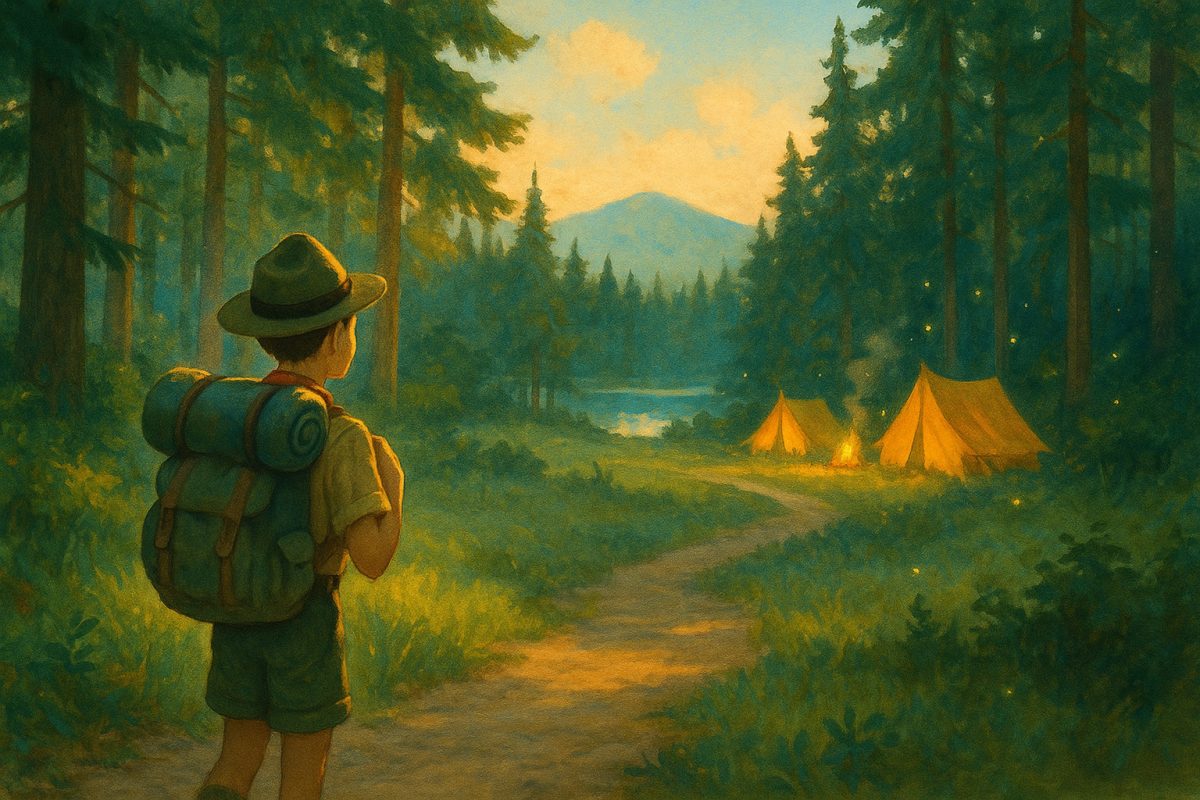
Heading off to summer camp as a first-year Scout is a big step. You might feel excited, curious, or even a little nervous about what’s ahead. The good news is that these camps are designed to help you learn, grow, and have a lot of fun, all while making new friends and building skills that last a lifetime.
This guide will walk you through what a typical week at Scout summer camp looks like for first-year Scouts. You’ll discover how the camp is set up, what kinds of activities you’ll do, and how you’ll work with others to build confidence and start your Scouting journey strong.
The First-Year Scout Experience: What Awaits You
A summer camp for first-year Scouts is built to welcome newcomers. Most camps last about a week and run a special track for new Scouts, often called the First-Year Camper Program or sometimes the Voyager Program. This track helps you feel at home, learn core Scouting skills, and start working toward early rank requirements.
You’ll join a patrol with other new Scouts, sometimes from different troops, which gives you a chance to make friends and learn teamwork. The patrol method is how you’ll discover your strengths and learn to work with others under real conditions. At some camps, your patrol may cook its own meals. You’ll plan menus, manage supplies, and cook together, gaining teamwork and outdoor cooking skills. Other camps use dining halls.
Activities are hands-on and designed to teach you important skills like knot-tying, fire building, map reading, and using tools safely. The focus stays on practical skills you can actually use, from first aid techniques that could save someone’s life to citizenship requirements that help you understand your role in your community. First-year programs usually focus on Scout, Tenderfoot, and Second Class requirements, with some opportunities for beginner merit badges depending on the camp schedule.
Adult leaders and older Scouts are always nearby to support you, answer questions, and help you succeed. These mentors understand that camp can feel overwhelming at first, so they create an environment where asking questions is encouraged and mistakes become learning opportunities.
To get a clear picture of what your week will look like, this video walks through the complete first-year Scout summer camp experience, showing daily activities, patrol life, and skill-building sessions.
This National Capital Area Council webinar covers the complete first-year Scout program structure (26:24), explains how patrol cooking builds real teamwork skills (27:00), and shows the balance between structured learning and free exploration time (33:58). The video demonstrates how camps create that crucial mix of advancement opportunities and genuine fun.
Camp programs balance structured skill sessions with plenty of free time to explore, swim, or just relax with your new patrol mates. Many camps dedicate Wednesday mornings entirely to open activities like swimming, boating, shooting sports, and trail exploration rather than formal merit badge sessions. This gives you time to process what you’ve learned and enjoy the natural setting that makes camp special.
You’ll notice that skills connect in surprising ways. That knot you learned on Monday becomes essential for the pioneering project on Thursday. The first aid training helps when a patrol mate gets a small cut during wood carving. Each skill builds on the others, creating a foundation of competence that extends far beyond your week at camp.
After each day, pause for reflection. Ask yourself simple questions: “What went well? What can I do better tomorrow?” This habit turns daily challenges into lasting growth. When you practice this reflection consistently, you’ll notice improvements in how you handle challenges, work with your patrol, and approach new skills.
The first-year program sets you up for success not just during camp week, but for your entire Scouting journey. You’ll leave camp with progress toward your next rank, new friendships that often last years, and a sense of belonging to your patrol, troop, and the Scouting community.
Daily Life and Activities at Camp
Each day at camp follows a structured rhythm designed to balance learning, adventure, and friendship. The schedule creates natural opportunities to practice new skills while building confidence in a supportive environment. Most camps organize their days around core activities that help first-year Scouts work toward rank advancement while experiencing the full scope of what Scouting offers.
Morning assembly kicks off each day with the entire camp gathering for announcements and the flag ceremony. This tradition connects you to the broader Scouting community and sets a respectful tone for the day ahead. The ceremony also provides daily updates about special activities, weather considerations, and recognition for achievements from the previous day.
Skill sessions form the backbone of the camp experience, with Scouts rotating through different stations throughout the day. These hands-on learning opportunities cover essential Scouting skills like first aid, pioneering, nature study, and citizenship. Each session is designed to be engaging and practical, with instructors who understand how to teach complex skills in manageable steps. The rotation system ensures you experience a wide variety of activities while working toward specific rank requirements.
Troop and patrol meetings provide structured time for teamwork and planning, similar to your regular troop meetings back home. During these sessions, you’ll practice leadership skills, discuss upcoming activities, and work together to solve problems. The patrol system becomes especially important at camp, as you learn to rely on your fellow Scouts and contribute to group success.
Free time offers welcome breaks from structured activities, giving you chances to swim, try archery, explore camp facilities, or simply relax with new friends. These unscheduled periods are just as valuable as formal instruction time. They allow you to process what you’ve learned, build friendships, and pursue personal interests that might spark a lifelong passion.
Evening campfires and ceremonies bring the entire camp together to share songs, stories, and achievements. These gatherings create lasting memories and reinforce the values that make Scouting special. You’ll participate in skits, learn traditional camp songs, and celebrate the accomplishments of fellow Scouts. The campfire setting naturally encourages participation and helps even shy Scouts find their voice.
| Time | Activity | Focus Area |
|---|---|---|
| 7:00 AM | Wake up & breakfast | Personal care, nutrition |
| 8:00 AM | Flag ceremony | Citizenship, respect |
| 8:30 AM | Skill session 1 | Rank requirements |
| 10:00 AM | Skill session 2 | Merit badge work |
| 11:30 AM | Troop/patrol meeting | Leadership, teamwork |
| 12:00 PM | Lunch | Nutrition, social time |
| 1:00 PM | Free time/merit badges | Personal interests |
| 3:00 PM | Skill session 3 | Outdoor skills |
| 5:00 PM | Evening assembly | Communication, planning |
| 6:00 PM | Dinner | Nutrition, fellowship |
| 7:30 PM | Campfire/ceremony | Tradition, recognition |
| 9:00 PM | Lights out | Rest, reflection |
The daily structure balances intensive learning with adequate downtime, recognizing that first-year Scouts need time to absorb new information and skills. Research from the American Camp Association shows that outdoor camp programs help build self-confidence, independence, and leadership. The key lies in finding the right inputs for each Scout’s learning style and goals.
First-year programs specifically focus on requirements for Scout, Tenderfoot, Second Class, and First Class ranks. The activities are carefully selected to introduce beginner-friendly merit badges while building foundational skills. Camps emphasize learning the basics first. These core skills become the building blocks for later advancement and leadership. This approach ensures that every Scout leaves camp with tangible progress toward their next rank and genuine confidence in their abilities.
Most camps also incorporate special theme days or unique activities that break from the standard routine. These might include camp-wide games, service projects, or visits from special guests who demonstrate advanced skills. The variety keeps the experience fresh and exciting while reinforcing the idea that Scouting offers endless opportunities for growth and adventure.
Building Skills and Confidence
First-year Scout programs are designed to help you learn the basics of Scouting in a supportive environment. These foundational skills form the backbone of everything you’ll do in Scouting, from earning your first rank to eventually working toward Eagle Scout. The structured approach at summer camp gives you hands-on practice with essential outdoor skills that many Scouts find intimidating at first.
You’ll practice map and compass use, learning to navigate without relying on your phone’s GPS. Woods tools safety covers the proper handling of knives, axes, and saws, skills that require respect and precision. Fire building and safety teaches you to create warmth and cook food while protecting the environment. First aid basics prepare you to help others in emergencies, while knot tying and lashing give you the foundation for countless outdoor projects.
The teamwork and leadership components are woven throughout every activity. You’re not just learning individual skills. You’re discovering how to work with others, communicate clearly, and take responsibility for group success. These leadership moments happen naturally when you’re helping a patrol mate tie a bowline or working together to build a camp gadget.
Many camps add overnight adventures where you might camp away from your troop, cook your own breakfast, and put your new skills to the test. On these overnights, you’ll practice new skills on your own and gain confidence by realizing you can handle challenges independently. The progression from learning a skill in the morning to using it successfully that evening creates a powerful sense of accomplishment.
These activities help you become more independent and confident, both in Scouting and in life. Research shows that about 70-85% of campers report increased confidence after summer camp, with gains in teamwork and leadership that last long after the week is over. Confidence comes from competence and from knowing you can actually perform these skills under pressure.
To master any skill, focus on the relationship between your specific actions and the actual results. If your fire won’t start, the solution isn’t trying harder with the same technique. Change your approach instead. Maybe you need drier tinder, better airflow, or a different fire lay structure. This cause-and-effect thinking applies to every Scout skill and will serve you well beyond camping.
Bring a small notebook to jot down what you learn each day. This helps you remember skills for rank advancement and makes it easier to share your experiences with your troop and family. Writing down the specific steps for each skill while it’s fresh in your memory turns camp learning into lasting knowledge. You can reference these notes months later when working on rank requirements or teaching younger Scouts.
Making Friends and Staying Engaged
Summer camp is about more than just learning skills. You’ll meet Scouts from other troops, share meals, and work together in patrols. These friendships and shared experiences are a big reason why Scouts stick with the program. In fact, Scouts who attend camp within their first three months are much more likely to stay active, with retention rates significantly higher than those who do not attend early on.
Some of the best moments happen during those everyday moments between activities. When you’re waiting in line for lunch, helping someone tie a bowline, or sitting around the campfire sharing stories about your hometown troop, you’re building connections that often last years. Many Eagle Scouts can trace their closest Scouting friendships back to their first summer camp experience.
Being useful is the best way to build respect and trust at camp. When you offer to help carry someone’s gear, share your extra batteries, or teach a knot you’ve mastered, you’re demonstrating the Scout values that create lasting friendships. A useful Scout is one who asks “How can I help?” and already has the skills to contribute meaningfully.
Patrol rotations and group activities help you feel included and valued. Your patrol becomes your camp family for the week, and rotating through different activities means you’ll work with Scouts who have different strengths and interests. Maybe you’re great at fire building but struggle with orienteering. You’ll find patrol mates who excel where you’re learning, and vice versa.
Ceremonies and campfires build a sense of belonging and accomplishment. There’s something powerful about standing with hundreds of other Scouts during opening ceremony, or earning recognition for completing a challenging activity. These shared moments create memories of teamwork and accomplishment that make camp friendships last.
Support from leaders and older Scouts makes it easier to ask questions and try new things. Don’t hesitate to approach an older Scout if you’re struggling with a skill or feeling homesick. Most have been exactly where you are and remember what it felt like to be new. Camp staff and troop leaders are also trained to help first-year Scouts feel welcome and supported.
One of the best ways to connect with other Scouts is to be genuinely curious about their experiences. Ask about their home troops, what merit badges they’re working on, or what they’re most excited about at camp. Most Scouts love talking about their Scouting adventures, and showing interest in others is one of the fastest ways to build friendships.
The video below offers practical tips from experienced campers on making friends and getting the most out of your first Scout summer camp experience:
This video emphasizes the importance of being proactive in introductions and using people’s names frequently (0:14). It also encourages reaching out to Scouts who might not know anyone at camp, since you could be the person who helps them feel welcome (0:30). The suggestion about making friendship bracelets as keepsakes (1:00) is a great way to create lasting mementos of your camp friendships.
Many Scouts arrive at camp not knowing anyone from other troops. This levels the playing field and makes it easier to form new friendships based on shared interests and experiences rather than existing social groups. The structured nature of camp activities means you’ll naturally interact with different Scouts throughout the week, giving you multiple opportunities to connect with people who share your sense of adventure.
Advancement and Next Steps
By the end of your first summer camp, you’ll have completed many of the requirements for your first ranks and maybe even started a merit badge or two. Most first-year Scout programs are specifically designed to help you knock out Tenderfoot and Second Class requirements through hands-on activities. You’ll practice knots, learn basic first aid, work on cooking skills, and complete outdoor activities that directly align with rank advancement.
The skills and friendships you build will make your next Scouting adventures even better. Summer camp creates a foundation of confidence that carries forward into your troop meetings and future outdoor activities. When you return home, you’ll find yourself more comfortable with camping gear, more willing to try new challenges, and better connected to your patrol members.
Camps are structured to help you succeed and feel proud of what you accomplish. The daily schedule balances skill-building sessions with free time, ensuring you’re not overwhelmed while still making real progress. Most camps track your advancement progress and provide documentation for your Scoutmaster to review when you return home.
If you’re nervous about any part of camp, talk to your troop leaders or older Scouts before you go. They can share specific tips about what to expect, help you practice skills you’re worried about, and connect you with other first-year Scouts who might be feeling the same way. It’s completely normal to feel nervous before camp. Even older Scouts remember feeling that way their first time. It’s important to keep going when things don’t go perfectly. A single tough moment doesn’t have to define your camp week.
To get the most out of your advancement opportunities at camp, focus on the specific inputs that create results. If you want to master knot-tying, don’t just watch demonstrations. You have to practice the physical motions repeatedly until they become automatic. The same principle applies to fire-building, cooking, and first aid skills. Focus on changing your approach, not just repeating the same effort.
Quick Takeaways
- First-year Scout summer camps are designed to welcome and support new Scouts.
- You’ll learn core Scouting skills, make friends, and build confidence.
- Daily schedules mix skill-building, fun, and free time.
- Attending camp early boosts your chances of sticking with Scouting and advancing in rank.
- Support is always available from leaders and fellow Scouts.
FAQs
How long is summer camp for first-year Scouts?
Most camps last one to two weeks, with a special program for new Scouts.
What should I bring to camp?
Your troop will provide a packing list, but essentials include clothes, sleeping gear, personal items, and a notebook.
Will I earn merit badges?
First-year programs focus on rank requirements, but some camps offer beginner merit badges too.
Is it normal to feel nervous about camp?
Yes. Many Scouts feel nervous before their first camp, and that’s normal. The camp is set up to help you feel comfortable and supported.
How do I sign up?
Talk to your Scoutmaster or troop leaders, who will guide you through the registration process.


