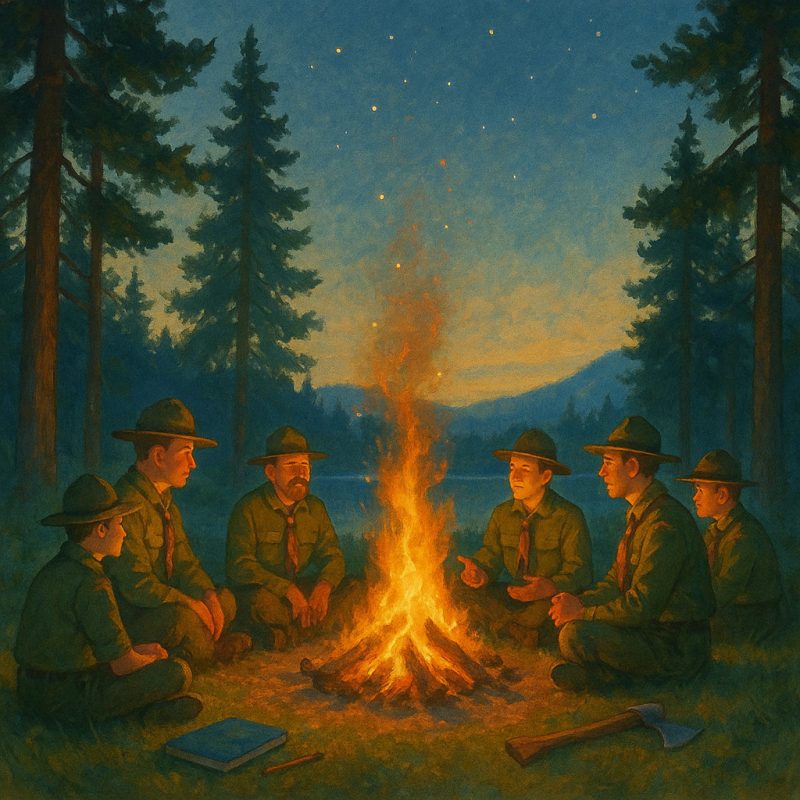
Wood Badge is the highest level of leadership training available for adult Scout leaders, designed to help you grow as a mentor and strengthen your unit. If you’re a Scoutmaster or adult volunteer looking to make a bigger impact, understanding Wood Badge can open up new ways to lead, connect, and inspire Scouts and fellow adults alike.
This article breaks down what Wood Badge is, how it works, and why it matters. You’ll learn what to expect from the course, how to qualify, and the real benefits it brings to your Scouting journey. Whether you’re considering signing up or just want to know how Wood Badge shapes leaders, you’ll find clear answers and practical insights here.
What Is Wood Badge? Purpose and History
Wood Badge is the premier leadership training program for adult volunteers in Scouting America. Created in 1919 by Lord Baden-Powell in the United Kingdom, it has grown into a global standard for developing effective, values-based leaders in Scouting. The course is grounded in the Scout Method and emphasizes teamwork, communication, and project management, all while building a deep sense of Scout Spirit.
Baden-Powell originally designed Wood Badge so that adult leaders could learn, in the most practical way possible, the skills and methods of Scouting. As he explained in 1919, one of the purposes of Wood Badge training is “to get Scouters to think about the practice of Scouting, to meet together, to exchange experiences, and to live together in the spirit of the Scout Oath.” That foundational purpose remains unchanged today.
The training gets its name from the wooden beads that participants earn upon completion, originally carved from a necklace that belonged to Dinizulu, a Zulu chief. Participants earn wooden beads as a symbol of completing the course. This tradition dates back to the original beads used by Baden-Powell and continues as a mark of dedication to Scouting leadership. Earning Wood Badge signifies your completion of the course and your commitment to applying what you’ve learned to support youth in your unit.
Modern Wood Badge training focuses on developing skilled leaders who can strengthen Scouting units in achieving the mission of Scouting America. Participants learn valuable leadership tools including active listening, effective communication, conflict management, project planning, and leading organizational change. Situational leadership is a major theme in the course. Leaders learn when to step forward and when to support others to do so.
Who Should Attend Wood Badge?
Wood Badge is designed for any adult registered with Scouting America who wants to build stronger units and communities by leading with purpose and skill. The training is particularly valuable for:
- Scoutmasters and Assistant Scoutmasters who want to enhance their troop leadership abilities
- Cub Scout, Scouts BSA, and Venturing leaders seeking advanced program-specific skills
- Committee members and adult volunteers who want to develop leadership capabilities beyond their current role
- Experienced leaders looking to refresh their approach and learn new techniques
You don’t need years of Scouting experience to benefit from Wood Badge. The course welcomes both new volunteers eager to grow their skills and seasoned leaders ready to take their impact to the next level. What matters most is your commitment to serving youth and your willingness to apply what you learn in your home unit.
The training is particularly powerful for leaders who recognize that effective youth development requires more than good intentions. It demands specific skills, proven methods, and the ability to adapt your leadership style to different situations and personalities. Wood Badge provides exactly those tools, wrapped in the time-tested framework of the Scout Method.
How Wood Badge Works: Structure and Curriculum
Wood Badge follows a proven two-phase structure that balances intensive learning with real-world application. This design ensures participants don’t just learn leadership concepts. They practice them under guidance and then implement them in their home units.
The program divides into distinct phases that build on each other. The practical course creates a foundation of shared experience and skills, while the application phase challenges participants to translate those lessons into meaningful leadership action.
| Phase | Duration | Focus |
|---|---|---|
| Practical Course | 5 days (2 weekends) | Teamwork, leadership, patrol method |
| Application (Ticket) | Up to 18 months | Real-world leadership project (ticket) |
The Practical Course Experience
The practical course takes place over two weekends at a local camp or training center. Participants join a patrol and experience the ideal Scouts BSA troop environment firsthand. During the course, participants experience the patrol method as part of a working team. This practical setup gives adults clearer insight into how youth leadership feels in action.
Activities include group challenges, leadership lessons, and outdoor skills practice. Each day builds on the previous one, with participants rotating through different leadership roles within their patrol. You’ll tackle problem-solving scenarios, practice communication techniques, and work through real leadership challenges that mirror what you’ll face in your home unit.
Mentorship from experienced troop guides provides ongoing feedback throughout the course. These guides are Wood Badge graduates who understand both the curriculum and the practical realities of implementing these skills in different Scouting environments.
The course structure intentionally mirrors a Scout troop experience. You’ll participate in opening and closing ceremonies, patrol meetings, and even camp-style meals. This immersive approach helps adult leaders understand what Scouts experience and why certain methods work so effectively.
To see what this looks like in practice, the video below provides an excellent overview of the Wood Badge experience with testimonials from past participants and footage of patrol activities in action.
This comprehensive webinar walks through the entire Wood Badge experience, from the patrol method activities to the leadership development process. Key moments include an explanation of how adults experience the patrol method firsthand (27:28), the team-building games that help patrols gel together (25:20), and how participants develop their personal leadership vision (31:01).
The Application Phase: Your Leadership Ticket
After completing the practical course, each participant creates a personal leadership plan called a “ticket.” This is a carefully designed system that forces you to identify specific leadership challenges in your unit and develop concrete solutions.
The ticket includes five projects that apply course lessons to your home unit or Scouting role. These projects must be measurable, achievable, and directly connected to improving your leadership effectiveness. Common ticket items include developing new training programs, improving communication systems, or mentoring other adult leaders.
You must complete the ticket within 18 months to earn the Wood Badge beads. This timeline provides enough flexibility to implement meaningful changes while maintaining accountability. Many participants find that the ticket work becomes some of their most impactful contributions to Scouting.
It’s important to be honest with yourself about the relationship between your specific actions and the actual results you want to achieve. If your goal is to improve youth leadership in your troop, the input isn’t just talking about leadership. It’s creating specific opportunities for Scouts to practice leadership skills and measuring whether those opportunities actually work.
Your ticket projects should address real challenges you face as a leader. The most successful tickets focus on systematic improvements rather than one-time events. For example, instead of organizing a single leadership training session, you might develop an ongoing mentorship program that pairs experienced Scouts with newer members.
The application phase includes regular check-ins with your troop guide and other course participants. This support network helps maintain momentum and provides accountability as you work through your projects. Many Wood Badge participants form lasting professional relationships during this phase that continue long after they earn their beads.
Key Leadership Skills and Themes
Wood Badge covers a blend of classic Scouting values and modern leadership practices. The curriculum is built around five central themes that form the backbone of effective leadership in any setting. These themes are practical frameworks that participants apply throughout the course and carry into their daily leadership roles.
Growing focuses on personal and professional development, helping leaders understand their own strengths and areas for improvement. This theme emphasizes continuous learning and self-reflection, encouraging leaders to seek feedback and embrace challenges as opportunities for growth.
Connecting centers on building strong teams and relationships. Participants learn how to create trust, communicate effectively across different personalities, and foster collaboration within their units. This theme recognizes that leadership isn’t a solo act. Instead, it’s about bringing people together toward common goals.
Guiding teaches leaders how to lead by example and mentor others effectively. Rather than simply giving orders, this approach shows how to inspire others through consistent actions and thoughtful guidance. Leaders learn to model the behavior they want to see in their Scouts and fellow adults.
Empowering focuses on enabling others to succeed by delegating responsibility, providing support, and creating opportunities for growth. This theme helps leaders understand when to step back and let others take the lead, building confidence and capability throughout their organization.
Living the Values emphasizes acting with integrity and Scout Spirit in all situations. This theme ties everything together, ensuring that leadership decisions align with Scouting’s core principles and ethical standards.
Core Skills Developed
The Wood Badge curriculum develops specific leadership competencies that participants can immediately apply in their Scouting roles and beyond. Team building and group dynamics training helps leaders understand how groups form, develop, and perform at their best. Participants learn to recognize different team stages and adjust their leadership style accordingly.
Communication and active listening skills receive significant attention throughout the course. Leaders practice giving clear direction, facilitating productive discussions, and truly hearing what others are saying. These skills prove essential when working with both youth and adult volunteers who bring different perspectives and communication styles.
Problem-solving and decision-making training equips leaders with structured approaches to tackle challenges. Rather than relying on gut instinct alone, participants learn frameworks for analyzing situations, considering alternatives, and making decisions that stick.
Conflict resolution skills help leaders address disagreements constructively before they escalate. The training covers techniques for mediating disputes, finding common ground, and turning conflict into opportunities for stronger relationships.
Project planning and management rounds out the core skills, giving leaders practical tools for organizing activities, managing timelines, and coordinating resources. These skills directly support the ticket phase of Wood Badge, where participants apply their learning to real-world projects.
Many leaders find the most valuable part of Wood Badge is learning how to mentor adults, not just Scouts. This skill often translates into stronger, more resilient units. The course teaches that effective mentoring isn’t about having all the answers. It’s about asking the right questions and creating space for others to discover solutions. When leaders master this approach, they build deeper bench strength in their units and create environments where both youth and adults can thrive.
Wood Badge encourages skill development through practical application. Every concept gets tested during patrol activities, leadership challenges, and group discussions. Participants don’t just learn about team dynamics. They experience them firsthand while working with their patrol to complete tasks and solve problems together.
Requirements and How to Register
To attend Wood Badge, you must meet three essential requirements that ensure you’re ready to get the most from this advanced leadership course. First, you need to be a registered member of Scouting America, age 18 or older. This means you’re actively involved in a unit and have completed your Youth Protection Training, which is required for all adult members.
Second, you must have completed basic position-specific training for your current Scouting role. If you’re a Scoutmaster, you need Scoutmaster training. If you’re a Den Leader, you need Den Leader training. This requirement exists because Wood Badge builds on the foundation of your position-specific knowledge. You can’t apply advanced leadership techniques effectively without understanding the basics of your role.
Third, you must meet BSA health and medical standards for outdoor activities. This includes submitting a current BSA Physical Examination Form, since Wood Badge involves outdoor challenges and activities. The course is designed to be physically accessible, but organizers need to know about any health considerations to ensure everyone’s safety and success.
The registration process typically opens several months before each course. Contact your local council’s training committee to get on their notification list. Most councils run Wood Badge courses once or twice per year, and they often fill up quickly. Popular courses may have waiting lists, so register early when spots become available.
Some councils require additional prerequisites beyond the national standards. These might include serving in your current position for a minimum period or completing supplemental training modules. Check with your council for any local requirements that apply to your situation.
Scholarships and Support
Many councils offer scholarships or financial aid to help cover the cost of Wood Badge. The course fee typically ranges from $200 to $400, depending on your council, and covers materials, meals, and program costs. Support may also be available from your unit, chartered organization, or even your employer who recognizes the value of leadership development.
Start by asking your council’s training committee about available scholarships. Many have dedicated funds for adult leader development, and some offer partial scholarships that can significantly reduce your out-of-pocket costs. Your unit committee or chartered organization may also contribute, especially if you can explain how your Wood Badge training will directly benefit the Scouts in your care.
Some employers offer professional development funds that can cover Wood Badge costs, particularly if you can demonstrate how the leadership skills transfer to your work environment. The course focuses on team building, communication, and project management, skills that benefit any workplace. Don’t overlook this potential source of support when exploring your funding options.
Many councils also offer payment plans that spread the cost over several months, making the course more accessible without requiring a large upfront payment. The key is to ask early about all available options rather than assuming you need to pay the full amount immediately.
What to Expect During and After Wood Badge
Wood Badge transforms how you think about leadership through six days of intensive training that goes far beyond typical Scouting courses. The experience combines outdoor challenges, team-building exercises, and leadership simulations designed to push you outside your comfort zone while building practical skills you’ll use immediately.
The Course Experience
The training unfolds through hands-on activities that mirror real leadership challenges. You’ll work through problem-solving scenarios, participate in group discussions about leadership styles, and tackle outdoor challenges that require teamwork and communication. According to Scouting America’s official Wood Badge resources, the course draws upon leadership models used by major businesses and academics to help adult leaders develop advanced skills.
One of the most valuable aspects is building friendships and networks with fellow adult leaders from different units, councils, and even states. These connections often become your go-to resources for advice, program ideas, and support long after the course ends. Many participants describe the networking as equally important as the formal training content.
You’ll gain practical tools to bring back to your unit immediately. The course covers communication strategies, project management techniques, and team dynamics that apply directly to running meetings, organizing activities, and mentoring youth leaders. ScoutSmarts notes that leaders must complete both the six-day training and a personal action plan called a “ticket” within 18 months.
Completing Your Ticket
After the course, you’ll choose five meaningful projects that align with your Scouting role. These are strategic initiatives designed to improve your unit, develop your leadership skills, or benefit the broader Scouting community. Common ticket items include training other adults, implementing new programs, or taking on expanded leadership responsibilities.
Each participant is paired with a guide who provides feedback and helps ensure projects stay on track during the 18-month ticket period. Your guide provides accountability, helps troubleshoot challenges, and offers perspective when projects need adjustment. This mentorship relationship often continues beyond Wood Badge completion.
The ticket system ensures you apply new skills directly to benefit your Scouts and unit. Rather than letting training concepts fade, you’re required to put leadership principles into practice through measurable projects. This approach creates lasting change rather than temporary enthusiasm.
To help you create and complete your Wood Badge ticket effectively, watch this step-by-step guide that covers real examples from past participants:
This video from ScouterStan breaks down the ticket structure and provides practical advice for setting achievable goals (0:39), using a calendar to track progress (1:03), and leveraging your guide’s support throughout the process (2:39). The guidance helps you avoid common pitfalls and stay on track for completion.
Recognition and Ongoing Impact
After finishing your ticket, you receive the Wood Badge beads, neckerchief, and woggle, symbols recognized worldwide as markers of advanced leadership training and commitment to Scouting. According to the Mount Baker Council, these items are “recognized around the world as a symbol of training and leadership experience.”
The experience often leads to greater confidence in your leadership abilities. Many graduates report feeling more comfortable facilitating difficult conversations, managing competing priorities, and inspiring others to take action. This confidence translates into stronger unit programs and more effective youth development.
Stronger units and renewed sense of purpose frequently follow Wood Badge completion. The systematic approach to leadership creates ripple effects throughout your Scouting involvement. Wood Badge can strengthen your unit’s teamwork and organization, especially when multiple adult leaders apply the same tools and methods.
Many Wood Badge graduates say the biggest change isn’t just in their own leadership capabilities, but in how their Scouts and fellow adults work together afterward. The leadership principles you learn create a foundation for stronger relationships and shared purpose that last long after the course ends. When you focus on the specific inputs—clear communication, consistent follow-through, and genuine investment in others’ growth—the outputs naturally improve across your entire unit.
Quick Takeaways
- Wood Badge is advanced leadership training for adult Scout leaders, focusing on teamwork, communication, and project management. This premier course from Scouting America helps registered adult volunteers develop the skills needed to strengthen their units and better serve youth members.
- The training follows a two-part structure. The course includes a practical phase and an 18-month application phase called the ticket. During the five-day practical phase (typically spread over two weekends), participants learn through hands-on activities, group discussions, and outdoor challenges. The real work begins afterward with the Wood Badge ticket, a personalized action plan containing five meaningful projects that apply course lessons directly to your Scouting role.
- Open to registered Scouting America adults who have completed basic training and meet health standards, Wood Badge welcomes leaders from all program areas. Whether you’re involved with Cub Scouts, Scouts BSA, Venturing, or Sea Scouts, the course provides tools that translate across all levels of Scouting. Participants must be current in their position-specific training and physically able to participate in outdoor activities.
- Cost shouldn’t prevent qualified leaders from attending. Scholarships and financial aid are often available through local councils, chartered organizations, or even employers who recognize the value of leadership development. Many councils offer payment plans or partial sponsorships to ensure this training reaches dedicated volunteers.
- Graduates gain new skills, confidence, and recognition as Wood Badge leaders. Upon completing both the course and ticket phases, participants receive the distinctive Wood Badge beads, neckerchief, and woggle, symbols recognized throughout the Scouting world. More importantly, they develop practical leadership abilities that benefit their units for years to come. Research from Scouting America shows that units with trained leaders demonstrate significantly better program quality, leader retention, and youth engagement.
- The course emphasizes situational leadership—understanding when to lead and when to follow based on expertise and circumstances. As one Wood Badge principle teaches, true leadership sometimes means stepping back and supporting someone with more relevant knowledge or skills. This wisdom helps create stronger, more collaborative units where every adult leader can contribute their unique strengths.
Frequently Asked Questions About Wood Badge
What is the main goal of Wood Badge?
Wood Badge aims to develop effective adult leaders who can strengthen Scouting units and communities through advanced leadership skills. The course focuses on practical leadership techniques, team dynamics, and project management that directly apply to your role as a Scout leader. You’ll learn how to motivate volunteers, run more effective meetings, and create positive change within your unit.
How long does Wood Badge take to complete?
The course consists of five days of training, typically spread over two weekends. After completing the practical training, you have up to 18 months to finish your “ticket” – a personalized leadership development plan with five specific projects. Most participants find the weekend format manageable while still maintaining their regular Scouting responsibilities.
Is Wood Badge only for Scoutmasters?
Absolutely not! Wood Badge is open to all registered adult leaders in Scouting America, including those working with Cub Scouts, Scouts BSA, Venturing, and Sea Scouts. Whether you’re a den leader, committee chair, or district volunteer, the leadership principles taught in Wood Badge apply across all Scouting programs. The course brings together leaders from different areas, creating valuable networking opportunities.
What is a Wood Badge ticket?
Your Wood Badge ticket is a personal leadership development plan containing five specific projects that apply course lessons to your current Scouting role. Each ticket item should benefit your unit, district, or council while helping you practice new leadership skills. Examples might include improving communication systems in your troop, organizing a new recruitment event, or mentoring other adult leaders. Your ticket must be approved by course staff and completed within 18 months.
Do I have to pay for Wood Badge?
Yes, there is a course fee that typically ranges from $275 to $370 depending on your council and when you register. However, scholarships and financial assistance are widely available through local councils, chartered organizations, and employers. Many councils offer scholarships covering approximately one-third of the course cost, and some units or employers will sponsor their leaders’ attendance.
What are the requirements to attend Wood Badge?
To be eligible for Wood Badge, you must be a registered adult leader with Scouting America and have completed basic training for your current position. You’ll also need a current BSA Physical Examination Form. The course is designed for leaders who want to take their skills to the next level, so having some experience in your role is helpful but not strictly required.
What happens if I can’t complete my ticket in 18 months?
If you’re unable to complete your ticket within the 18-month timeframe, you can request an extension from your council. Life circumstances sometimes interfere with ticket completion, and councils are generally understanding about reasonable requests for additional time. The key is maintaining communication with your ticket counselor and showing continued progress on your projects.
Will Wood Badge help me become a better leader in my unit?
Most Wood Badge graduates report significant improvements in their leadership effectiveness. The course teaches practical skills like conflict resolution, team building, and project management that directly translate to better meetings, stronger volunteer retention, and more successful unit activities. You’ll also gain confidence in your leadership abilities and develop a network of experienced leaders you can turn to for advice.
Can I attend Wood Badge if I’m new to Scouting?
While Wood Badge is considered advanced training, newer leaders can certainly benefit from the course. However, having at least six months to a year of experience in your current role will help you better understand how to apply the concepts you learn. If you’re brand new to Scouting, consider completing your basic training and gaining some hands-on experience first.
What makes Wood Badge different from other leadership training?
Wood Badge combines outdoor adventure with intensive leadership development in a uniquely Scouting environment. Unlike generic leadership courses, Wood Badge specifically addresses the challenges of leading volunteers, working with youth, and managing the complexities of Scouting programs. The course uses the patrol method and outdoor settings to create authentic learning experiences that mirror real Scouting situations.